
Korean Bbq Pork
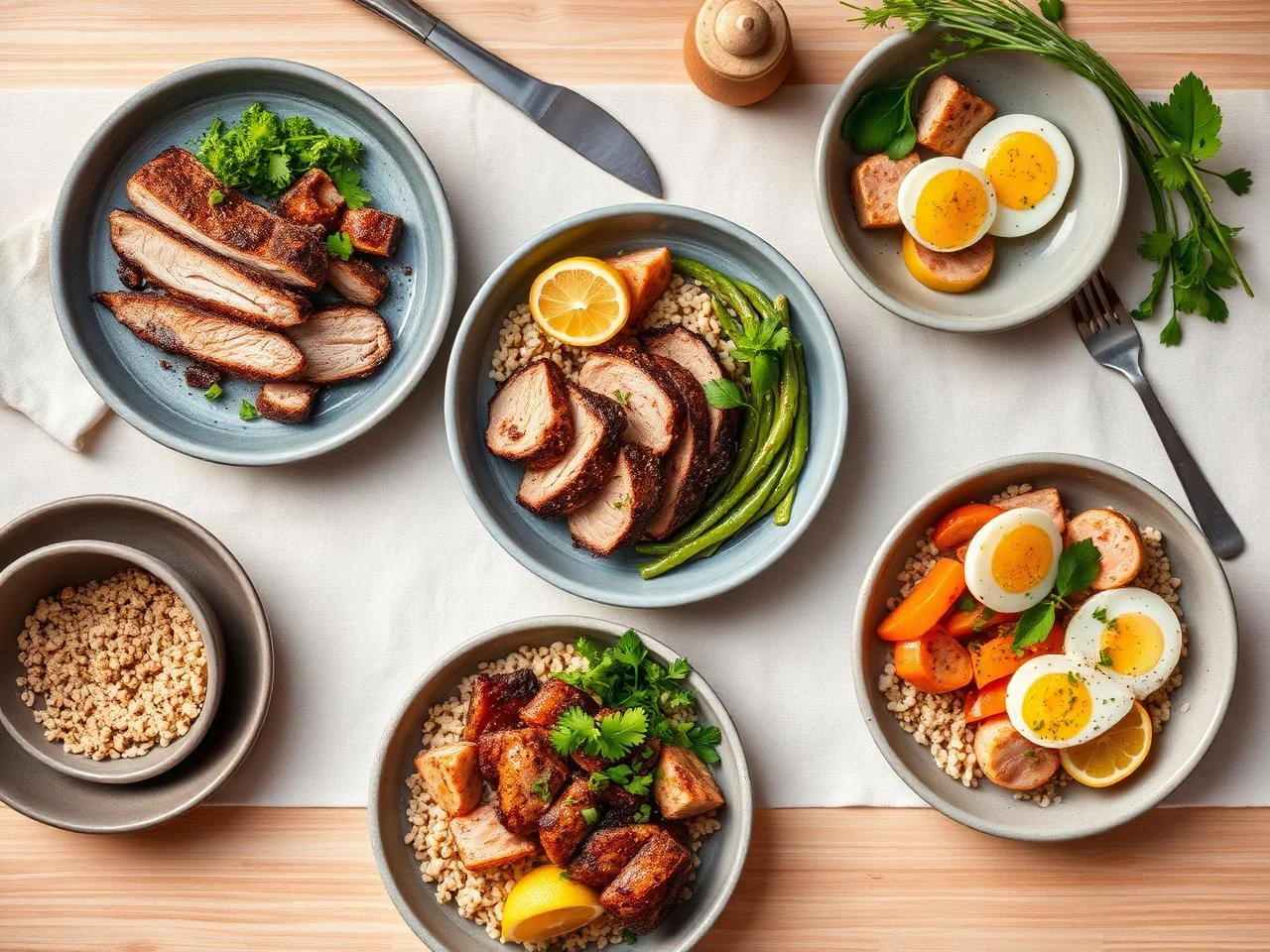
I still remember the first time I had Korean BBQ pork - the combination of sweet, spicy, and smoky flavors was like nothing I'd ever tasted before. As a competitive rower turned recipe developer, I've always been passionate about creating protein-forward meals that are both delicious and nutritious. In this recipe, I'll show you how to make Korean BBQ pork from scratch, using a simple and flavorful marinade that's perfect for a weeknight dinner or a special occasion.
The key to this recipe is the marinade, which is made with a combination of soy sauce, garlic, ginger, and gochujang (Korean chili paste). The marinade adds depth and complexity to the pork, and helps to tenderize it as it cooks. I'll also show you how to cook the pork to perfection, using a combination of high heat and careful temperature control.
One of the things I love about this recipe is its versatility. You can serve the Korean BBQ pork with a variety of sides, such as kimchi, steamed rice, or roasted vegetables. You can also use the pork in a variety of dishes, such as tacos, salads, or bowls. The possibilities are endless, and I'm excited to share this recipe with you.
In this recipe, I'll take you through the step-by-step process of making Korean BBQ pork from scratch. From the marinade to the cooking technique, I'll show you how to create a dish that's both flavorful and nutritious. So let's get started, and let's make some delicious Korean BBQ pork!
Whether you're a seasoned cook or just starting out, this recipe is perfect for anyone who loves Korean food. The ingredients are easy to find, and the instructions are simple to follow. So why not give it a try, and see what you think? I'm confident that you'll love this recipe, and that it will become a staple in your kitchen.
Why You’ll Love This Recipe
- This recipe is easy to make and requires minimal ingredients.
- The Korean BBQ pork is perfect for a weeknight dinner or a special occasion.
- The dish is versatile and can be served with a variety of sides, such as kimchi, steamed rice, or roasted vegetables.
- The recipe is protein-forward and nutritious, making it a great option for health-conscious eaters.
- The dish is flavorful and delicious, with a combination of sweet, spicy, and smoky flavors.
- The recipe is perfect for anyone who loves Korean food and wants to try something new.
Why This Recipe Works
The key to this recipe is the combination of the marinade and the cooking technique. The marinade adds flavor and tenderness to the pork, while the high heat cooking technique helps to create a crispy exterior and a juicy interior. By using a combination of soy sauce, garlic, ginger, and gochujang, we're able to create a depth of flavor that's both savory and slightly sweet.
The cooking technique is also important, as it helps to create a crispy exterior and a juicy interior. By cooking the pork at high heat for a short amount of time, we're able to create a nice sear on the outside, while keeping the inside tender and juicy. This technique is called the Maillard reaction, and it's a key component of many Korean dishes.
Another important aspect of this recipe is the use of gochujang, which is a Korean chili paste that adds a spicy and savory flavor to the dish. Gochujang is made from fermented soybeans, rice, and red pepper flakes, and it has a thick, sticky texture that's similar to miso paste. By using gochujang in the marinade, we're able to add a depth of flavor that's both spicy and slightly sweet.
Finally, the resting time is also important, as it allows the pork to relax and redistribute its juices. By letting the pork rest for a few minutes before slicing, we're able to create a dish that's both tender and juicy, with a nice balance of flavors and textures.
Ingredients You’ll Need
To make this recipe, you'll need a few key ingredients, including pork shoulder, soy sauce, garlic, ginger, and gochujang. You'll also need some brown sugar, black pepper, and sesame oil to add flavor and texture to the dish. Don't worry if you can't find gochujang at your local grocery store - you can also make your own by fermenting soybeans and red pepper flakes.
When shopping for the ingredients, be sure to choose a pork shoulder that's fresh and has a good balance of fat and lean meat. You'll also want to choose a gochujang that's made with high-quality ingredients and has a good balance of spicy and sweet flavors.
- 1 lb (450g) pork shoulder, thinly slicedChoose a pork shoulder that's fresh and has a good balance of fat and lean meat. You can also use other cuts of pork, such as pork belly or pork loin, but the shoulder is the most traditional choice for Korean BBQ.
- 1/4 cup (60g) soy sauceUse a high-quality soy sauce that's made with fermented soybeans and has a rich, savory flavor. You can also use tamari or coconut aminos as a substitute if you're gluten-free.
- 2 cloves garlic, mincedUse fresh garlic for the best flavor. You can also use garlic powder or garlic salt as a substitute, but fresh garlic is the most traditional choice for Korean BBQ.
- 1-inch (2.5cm) piece of ginger, gratedUse fresh ginger for the best flavor. You can also use ground ginger or ginger powder as a substitute, but fresh ginger is the most traditional choice for Korean BBQ.
- 2 tbsp (30g) gochujangUse a high-quality gochujang that's made with fermented soybeans and has a good balance of spicy and sweet flavors. You can also make your own gochujang by fermenting soybeans and red pepper flakes.
- 2 tbsp (30g) brown sugarUse brown sugar to add a rich, caramel-like flavor to the dish. You can also use honey or maple syrup as a substitute, but brown sugar is the most traditional choice for Korean BBQ.
- 1 tsp (5g) black pepperUse fresh black pepper for the best flavor. You can also use white pepper or green pepper as a substitute, but black pepper is the most traditional choice for Korean BBQ.
- 2 tbsp (30g) sesame oilUse sesame oil to add a nutty, slightly sweet flavor to the dish. You can also use other oils, such as vegetable oil or canola oil, but sesame oil is the most traditional choice for Korean BBQ.
- 1/4 cup (30g) chopped green onions, for garnishUse fresh green onions for the best flavor. You can also use other herbs, such as cilantro or basil, as a substitute, but green onions are the most traditional choice for Korean BBQ.
- 1/4 cup (30g) toasted sesame seeds, for garnishUse toasted sesame seeds to add a nutty, crunchy texture to the dish. You can also use other nuts or seeds, such as peanuts or sunflower seeds, as a substitute, but sesame seeds are the most traditional choice for Korean BBQ.
Equipment You’ll Need
How to Make Korean Bbq Pork
- 1In a large bowl, whisk together the soy sauce, garlic, ginger, gochujang, brown sugar, and black pepper to make the marinade.
- 2Add the sliced pork to the marinade and toss to coat. Cover the bowl with plastic wrap and refrigerate for at least 2 hours or overnight.
- 3Preheat a large skillet or wok over medium-high heat. Remove the pork from the marinade and cook for 3-4 minutes per side, or until the pork is cooked through and slightly charred.
- 4Use an instant-read thermometer to check the internal temperature of the pork. The internal temperature should be at least 145°F (63°C) for medium-rare, 160°F (71°C) for medium, and 170°F (77°C) for well-done.
- 5Once the pork is cooked, remove it from the skillet and let it rest for 5 minutes. This will allow the juices to redistribute and the pork to stay tender.
- 6While the pork is resting, add the sesame oil to the skillet and stir-fry the green onions and sesame seeds for 1-2 minutes, or until they are slightly toasted.
- 7Slice the pork into thin strips and serve with the stir-fried green onions and sesame seeds. You can also serve with kimchi, steamed rice, or roasted vegetables for a more complete meal.
- 8Garnish with additional green onions and sesame seeds, if desired. You can also serve with a side of gochujang or soy sauce for added flavor.
- 9To make the dish more substantial, you can serve the pork with a side of noodles or rice. You can also add other ingredients, such as diced vegetables or pickled ginger, to the marinade for added flavor.
- 10To make the dish more spicy, you can add more gochujang to the marinade or serve with a side of hot sauce. You can also add other spices, such as cumin or coriander, to the marinade for added depth of flavor.
- 11To make the dish more sweet, you can add more brown sugar to the marinade or serve with a side of honey or maple syrup. You can also add other ingredients, such as diced apples or pears, to the marinade for added sweetness.
Expert Tips
- Use a high-quality soy sauce that's made with fermented soybeans for the best flavor.
- Don't overcook the pork, as it can become tough and dry. Use an instant-read thermometer to check the internal temperature.
- Let the pork rest for 5 minutes before slicing to allow the juices to redistribute and the pork to stay tender.
- Use toasted sesame seeds and green onions to add a nutty, crunchy texture to the dish.
- Serve the pork with a side of kimchi, steamed rice, or roasted vegetables for a more complete meal.
- Experiment with different ingredients, such as diced vegetables or pickled ginger, to add more flavor to the marinade.
- Use gochujang to add a spicy, savory flavor to the dish. You can also make your own gochujang by fermenting soybeans and red pepper flakes.
- Don't be afraid to get creative and add your own twist to the recipe. You can try different spices, such as cumin or coriander, or add other ingredients, such as diced apples or pears, to the marinade.
Common Mistakes to Avoid
- Overcooking the pork, which can make it tough and dry.
- Not letting the pork rest for 5 minutes before slicing, which can cause the juices to run out and the pork to become dry.
- Not using a high-quality soy sauce, which can affect the flavor of the dish.
- Not toasting the sesame seeds and green onions, which can make them lose their flavor and texture.
- Not experimenting with different ingredients, such as diced vegetables or pickled ginger, to add more flavor to the marinade.
- Not using an instant-read thermometer to check the internal temperature of the pork, which can cause it to be undercooked or overcooked.
Variations and Substitutions
- Try using different cuts of pork, such as pork belly or pork loin, for a different texture and flavor.
- Add diced vegetables, such as carrots or zucchini, to the marinade for added flavor and nutrition.
- Use different spices, such as cumin or coriander, to add more depth of flavor to the dish.
- Add pickled ginger or kimchi to the marinade for a more sour and spicy flavor.
- Try using different types of oil, such as coconut oil or avocado oil, for a different flavor and texture.
- Add nuts or seeds, such as peanuts or sunflower seeds, to the marinade for added crunch and flavor.
- Use different types of sugar, such as honey or maple syrup, to add a different flavor to the dish.
What to Serve With Korean Bbq Pork
Serve the Korean BBQ pork with a variety of sides, such as kimchi, steamed rice, or roasted vegetables. You can also serve with noodles or a salad for a more complete meal.
Some other options for serving the Korean BBQ pork include:
- Kimchi: a spicy, sour Korean fermented cabbage dish that pairs perfectly with the sweet and spicy pork.
- Steamed rice: a simple and comforting side dish that helps to balance out the bold flavors of the pork.
- Roasted vegetables: such as broccoli, carrots, or Brussels sprouts, which add a nice crunch and flavor to the dish.
- Noodles: such as soba or udon, which can be stir-fried with the pork and vegetables for a quick and easy meal.
- Salad: a simple green salad or a more substantial grain salad, which can help to cut the richness of the pork.
Make-Ahead, Storage, Freezing and Reheating
To store the Korean BBQ pork, let it cool to room temperature and then refrigerate or freeze it. You can store it in an airtight container in the refrigerator for up to 3 days or freeze it for up to 2 months.
To reheat the pork, you can simply microwave it or pan-fry it with a little oil until it's heated through. You can also add it to a stir-fry or noodle dish for a quick and easy meal.
Some tips for storing and reheating the Korean BBQ pork include:
- Letting it cool to room temperature before refrigerating or freezing, which helps to prevent the growth of bacteria and keeps the pork fresh.
- Using an airtight container to store the pork, which helps to keep it fresh and prevent it from drying out.
- Reheating the pork to an internal temperature of at least 165°F (74°C), which helps to ensure that it's safe to eat.
- Adding a little oil or broth to the pork when reheating it, which helps to keep it moist and flavorful.
- Experimenting with different reheating methods, such as pan-frying or grilling, to add more texture and flavor to the dish.
Frequently Asked Questions
What is gochujang and where can I find it?
Gochujang is a Korean chili paste that's made from fermented soybeans and red pepper flakes. You can find it at most Asian markets or online. If you can't find gochujang, you can also make your own by fermenting soybeans and red pepper flakes.
Can I use different cuts of pork for this recipe?
Yes, you can use different cuts of pork for this recipe, such as pork belly or pork loin. Just keep in mind that the cooking time and temperature may vary depending on the cut of pork you use.
How do I know if the pork is cooked to a safe internal temperature?
You can use an instant-read thermometer to check the internal temperature of the pork. The internal temperature should be at least 145°F (63°C) for medium-rare, 160°F (71°C) for medium, and 170°F (77°C) for well-done.
Can I make this recipe ahead of time and refrigerate or freeze it?
Yes, you can make this recipe ahead of time and refrigerate or freeze it. Just let the pork cool to room temperature before refrigerating or freezing, and reheat it to an internal temperature of at least 165°F (74°C) before serving.
What are some other ingredients I can add to the marinade for more flavor?
You can add a variety of ingredients to the marinade for more flavor, such as diced vegetables, pickled ginger, or other spices. Just keep in mind that the flavor of the dish may change depending on the ingredients you add.
Can I serve this dish with other sides, such as noodles or a salad?
Yes, you can serve this dish with a variety of sides, such as noodles, a salad, or roasted vegetables. Just choose sides that complement the flavor of the pork and add some variety to the dish.
How do I prevent the pork from becoming tough and dry?
To prevent the pork from becoming tough and dry, make sure to not overcook it and let it rest for 5 minutes before slicing. You can also use a marinade that contains acidic ingredients, such as soy sauce or vinegar, to help tenderize the pork.
Can I use this recipe for other types of meat, such as chicken or beef?
Yes, you can use this recipe for other types of meat, such as chicken or beef. Just keep in mind that the cooking time and temperature may vary depending on the type of meat you use, and you may need to adjust the marinade and seasoning accordingly.
Ingredients
- 1 lb (450g) pork shoulder, thinly sliced
- 1/4 cup (60g) soy sauce
- 2 cloves garlic, minced
- 1-inch (2.5cm) piece of ginger, grated
- 2 tbsp (30g) gochujang
- 2 tbsp (30g) brown sugar
- 1 tsp (5g) black pepper
- 2 tbsp (30g) sesame oil
- 1/4 cup (30g) chopped green onions, for garnish
- 1/4 cup (30g) toasted sesame seeds, for garnish
Instructions
- In a large bowl, whisk together the soy sauce, garlic, ginger, gochujang, brown sugar, and black pepper to make the marinade.
- Add the sliced pork to the marinade and toss to coat. Cover the bowl with plastic wrap and refrigerate for at least 2 hours or overnight.
- Preheat a large skillet or wok over medium-high heat. Remove the pork from the marinade and cook for 3-4 minutes per side, or until the pork is cooked through and slightly charred.
- Use an instant-read thermometer to check the internal temperature of the pork. The internal temperature should be at least 145°F (63°C) for medium-rare, 160°F (71°C) for medium, and 170°F (77°C) for well-done.
- Once the pork is cooked, remove it from the skillet and let it rest for 5 minutes. This will allow the juices to redistribute and the pork to stay tender.
- While the pork is resting, add the sesame oil to the skillet and stir-fry the green onions and sesame seeds for 1-2 minutes, or until they are slightly toasted.
- Slice the pork into thin strips and serve with the stir-fried green onions and sesame seeds. You can also serve with kimchi, steamed rice, or roasted vegetables for a more complete meal.
- Garnish with additional green onions and sesame seeds, if desired. You can also serve with a side of gochujang or soy sauce for added flavor.
- To make the dish more substantial, you can serve the pork with a side of noodles or rice. You can also add other ingredients, such as diced vegetables or pickled ginger, to the marinade for added flavor.
- To make the dish more spicy, you can add more gochujang to the marinade or serve with a side of hot sauce. You can also add other spices, such as cumin or coriander, to the marinade for added depth of flavor.
- To make the dish more sweet, you can add more brown sugar to the marinade or serve with a side of honey or maple syrup. You can also add other ingredients, such as diced apples or pears, to the marinade for added sweetness.