
Boiled Eggs
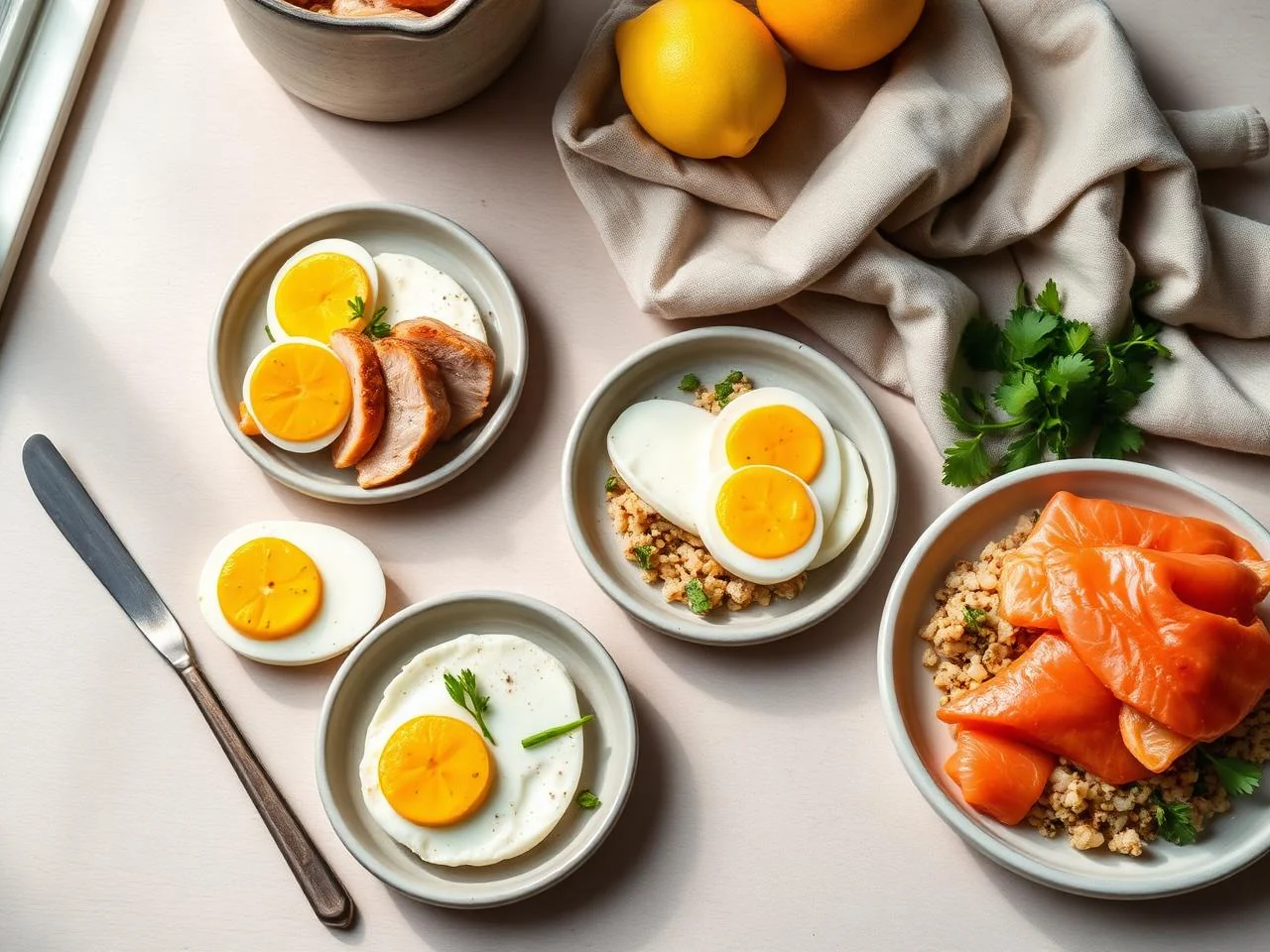
As a former competitive rower, I know the importance of fueling my body with the right foods. Boiled eggs are one of my go-to protein sources, and I'm excited to share my tips and tricks for making them perfectly every time.
I remember my first experience with boiled eggs - my mom would make them for me as a quick and easy snack before rowing practice. She'd always say, 'Tyler, boiled eggs are the perfect food - they're simple, nutritious, and delicious!' And I couldn't agree more.
But what makes boiled eggs so special? For one, they're an excellent source of protein, with about 6 grams per large egg. They're also low in calories and rich in various vitamins and minerals like vitamin D and choline. Plus, they're incredibly versatile - you can enjoy them on their own, add them to salads, or use them as a topping for other dishes.
In this recipe, we'll cover the basics of boiling eggs, including how to choose the right eggs, how to boil them to perfection, and how to store them for later use. Whether you're a busy athlete like me or just looking for a quick and easy snack, this recipe is for you.
Why You’ll Love This Recipe
- Easy to make and requires minimal ingredients
- Perfect for a quick and easy snack or breakfast
- High in protein and low in calories
- Versatile and can be used in a variety of dishes
- Can be made ahead of time and stored in the fridge for later use
- Perfect for meal prep and batch cooking
Why This Recipe Works
So, what makes this boiled egg recipe so effective? It all comes down to the technique. By using a combination of cold water and gentle heat, we can cook the eggs slowly and evenly, resulting in a perfectly cooked egg every time.
Another key factor is the use of a timer. By setting a timer for the exact amount of time needed to cook the eggs, we can ensure that they're not overcooked or undercooked. This is especially important when cooking eggs, as the difference between a perfectly cooked egg and an overcooked one can be just a few minutes.
Finally, it's all about the resting time. After cooking the eggs, it's essential to let them rest for a few minutes before peeling. This allows the eggs to cool down slightly, making them easier to peel and resulting in a more tender, easier-to-peel egg.
Ingredients You’ll Need
When it comes to boiled eggs, the ingredients are simple - just eggs and water! However, the quality of the eggs can make a big difference in the final result. Look for fresh, high-quality eggs from a reputable source, and make sure to store them in the fridge at a consistent refrigerated temperature.
In addition to eggs and water, we'll also be using a few other ingredients to enhance the flavor and texture of our boiled eggs. These include salt, vinegar, and ice - all of which play important roles in the cooking process.
- 6 large eggsFresh, high-quality eggs are essential for making great boiled eggs. Look for eggs with clean, dry shells and no visible cracks.
- 1 quart (4 cups) waterUse cold water to cook the eggs, as this will help them cook more slowly and evenly.
- 1 tablespoon saltSalt helps to season the eggs and also helps to make them easier to peel.
- 1 tablespoon white vinegarVinegar helps to make the eggs easier to peel by breaking down the bond between the egg white and the shell.
- 1 cup iceIce is used to stop the cooking process and cool down the eggs after they've been cooked.
- 1 tablespoon chopped fresh chives (optional)Chives add a fresh, oniony flavor to the eggs and can be used as a garnish.
- 1 teaspoon paprika (optional)Paprika adds a smoky, slightly sweet flavor to the eggs and can be used as a garnish.
- Salt and pepper to tasteUse salt and pepper to season the eggs to taste, adding more or less depending on your personal preference.
- 2 tablespoons lemon juice (optional)Lemon juice adds a bright, citrusy flavor to the eggs and can be used as a garnish.
- 1/4 cup chopped fresh parsley (optional)Parsley adds a fresh, herbaceous flavor to the eggs and can be used as a garnish.
Equipment You’ll Need
How to Make Boiled Eggs
- 1Place the eggs in a single layer at the bottom of a large pot or saucepan.
- 2Add enough cold water to the pot to cover the eggs by about an inch.
- 3Add the salt and vinegar to the water and stir to combine.
- 4Place the pot over high heat and bring the water to a boil.
- 5Once the water is boiling, reduce the heat to a simmer and let cook for 12-15 minutes for large eggs.
- 6While the eggs are cooking, prepare an ice bath by filling a large bowl with ice and water.
- 7After the eggs have finished cooking, immediately transfer them to the ice bath to stop the cooking process.
- 8Let the eggs sit in the ice bath for 5-10 minutes to cool down.
- 9Once the eggs have cooled, crack them gently and peel off the shells.
- 10Rinse the eggs with cold water to remove any remaining bits of shell.
- 11Pat the eggs dry with paper towels and season with salt and pepper to taste.
- 12If desired, garnish with chopped chives, paprika, lemon juice, or parsley.
- 13Serve the boiled eggs immediately, or store them in the fridge for later use.
Expert Tips
- Use older eggs for easier peeling, as the membranes between the egg white and the shell will be weaker.
- Use a steamer basket to cook the eggs, as this will help them cook more evenly and prevent them from cracking.
- Add a little bit of baking soda to the water to help the eggs peel more easily.
- Use a timer to ensure that the eggs are cooked for the correct amount of time.
- Don't overcrowd the pot, as this can cause the eggs to crack and become difficult to peel.
- Use a slotted spoon to remove the eggs from the water, as this will help prevent them from breaking.
Common Mistakes to Avoid
- Overcooking the eggs, which can cause them to become rubbery and tough.
- Not using enough water, which can cause the eggs to cook unevenly and become difficult to peel.
- Not using a timer, which can cause the eggs to be overcooked or undercooked.
- Not letting the eggs cool down after cooking, which can cause them to be difficult to peel.
- Not using the right type of eggs, which can affect the texture and flavor of the final product.
- Not storing the eggs properly, which can cause them to spoil or become unsafe to eat.
Variations and Substitutions
- Adding different seasonings or spices to the water, such as garlic or chili flakes, to give the eggs extra flavor.
- Using different types of vinegar, such as apple cider vinegar or balsamic vinegar, to give the eggs a unique flavor.
- Adding a little bit of oil to the water, such as olive oil or coconut oil, to help the eggs cook more evenly.
- Using a different type of egg, such as duck eggs or quail eggs, to create a unique and interesting flavor and texture.
- Adding a little bit of salt or sugar to the water, to help bring out the flavor of the eggs.
- Using a steamer basket to cook the eggs, which can help them cook more evenly and prevent them from cracking.
What to Serve With Boiled Eggs
Boiled eggs are a versatile ingredient that can be used in a variety of dishes, from salads and sandwiches to soups and stir-fries. They're also a great snack on their own, and can be seasoned with salt, pepper, and other spices to give them extra flavor.
Some ideas for using boiled eggs include: adding them to a green salad with mixed greens, cherry tomatoes, and a homemade vinaigrette; using them as a topping for a bowl of soup or stew; or slicing them up and adding them to a sandwich or wrap.
Make-Ahead, Storage, Freezing and Reheating
Boiled eggs can be stored in the fridge for up to a week, and can be kept at room temperature for up to a day. It's best to store them in a covered container, such as a plastic or glass container with a tight-fitting lid, to keep them fresh and prevent them from drying out.
To freeze boiled eggs, simply place them in a single layer in a freezer-safe bag or container, and store them in the freezer for up to 6 months. When you're ready to use them, simply thaw them overnight in the fridge or thaw them quickly by submerging them in cold water.
When reheating boiled eggs, it's best to use a gentle heat, such as a microwave or a toaster oven, to prevent them from becoming overcooked or rubbery. You can also reheat them in a pan of simmering water, or by wrapping them in a damp paper towel and microwaving them for a few seconds.
Frequently Asked Questions
How long do boiled eggs last in the fridge?
Boiled eggs can be stored in the fridge for up to a week. It's best to store them in a covered container, such as a plastic or glass container with a tight-fitting lid, to keep them fresh and prevent them from drying out.
Can I freeze boiled eggs?
Yes, boiled eggs can be frozen for up to 6 months. Simply place them in a single layer in a freezer-safe bag or container, and store them in the freezer.
How do I reheat boiled eggs?
Boiled eggs can be reheated using a gentle heat, such as a microwave or a toaster oven. You can also reheat them in a pan of simmering water, or by wrapping them in a damp paper towel and microwaving them for a few seconds.
Are boiled eggs healthy?
Yes, boiled eggs are a nutritious and healthy food. They're a good source of protein, vitamins, and minerals, and are low in calories and fat.
Can I use boiled eggs in recipes?
Yes, boiled eggs can be used in a variety of recipes, from salads and sandwiches to soups and stir-fries. They're a versatile ingredient that can add protein, texture, and flavor to a wide range of dishes.
How do I peel boiled eggs?
To peel boiled eggs, start by cracking them gently and rolling them between your hands to loosen the shell. Then, peel off the shell, starting at the large end of the egg. You can also use a spoon or other utensil to help loosen the shell and remove it from the egg.
Can I boil eggs in a microwave?
Yes, eggs can be boiled in a microwave, but it's not the recommended method. Microwaving eggs can cause them to cook unevenly and become overcooked or rubbery.
How do I store boiled eggs?
Boiled eggs can be stored in the fridge for up to a week, or frozen for up to 6 months. It's best to store them in a covered container, such as a plastic or glass container with a tight-fitting lid, to keep them fresh and prevent them from drying out.
Ingredients
- 6 large eggs
- 1 quart (4 cups) water
- 1 tablespoon salt
- 1 tablespoon white vinegar
- 1 cup ice
- 1 tablespoon chopped fresh chives (optional)
- 1 teaspoon paprika (optional)
- Salt and pepper to taste
- 2 tablespoons lemon juice (optional)
- 1/4 cup chopped fresh parsley (optional)
Instructions
- Place the eggs in a single layer at the bottom of a large pot or saucepan.
- Add enough cold water to the pot to cover the eggs by about an inch.
- Add the salt and vinegar to the water and stir to combine.
- Place the pot over high heat and bring the water to a boil.
- Once the water is boiling, reduce the heat to a simmer and let cook for 12-15 minutes for large eggs.
- While the eggs are cooking, prepare an ice bath by filling a large bowl with ice and water.
- After the eggs have finished cooking, immediately transfer them to the ice bath to stop the cooking process.
- Let the eggs sit in the ice bath for 5-10 minutes to cool down.
- Once the eggs have cooled, crack them gently and peel off the shells.
- Rinse the eggs with cold water to remove any remaining bits of shell.
- Pat the eggs dry with paper towels and season with salt and pepper to taste.
- If desired, garnish with chopped chives, paprika, lemon juice, or parsley.
- Serve the boiled eggs immediately, or store them in the fridge for later use.