Picture this: you’re standing in a kitchen that smells like a cozy cabin, the air thick with the buttery aroma of potatoes simmering, and your friends are already snacking on a plate of plain mash that looks like a sad gray blanket. I had just discovered that the world of mashed potatoes is a battlefield of texture and flavor, and my own culinary experiments had turned a simple dish into an arena of glorious, gooey, golden triumphs. I’d been chasing that perfect bite—soft enough to melt in your mouth, yet with a satisfying bite that makes you want to keep digging—when I finally cracked the code. The secret? A daring blend of two cheeses, a whisper of garlic, and a generous splash of cream that lifts the mash into a cloud of decadence. I dare you to taste this and not go back for seconds.
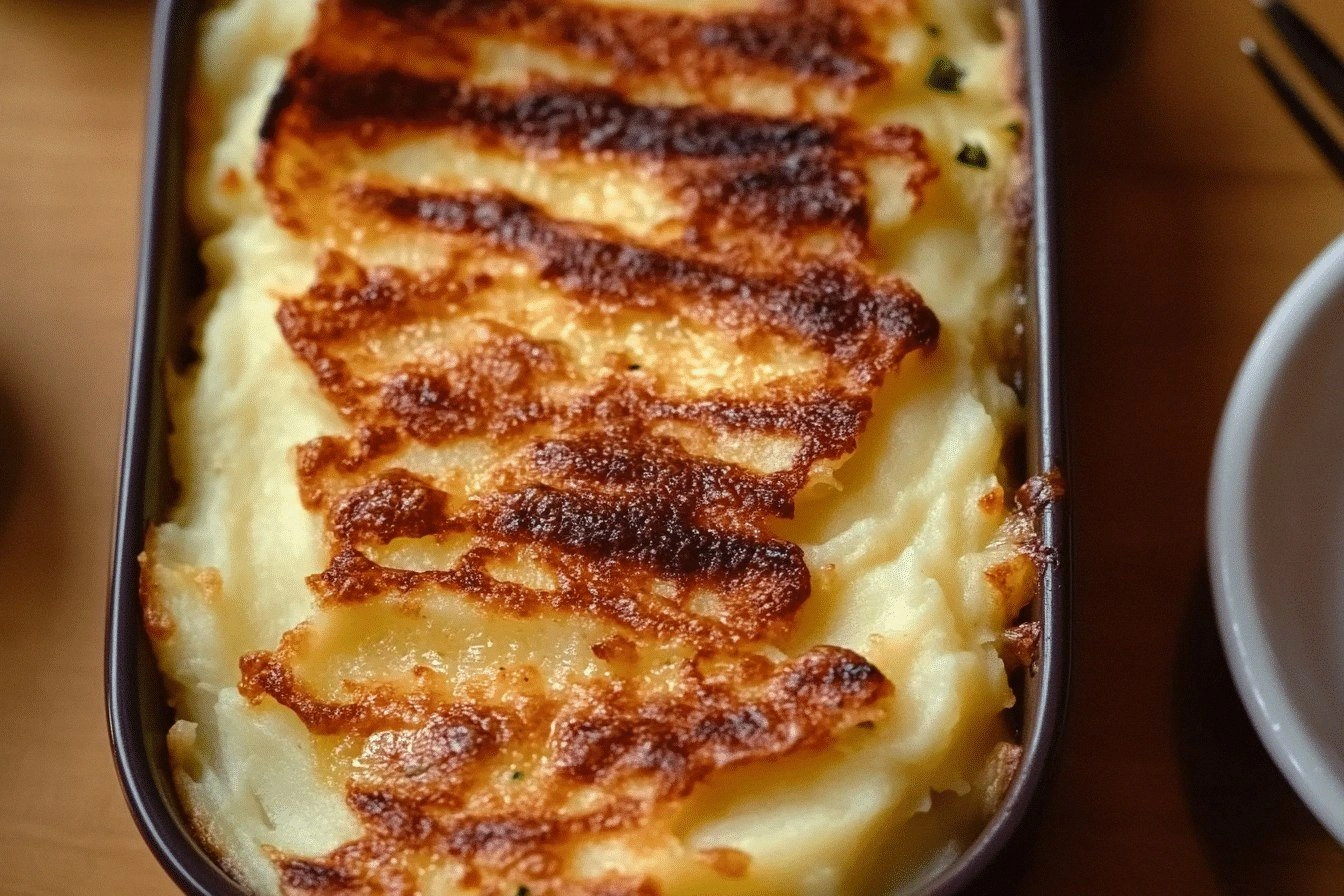
This isn’t just another side dish; it’s a performance. The first bite hits you with a velvety smoothness that coats your tongue like a satin ribbon, followed by a sharp, nutty kick from Parmesan that dances on the palate. Then, the cheddar swoops in, melting into the mash, adding depth and a hint of smoky warmth. The garlic, roasted to a subtle caramel, brings a savory backbone that keeps the dish from feeling indulgent or heavy. And the finish? A golden crust that cracks like thin ice, revealing a steaming, fragrant center that makes you wonder if you’re in a kitchen or a spa.
Most recipes get this completely wrong. They either overcook the potatoes, resulting in a dry, chalky mash, or under-season, leaving a bland, forgettable side. The trick is to balance moisture and flavor, to let each component shine without drowning the others. I’ve spent countless evenings experimenting with ratios, temperatures, and techniques, and the result is hands down the best version you’ll ever make at home. It’s a dish that turns any ordinary dinner into a celebratory feast, and it’s so simple that even a novice can master it with a few key steps.
Now, picture yourself pulling this out of the oven, the whole kitchen smelling incredible, and the table set for a gathering of friends and family. The aroma of butter and cheese mingles with the sweet, caramelized garlic, creating a scent that feels like a warm hug. The crust glistens, inviting you to break it and reveal the creamy interior. The first forkful feels like a comforting hug, and the second? Pure bliss. If you’ve ever struggled with mashed potatoes—too mushy, too dry, or lacking depth—you’re not alone, and I’ve got the fix.
Let me walk you through every single step—by the end, you'll wonder how you ever made it any other way. This recipe is a game-changer that will transform your approach to comfort food. The next part? Pure magic. And now the fun part: we’re about to dive into the ingredients that make this mash unforgettable.
What Makes This Version Stand Out
- Taste: The dual-cheese blend delivers a layered flavor profile that feels both familiar and adventurous, making it a crowd-pleaser for any gathering.
- Texture: The combination of butter, cream, and the right type of potato creates a silk‑smooth interior with a crisp, golden top.
- Simple Yet Elegant: Only eight core ingredients, but each plays a pivotal role in elevating the dish.
- Versatile: Works beautifully as a side for roasted meats, a base for shepherd’s pie, or a comforting bowl on its own.
- Make‑Ahead Friendly: You can prepare the mash ahead of time, reheat, and it still tastes fresh and creamy.
- Ingredient Quality: Using fresh, high‑quality ingredients turns a humble side into a gourmet experience.
- Visual Appeal: The golden crust and glossy interior create a dish that looks as good as it tastes.
- Time‑Efficient: From prep to finish, the entire process takes less than an hour, perfect for busy weeknights.
Alright, let's break down exactly what goes into this masterpiece...
Inside the Ingredient List
The Flavor Base
At the heart of this mash is the humble Russet potato. These potatoes are prized for their high starch content, which yields a fluffy, airy texture when mashed. If you skip them, you’ll end up with a dense, gummy mash that feels like you’re chewing on cardboard. For the best results, choose potatoes that are firm to the touch, with no green spots or sprouts, as those can introduce bitterness.
The Texture Crew
Butter is the secret weapon that gives the mash a luxurious mouthfeel. It coats each potato particle, preventing the starch from clumping and creating a silky finish. Heavy cream or milk is the second player; it adds moisture without diluting flavor. If you prefer a lighter version, substitute milk for cream, but expect a slightly less rich finish. The key is to heat the dairy gently, so it stays velvety and doesn’t scorch.
The Unexpected Star
Garlic is the unsung hero that brings depth and a subtle heat. Fresh cloves, roasted until golden, develop a caramelized sweetness that balances the richness of the cheeses. If you’re sensitive to raw garlic, simply peel and mince it finely, or use a garlic press. The aroma alone will elevate the dish from ordinary to extraordinary.
The Final Flourish
Parmesan and cheddar are the dynamic duo that finish the mash. Parmesan offers a sharp, nutty bite that crisps beautifully when baked, while cheddar melts smoothly, adding depth and a hint of smokiness. Salt and pepper are the quiet guardians that bring all flavors together; don’t underestimate their power. Fresh herbs, such as parsley or chives, are optional but add a splash of color and a burst of freshness that cuts through the richness.
Everything's prepped? Good. Let's get into the real action...
The Method — Step by Step
- Prep the Potatoes: Peel the Russet potatoes and cut them into even 1-inch cubes to ensure uniform cooking. Place the cubes in a large pot, cover with cold water, and add a pinch of salt. Bring to a rolling boil, then reduce to a gentle simmer. You’ll notice the water turning a light golden hue as the starch begins to leach out. Keep an eye on the pot; once the potatoes are fork‑tender, you’re ready for the next step.
- Roast the Garlic: While the potatoes cook, preheat your oven to 400°F (200°C). Slice the tops off a head of garlic, drizzle with olive oil, and wrap in foil. Roast for 25 minutes until the cloves are soft and caramelized. The garlic will release a sweet, mellow aroma that permeates the kitchen. Once done, let it cool slightly before squeezing the cloves out.
- Drain and Mash: Drain the potatoes in a colander and return them to the pot. Add butter, and let it melt over low heat. Use a potato masher or a ricer to break the potatoes into a smooth consistency. If you prefer an extra fluffy texture, incorporate a pinch of baking soda; it helps break down the starch further.
- Add Dairy: Warm heavy cream or milk in a small saucepan until it’s just about to steam. Pour the warm liquid into the mash gradually, stirring constantly. The warmth of the liquid helps the butter fully integrate, creating a silky, cohesive mixture. Taste and adjust the seasoning with salt and pepper.
- Blend in Cheeses: Fold in the grated Parmesan and shredded cheddar, allowing them to melt into the mash. The cheeses should coat the potatoes, creating a creamy base with a subtle nutty undertone. Keep the heat low to avoid over‑melt, which can make the mash runny.
- Transfer to Baking Dish: Line a baking dish with parchment paper or lightly grease it. Spoon the mash into the dish, spreading it evenly. The surface should be smooth and ready for the final touch.
- Top with Garlic: Spread the roasted garlic cloves over the top of the mash, pressing them gently to ensure they adhere. The garlic will add a caramelized sweetness that contrasts beautifully with the cheese.
- Bake to Perfection: Place the dish in the preheated oven and bake for 20 minutes. The top should develop a golden crust, and the edges will start pulling away, signaling that the interior is fully set. The aroma that fills the kitchen will be irresistible.
- Rest Before Serving: Remove the dish from the oven and let it rest for 5 minutes. This short pause allows the flavors to settle and the mash to firm up slightly, making it easier to slice. Serve immediately, garnished with fresh herbs if desired.
That’s it — you did it. But hold on, I've got a few more tricks that'll take this to another level...
Insider Tricks for Flawless Results
The Temperature Rule Nobody Follows
Keeping the dairy warm, but not hot, is crucial. If you add cold cream directly to hot potatoes, the mixture can curdle, resulting in a grainy texture. Warm the liquid until it’s just steaming, then stir in gradually while continuously mixing.
Why Your Nose Knows Best
The moment the garlic begins to caramelize in the oven, the kitchen will fill with a sweet, buttery scent that signals everything is on track. If the aroma is faint, the garlic may need more time or a slightly higher temperature.
The 5-Minute Rest That Changes Everything
Allowing the mash to rest after baking lets the steam redistribute, ensuring each bite is uniformly creamy. A friend once skipped this step and found the mash too wet, making it difficult to serve. Resting also lets the cheese set, creating a crisp crust that’s easier to cut.
The Salt Bridge Trick
Slightly salt the water you use to boil the potatoes. This pre‑seasoning infuses the starches with flavor from the inside out, reducing the need for heavy post‑bake seasoning. Be careful not to overdo it; you’ll still want to taste and adjust after the mash is ready.
The Cheese Layer Secret
Layer half of the Parmesan on top of the mash before baking, then sprinkle the rest after it comes out of the oven. This technique creates a thicker, crunchier crust that’s both visually appealing and deliciously satisfying.
Creative Twists and Variations
This recipe is a playground. Here are some of my favorite ways to switch things up:
Truffle‑Infused Mash
Add a teaspoon of truffle oil to the warm cream before mixing. The earthy aroma elevates the dish, making it a perfect side for steak or duck. Serve with a dusting of fresh truffle shavings for an extra touch of luxury.
Spinach and Feta Fusion
Stir in a handful of sautéed spinach and a quarter cup of crumbled feta. The greens add color and a tangy contrast to the richness, while the feta provides a briny depth that pairs well with roasted poultry.
Smoky Chipotle Kick
Blend in a tablespoon of chipotle in adobo sauce for a smoky, mildly spicy finish. The heat complements the cheddar, creating a flavor profile that’s both bold and comforting. This variation is a hit at barbecues.
Herb‑Crusted Delight
Replace the Parmesan crust with a mixture of breadcrumbs, chopped parsley, and grated Parmesan. Bake until the crust turns golden brown, giving the mash a crunchy, herby exterior that’s irresistible.
Vegan Version
Swap butter for olive oil, use plant‑based milk, and choose vegan cheddar and Parmesan substitutes. The texture remains creamy, while the flavor stays rich and satisfying. This version is a must‑try for plant‑based diners.
Storing and Bringing It Back to Life
Fridge Storage
Cool the mash completely before transferring it to an airtight container. Store in the refrigerator for up to 3 days. When ready to serve, reheat gently in a saucepan over low heat, stirring until warm and creamy. Add a splash of milk if the mash looks dry.
Freezer Friendly
Divide the mash into individual portions and wrap tightly in plastic wrap, then place in a freezer bag. Freeze for up to 2 months. Thaw overnight in the refrigerator, then reheat in a saucepan or microwave, stirring frequently to restore creaminess.
Best Reheating Method
The secret to a perfect reheated mash is to steam it. Place the frozen or chilled mash in a heat‑proof bowl over a pot of simmering water, stirring occasionally. When it’s hot and silky, finish with a light drizzle of butter or a splash of cream to bring back that buttery sheen.