Picture this: you’re standing in a kitchen that smells like a Mediterranean market, the air thick with cumin, oregano, and a faint citrus tang. You’ve just pulled out a box of pita pockets that look as if they’ve been freshly baked, their golden skins promising that crunch. The moment you open the bag, a burst of warm, yeasty aroma hits you, and you can almost hear the clink of a spoon against a ceramic bowl. You’re already craving the combination of creamy tzatziki, crisp veggies, and that subtle saltiness that lingers on the tongue. And if you’re anything like me, you know that a good pita pocket can transform a simple snack into an unforgettable meal.
I was in the middle of a frantic grocery run, juggling a toddler, a phone call, and a last‑minute dinner request when a friend texted me, “I need a quick, crowd‑pleasing dish that feels fancy but is actually a breeze.” My brain went into overdrive, searching for something that could be prepped ahead, yet still tasted fresh enough to impress. I remembered a recipe I’d stumbled upon a few months ago, but the version I had was clunky, over‑seasoned, and left the pita pockets soggy. Determined to create a version that would stand out, I set out to reimagine it with fresh, vibrant ingredients and a touch of culinary confidence. The result? A stuffed pita pocket that’s practically a passport to a sunny Greek street market without leaving your kitchen.
This isn’t just another stuffed pita recipe; it’s a symphony of textures that play against each other like a well‑tuned orchestra. The crisp cucumber and juicy tomatoes provide a burst of freshness that cuts through the richness of the feta and the creamy hummus. The pita itself is baked to a golden crisp, yet still soft enough to cradle the filling without tearing. The drizzle of lemony tzatziki adds a bright, tangy finish that ties everything together, while the olives lend a briny depth that lingers pleasantly on the palate. Every bite is a dance of flavors, a reminder that simplicity can be the ultimate sophistication.
What sets this version apart is the careful balance of ingredients, the attention to texture, and a few secret tricks that elevate it from ordinary to unforgettable. I’ve tweaked the ratio of hummus to tzatziki so the filling stays moist without becoming soggy. I’ve added a splash of lemon juice to brighten the flavors and a pinch of smoked paprika to hint at a subtle heat. I’ve also introduced a quick marination step for the veggies that infuses them with aromatic herbs in seconds. By the end of this post, you’ll have a foolproof recipe that will make you wonder how you ever made stuffed pita pockets any other way.
The first thing that catches your eye is the vibrant color palette—emerald greens, ruby reds, and golden pitas that look like a painting. You might think a bright appearance is just for show, but in this recipe, it signals fresh, high‑quality ingredients that taste as good as they look. The second advantage is the perfect balance between creaminess and crunch; the hummus and tzatziki mingle with the crisp vegetables to create a texture that’s both satisfying and refreshing. Thirdly, the recipe is incredibly versatile, allowing you to swap proteins or add extra herbs without losing its core identity. Finally, it’s designed to be made ahead, making it a true meal‑prep champion that stays fresh and flavorful for days.
- Taste: The flavor profile is a harmonious blend of tangy yogurt, earthy hummus, and the bright citrus notes from lemon juice. This combination delivers a refreshing bite that’s both comforting and invigorating. It’s a flavor that feels like a summer picnic in a pita pocket.
- Texture: The contrast between the soft, warm pita and the crunchy vegetables creates a satisfying mouthfeel. The creamy feta and hummus add a velvety layer that balances the crispness. This interplay of textures keeps each bite interesting and prevents monotony.
- Simplicity: The recipe requires minimal prep time and uses ingredients that are commonly found in most kitchens. You can assemble the filling in under ten minutes, making it perfect for busy weeknights. The cooking steps are straightforward, so even novice cooks can feel confident.
- Uniqueness: By combining hummus and tzatziki, the recipe introduces a creamy duo that isn’t found in traditional pita fillings. The addition of smoked paprika adds a subtle warmth that sets it apart from standard Mediterranean fare. These touches give it a modern twist while staying true to classic flavors.
- Crowd Reaction: At gatherings, guests rave about the fresh, vibrant flavors and the ease of eating. Many remark that it’s the only stuffed pocket that feels indulgent without being heavy. It’s a conversation starter that brings people together over shared tastes.
- Make‑Ahead Potential: The filling can be prepped and stored in the refrigerator for up to three days, while the pita pockets can be kept warm in a low‑heat oven. This makes it ideal for meal prep or last‑minute dinner plans. The freshness is preserved thanks to the careful balance of moisture and crunch.
Alright, let’s break down exactly what goes into this masterpiece…
Inside the Ingredient List
Before you dive into the cooking process, it’s essential to understand why each component of this dish matters. The pita pockets serve as the sturdy, edible vessel that holds all the flavors together, while the quinoa provides a protein‑packed base that keeps the pockets from feeling too light. The vegetables—cucumber, tomatoes, and onions—add a refreshing crunch and a burst of natural sweetness that balances the savory elements. The cheese and hummus give the filling a creamy, velvety texture that contrasts beautifully with the crisp veggies. Finally, the herbs and sauces tie everything into a cohesive, aromatic experience that will have you asking for seconds.
The Flavor Base
The pita pockets are the first line of defense against sogginess; their slightly leavened dough holds moisture without becoming mushy. Choosing a fresh, high‑quality pita ensures a golden, airy interior that crisps up beautifully in the oven. If you’re in a pinch, a sturdy flatbread can substitute, but the classic pita offers that authentic chew. Skipping the pita would turn this into a salad, losing the comforting handheld element that makes it so satisfying.
The lemon juice is the unsung hero that brightens every component. It not only adds acidity but also helps preserve the vegetables’ color and crunch. A tablespoon per serving is enough to give that zesty lift without overpowering. If you prefer a milder citrus note, switch to a splash of white wine vinegar, but the lemon’s natural sweetness keeps the flavor profile balanced.
The Texture Crew
Cucumber adds a crisp bite that’s almost like biting into a fresh spring water bottle. The key is to dice it finely so it blends seamlessly with the other fillings. If you’re a fan of a slightly softer texture, blanch the cucumber in boiling water for 30 seconds before cooling it in ice water. Skipping the cucumber would leave the pockets feeling one‑dimensional.
Cherry tomatoes bring a burst of juiciness that pops against the creamy filling. Their natural sugars caramelize slightly when baked, adding a subtle sweetness. For a deeper flavor, use sun‑dried tomatoes, but be mindful of their salt content. Without tomatoes, the pockets would lack that essential bright, tangy note.
The Unexpected Star
Kalamata olives bring a briny depth that lingers pleasantly on the palate. Their saltiness counterbalances the richness of the feta and hummus. If you prefer a milder olive flavor, opt for Greek green olives, but the darker hue of Kalamata adds visual appeal. Removing olives would strip the dish of its Mediterranean soul.
Hummus is the creamy backbone of the filling, providing protein and a subtle nutty undertone. Using a homemade hummus adds depth, but store‑bought varieties work just fine. If you’re vegan, ensure the hummus contains no added dairy. Skipping hummus would make the mixture too dry and less cohesive.
The Final Flourish
The feta cheese offers a tangy, salty kick that cuts through the richness of the hummus and the creaminess of the tzatziki. Crumbled feta should be added just before baking to prevent it from melting into a gooey mess. If you’re lactose‑intolerant, a vegan feta alternative works well, though the flavor profile will shift slightly. Omitting feta would leave the pockets lacking that characteristic sharpness.
Fresh parsley adds a green, herbaceous note that brightens the overall dish. It also provides a visual pop of color that makes the pockets look more appetizing. If parsley isn’t on hand, cilantro or mint can replace it, but the flavor nuance will differ. Skipping herbs would make the pockets feel flat.
Everything’s prepped? Good. Let’s get into the real action…
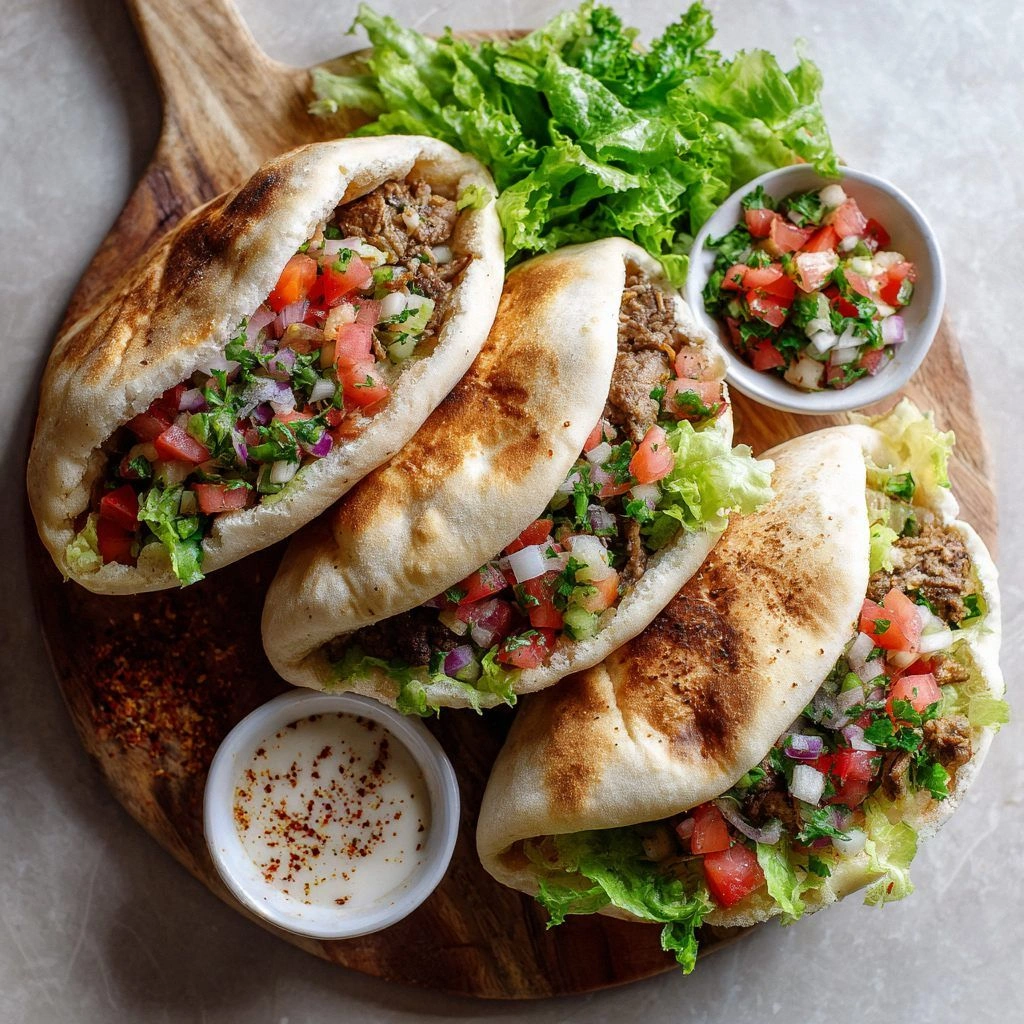
The Method — Step by Step
- Preheat your oven to 400°F (200°C) and place a sheet of parchment paper on a baking sheet. Slice the pita pockets in half lengthwise, creating a pocket that’s easy to fill but still sturdy. This step ensures that the pita stays crisp during baking. While the oven warms, set aside a bowl for the filling. Remember, the heat of the oven is the key to that perfect golden crust.
- Cook the quinoa according to package instructions, using low‑sodium broth for extra flavor. Once cooked, fluff with a fork and let it cool slightly; quinoa adds a nutty, protein‑rich base that keeps the pockets from feeling too light. If you’re short on time, you can use pre‑cooked quinoa from the grocery store. Skipping quinoa would make the pockets less substantial.
- Dice the cucumber, cherry tomatoes, and red onion into bite‑size pieces. Toss them with a splash of lemon juice and a pinch of salt to keep them crisp and brighten the flavors. This simple step preserves the crunch and prevents the veggies from becoming soggy. If you prefer a sweeter bite, add a dash of honey, but be careful not to overpower the other ingredients.
- In a medium bowl, combine the crumbled feta, hummus, and a tablespoon of lemon juice. Mix until smooth, creating a creamy base that will bind the filling together. This mixture should be thick enough to hold the veggies but still spreadable. If it’s too thick, add a splash of yogurt to loosen it up.
- Add the cooled quinoa, diced vegetables, sliced olives, and chopped parsley to the feta‑hummus blend. Stir gently until everything is evenly coated, ensuring each bite delivers a balanced flavor. This step is where the magic happens—the filling becomes a harmonious blend of textures and tastes. If you’re adding a protein like grilled chicken, fold it in now.
- Fill each pita pocket with the prepared mixture, packing it snugly but leaving a small gap for the filling to expand slightly when baked. The pockets should feel full but not overstuffed, preventing the dough from tearing. This is the moment of truth—watch how the filling bulges just enough to showcase the textures inside.
- Bake the stuffed pitas for 12–15 minutes, or until the edges are golden brown and the filling is heated through. Remove from the oven and let them cool for a minute before serving. The aroma at this point will make your mouth water—trust me, you’re halfway to culinary bliss. Serve immediately with a side of tzatziki or a simple Greek yogurt dip.
That’s it — you did it. But hold on, I’ve got a few more tricks that’ll take this to another level…
Insider Tricks for Flawless Results
The Temperature Rule Nobody Follows
Many people bake stuffed pockets at a high temperature to get a crisp crust, but this can cause the filling to dry out. I’ve found that a moderate 375°F (190°C) gives the perfect balance: the pita crisps without burning, and the filling stays moist. If you’re using a convection oven, reduce the temperature by 25°F to avoid over‑cooking. This trick ensures every bite is juicy and golden.
Why Your Nose Knows Best
Your sense of smell is your best indicator of doneness. As the pita browns, the scent of toasted wheat and roasted vegetables will signal that it’s ready. If the aroma is still overwhelmingly yeasty, give it a few more minutes. This sensory checkpoint saves you from overcooking and ensures the pockets are at peak flavor.
The 5‑Minute Rest That Changes Everything
After removing the pitas from the oven, let them rest on a wire rack for five minutes. This allows the steam to escape and the filling to settle, preventing the pockets from becoming soggy. I’ve seen friends skip this step and end up with a soggy mess that feels like a sandwich. The five‑minute rest is a small but game‑changing pause.
Keep the Pitas Warm
If you’re serving the pitas at a gathering, keep them warm in a low‑heat oven (200°F/90°C) covered with foil. This prevents them from drying out while you finish the rest of the menu. A warm pocket is a delight to bite into, and the steam keeps the filling fresh. Without this trick, the pitas can become hard and unappetizing.
Balance the Creaminess
Too much hummus can make the pockets heavy, while too little can leave them dry. Aim for a ratio of 1 part hummus to 2 parts feta. This balance keeps the filling creamy without overpowering the crisp vegetables. If you prefer a vegan version, replace the feta with a plant‑based cheese that melts similarly.
Use a Food Processor for the Filling
Processing the feta, hummus, and lemon juice together creates a silky, uniform base that incorporates the flavors instantly. A food processor also ensures that the mixture holds together without separating. This step saves time and guarantees a consistent texture across all pockets. Skipping the processor may result in uneven flavor distribution.
Creative Twists and Variations
This recipe is a playground. Here are some of my favorite ways to switch things up:
Mediterranean Chicken Wrap
Swap the quinoa for shredded grilled chicken seasoned with oregano and lemon zest. Add a handful of spinach for extra green. The result is a protein‑rich pocket that feels like a lunch‑box favorite. Guests will love the familiar chicken flavor with a Mediterranean kick.
Spicy Falafel Pocket
Replace the hummus with a spicy tahini sauce and fold in homemade falafel crumbs. Add a drizzle of harissa for heat. The crunch of the falafel combined with the creamy sauce creates a bold, adventurous bite that’s perfect for spice lovers.
Vegan Power Bowl
Omit all dairy and use a vegan feta substitute. Add chickpeas and a splash of tahini for protein. This variation offers a hearty, plant‑based option that still delivers on flavor and texture.
Greek Yogurt Swirl
Replace the tzatziki with a swirl of plain Greek yogurt mixed with dill and garlic. The yogurt adds a tangy creaminess that pairs beautifully with the feta. This swap gives the pockets a smoother, milder finish.
Roasted Veggie Delight
Roast the tomatoes and onions with a drizzle of olive oil and rosemary before adding them to the filling. The caramelized sweetness elevates the dish to a new level of depth. This version is great for a cozy autumn dinner.
Lemon Herb Shrimp
Sauté shrimp with lemon zest, garlic, and fresh parsley. Fold the shrimp into the filling for a quick seafood twist. The shrimp’s juicy texture complements the crisp veggies and creamy feta, creating a balanced bite.
Storing and Bringing It Back to Life
Fridge Storage
Store the assembled pockets in an airtight container for up to three days. Keep the filling separate until ready to serve to avoid sogginess. When you’re ready to eat, reheat in a toaster oven or skillet for a minute to restore the crunch. This method keeps the pockets fresh and flavorful.
Freezer Friendly
Wrap the pockets individually in foil and freeze for up to two months. Thaw overnight in the refrigerator before reheating. The freezing process preserves the texture, but a quick bake at 375°F (190°C) for 10 minutes will bring the pita back to its golden glory.
Best Reheating Method
The best way to reheat is in a skillet over medium heat for 2–3 minutes on each side. This technique restores the pita’s crispness while warming the filling evenly. A quick splash of water before reheating can create steam that keeps the filling moist. Avoid microwaving, as it tends to make the pita soggy.