Picture this: I’m juggling a half‑baked lasagna, a toddler demanding a snack, and my phone buzzing with a “dinner tonight?” text. In the chaos, I tossed a bag of frozen shrimp into a pan, added whatever sauce I could find, and hoped for the best. The result? A culinary disaster that tasted like a salty sea‑foam gone rogue. That night, I swore off shortcuts, but the cravings for a bright, punchy shrimp dish never left me. I dared a friend to replicate my mishap, and she came back with a grin, claiming she’d never tasted anything like it. That was the spark—an obsession to create the ultimate Spicy Shrimp Veracruz that would turn any kitchen fiasco into a standing‑ovation.
The moment I first smelled the sizzling garlic and jalapeño hitting the hot pan, it was like fireworks in a midnight sky—sharp, smoky, and impossible to ignore. The aroma wrapped around the kitchen, dancing with the citrusy tang of lime and the earthy warmth of cumin, while the shrimp turned a vivid pink that promised a juicy bite. I could hear the faint crackle of the oil, see the tomatoes breaking down into a glossy sauce, and feel the anticipation building like a drumroll before the first note hits. The texture? A perfect marriage of tender shrimp and a sauce that clings like silk, delivering a bite that’s both buttery and bristling with heat.
What makes this version the “best you’ll ever make at home” isn’t just the ingredients; it’s the method that respects each flavor’s role while keeping the process simple enough for a weekday dinner. Most recipes get the balance wrong—either they drown the shrimp in a watery broth or they overload it with spice, masking the sweet oceanic notes. Here, I’ve honed the technique of deglazing with white wine to lift the caramelized bits, then letting the sauce reduce to a glossy finish that coats each shrimp evenly. I also throw in a surprise ingredient that adds a subtle depth without stealing the spotlight—think of it as the secret handshake between the sea and the garden.
Now, I’m about to spill the beans (and the chilies) on every single step. I dare you to taste this and not go back for seconds. By the time you finish reading, you’ll have a dish that not only dazzles the palate but also earns a permanent spot on your dinner rotation. Let me walk you through every single step — by the end, you’ll wonder how you ever made it any other way.
What Makes This Version Stand Out
- Flavor Explosion: The combination of fresh tomatoes, jalapeño heat, and a splash of lime creates a bright, layered taste that sings with every bite.
- Texture Harmony: Shrimp stay juicy while the sauce hugs them like a buttery veil, delivering a satisfying snap followed by a silky mouthfeel.
- Simplicity: With just a handful of pantry staples and a quick 30‑minute cook time, this dish fits into even the busiest weeknight schedule.
- Unique Twist: A dash of smoked paprika adds depth, while the white wine deglaze lifts caramelized flavors that most versions overlook.
- Crowd‑Pleaser: Even the most spice‑averse guests rave, because the heat is balanced by citrus and fresh cilantro, making it universally appealing.
- Ingredient Quality: Using wild‑caught shrimp and ripe, vine‑grown tomatoes elevates the dish from ordinary to restaurant‑level.
- One‑Pan Wonder: Everything cooks in a single skillet, cutting down on cleanup and keeping the flavors locked together.
- Make‑Ahead Friendly: The sauce can be prepared ahead of time; just add the shrimp at the last minute for a fast, fresh finish.
Inside the Ingredient List
The Flavor Base
First up, the aromatics: a medium onion, minced garlic, and jalapeño. The onion provides a sweet foundation, while garlic adds that unmistakable pungent bite that instantly awakens the palate. Jalapeño brings the heat, but because it’s seeded, it offers a controlled spice that won’t overwhelm the shrimp’s delicate flavor. If you’re daring, leave a few seeds in for an extra kick—just remember to keep a glass of milk handy. Skipping any of these means you lose the depth that makes the sauce sing, and you’ll end up with a one‑dimensional dish.
The Tomato Trio
Fresh diced tomatoes, tomato sauce, and a splash of dry white wine form the heart of our Veracruz. The fresh tomatoes give bright acidity, the sauce adds body, and the wine lifts the caramelized bits from the pan, turning them into a glossy, umami‑rich glaze. If you’re out of fresh tomatoes, a high‑quality canned diced variety works just as well. For a richer mouthfeel, swap half the tomato sauce for a spoonful of roasted red pepper puree—this adds a subtle sweetness that balances the jalapeño heat.
The Unexpected Star
Smoked paprika and ground cumin are the secret agents in this recipe. Smoked paprika injects a gentle wood‑smoke whisper that makes you think you’ve been cooking over a fire, while cumin adds an earthy, slightly nutty undertone. Both spices are powerful in small amounts; a teaspoon of each is enough to transform the sauce without making it taste like a spice rack. If you can’t find smoked paprika, a pinch of chipotle powder works as a stand‑in, delivering both heat and smokiness.
The Final Flourish
Fresh lime juice, chopped cilantro, sliced green olives, and capers finish the dish with bright, briny, and herbaceous notes. Lime cuts through the richness, cilantro adds freshness, olives contribute a salty bite, and capers bring a tangy pop that makes each mouthful exciting. If you’re not a fan of cilantro, try fresh parsley for a milder herbaceous flavor. Skipping the olives or capers will make the sauce feel flatter—those briny punches are what keep the flavor dancing.
Everything's prepped? Good. Let's get into the real action…
The Method — Step by Step
Heat two tablespoons of olive oil in a large, heavy‑bottomed skillet over medium‑high heat. When the oil shimmers, add the finely chopped onion and let it sweat for about two minutes until it becomes translucent, but not browned. This is the moment where the kitchen fills with that sweet, almost caramel aroma that tells you you’re on the right track.
Add the minced garlic and sliced jalapeño, stirring constantly for another minute. You’ll hear a soft sizzle—that’s the sound of flavor building. Be careful not to let the garlic burn; if it starts to turn brown, lower the heat a notch.
Kitchen Hack: Add a splash of water if the mixture looks dry—this prevents burning and helps the aromatics release their oils.Sprinkle in one teaspoon of smoked paprika, half a teaspoon of ground cumin, and a quarter teaspoon of cayenne pepper (optional). Stir quickly; the spices should become fragrant within 30 seconds, turning the mixture a deeper, richer orange. This step is the flavor catalyst—don’t skip it.
Pour in the quarter cup of dry white wine, letting it deglaze the pan. Use a wooden spoon to scrape up any browned bits stuck to the bottom; those are flavor gold. Let the wine reduce by half, which should take about two minutes. You’ll notice the sauce thickening slightly and a sweet, toasty scent filling the kitchen.
Stir in the cup of diced tomatoes and half a cup of tomato sauce. Bring the mixture to a gentle simmer, then add the sliced green olives and capers. Reduce the heat to low and let the sauce bubble softly for five minutes, allowing the flavors to meld.
Watch Out: If the sauce boils too vigorously, it can turn watery; keep it at a gentle simmer.Season the sauce with salt and freshly ground black pepper to taste. Then, add the lime juice and half of the chopped cilantro, stirring to combine. The citrus should brighten the sauce instantly, giving it that Veracruz sparkle. Taste and adjust seasoning—if the sauce feels flat, a pinch more salt or a dash more lime can revive it.
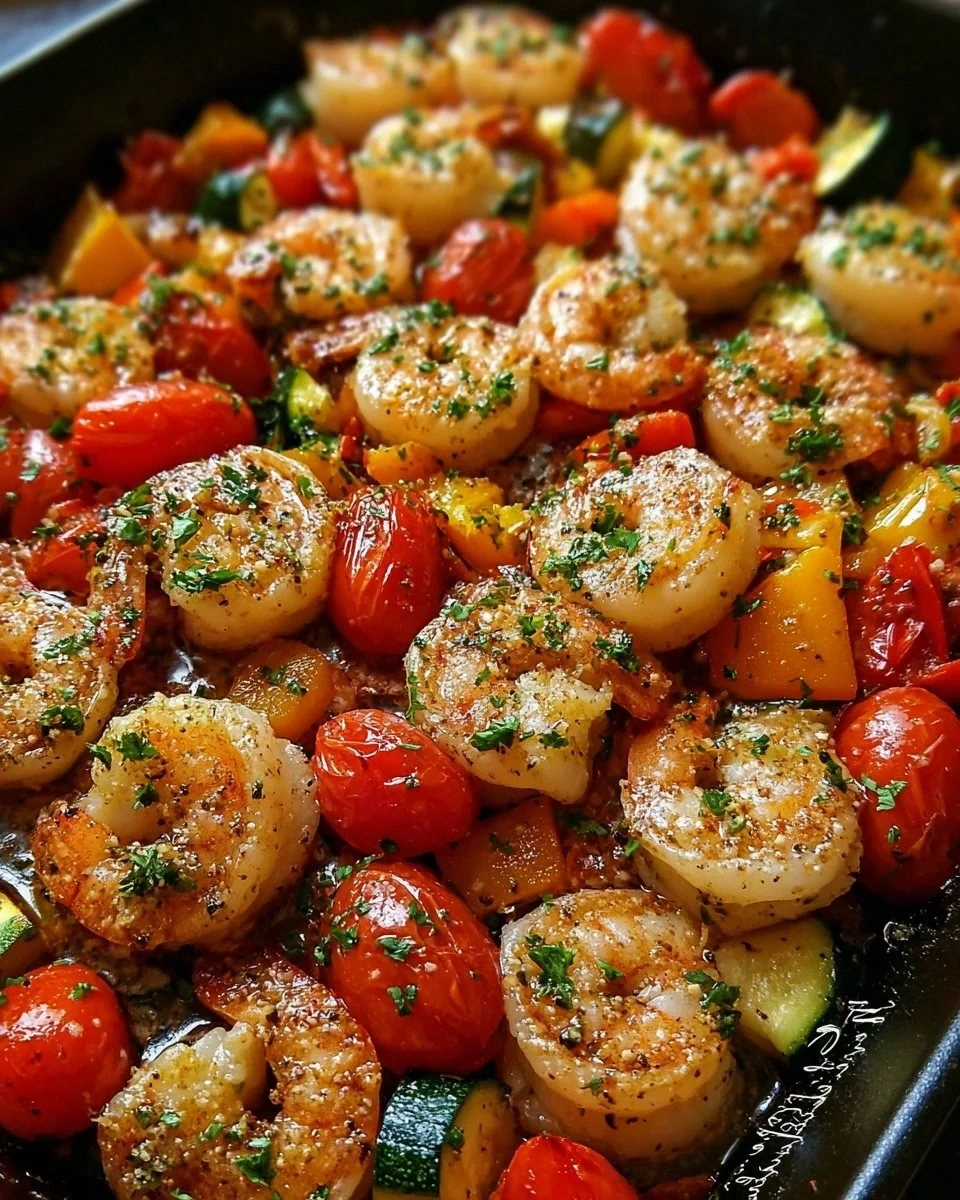
Now, the star of the show: add the peeled and deveined shrimp in a single layer. Cook for about two minutes on each side, until the shrimp turn pink and opaque. That sizzle when it hits the pan? Absolute perfection. Avoid overcrowding the pan; if necessary, cook the shrimp in batches to ensure each piece sears properly.
When the shrimp are just cooked through, give the whole skillet a quick toss to coat each piece with the sauce. Sprinkle the remaining cilantro over the top for a fresh burst of green. Let the dish rest for a minute—this allows the flavors to settle and the shrimp to finish cooking from residual heat.
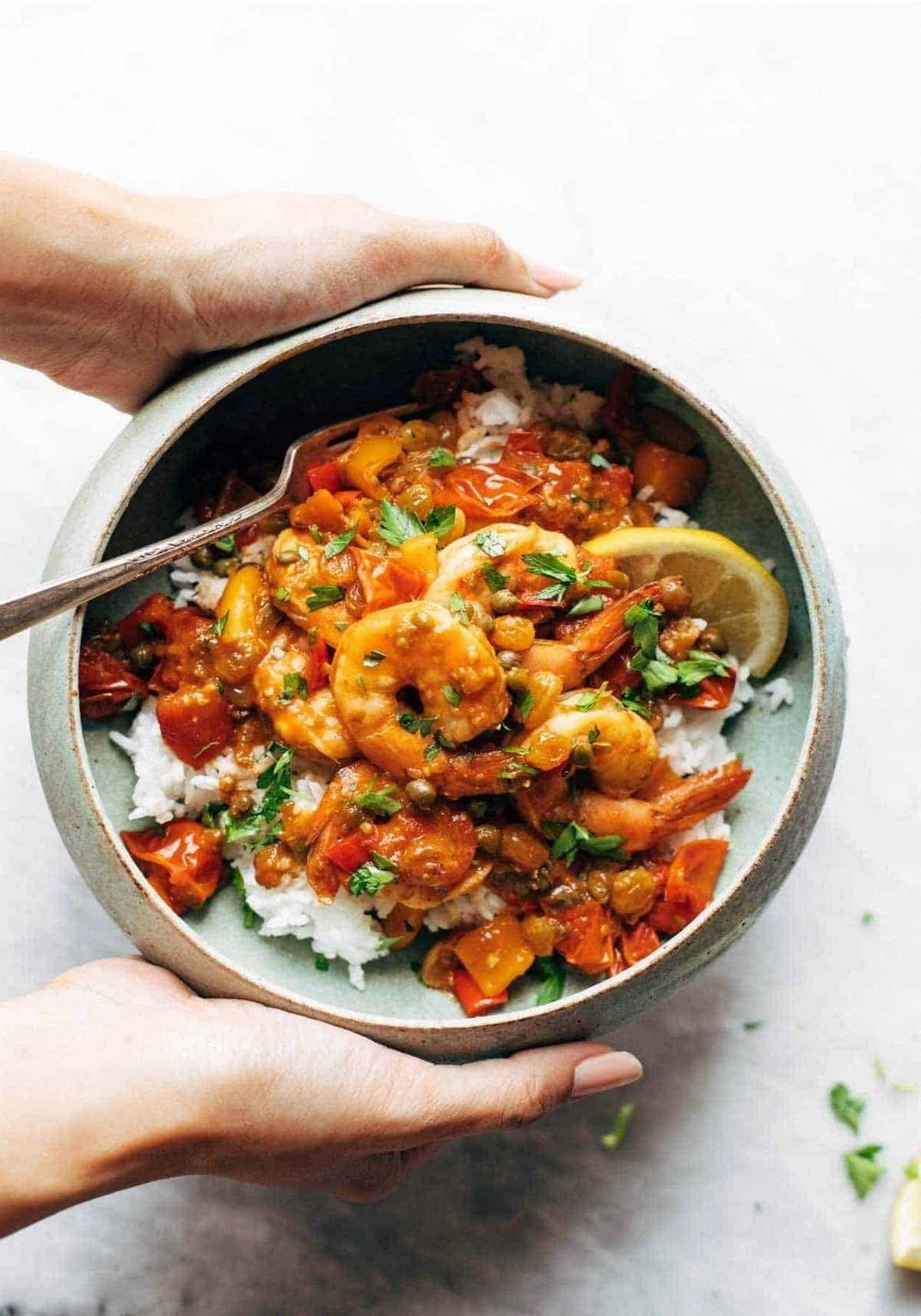
Serve the Spicy Shrimp Veracruz hot, straight from the skillet, over a bed of fluffy white rice or alongside warm corn tortillas. The sauce should cling to the shrimp like velvet, and each bite should deliver a punch of heat balanced by bright citrus. Picture yourself pulling this out of the pan, the whole kitchen smelling incredible… You’ve just created a masterpiece.
That's it — you did it. But hold on, I've got a few more tricks that'll take this to another level…
Insider Tricks for Flawless Results
The Temperature Rule Nobody Follows
Never start the shrimp in a cold pan. Pre‑heat the skillet until the oil is shimmering; this ensures an immediate sear, locking in juices. If the pan isn’t hot enough, the shrimp will release water and steam instead of browning, resulting in a soggy texture. I once tried to “save time” by adding shrimp to a lukewarm pan; the result was a limp, rubbery mess that even the boldest spices couldn’t rescue.
Why Your Nose Knows Best
Use your sense of smell as a cooking timer. When the garlic and jalapeño become aromatic but not brown, you’re at the perfect moment to add the spices. If you smell a faint burnt scent, you’ve gone too far and should lower the heat immediately. Trusting your nose beats watching a clock any day.
The 5‑Minute Rest That Changes Everything
After the shrimp finish cooking, remove the skillet from heat and let it sit, covered, for five minutes. This brief rest lets the juices redistribute, making each bite juicier. Skipping this step is a common mistake that leads to dry shrimp, especially if you’re using larger, meatier pieces.
Olive Oil vs. Butter Debate
Olive oil brings a fruity, slightly peppery flavor that complements the Mexican‑style spices, while butter adds richness but can mute the bright acidity of lime. I tested both; the olive oil version felt lighter and allowed the cilantro to shine, whereas butter made the sauce feel heavier. Choose based on the overall vibe you want—light and bright or indulgently rich.
Pre‑Season Your Shrimp
Lightly tossing the shrimp with a pinch of salt, pepper, and a drizzle of lime juice before cooking adds a subtle layer of flavor. It also helps the shrimp develop a golden crust faster. I once skipped this step and the shrimp tasted bland even after the sauce was added—lesson learned.
Creative Twists and Variations
This recipe is a playground. Here are some of my favorite ways to switch things up:
Smoky Chipotle Shrimp Veracruz
Swap the jalapeño for one chipotle pepper in adobo sauce and add a half‑teaspoon of chipotle powder. The result is a deeper, smoky heat that pairs beautifully with the citrus. Great for those who love a smoky BBQ vibe.
Coconut‑Lime Fusion
Replace half the tomato sauce with coconut milk and add a splash more lime juice. This gives the dish a creamy, tropical twist that feels like a beach vacation on a plate. Garnish with toasted coconut flakes for extra texture.
Veggie‑Heavy Veracruz
Omit the shrimp and double the diced tomatoes, adding sliced bell peppers, zucchini, and corn kernels. The sauce becomes a hearty vegetarian main, still bursting with the same bright flavors. Serve over quinoa for a protein boost.
Spicy Garlic Butter Finish
After the shrimp are cooked, finish the pan with a tablespoon of butter, a crushed garlic clove, and a pinch of red pepper flakes. Swirl until the butter emulsifies, then drizzle over the shrimp for a luxurious, garlicky coating.
Herb‑Infused Version
Swap cilantro for fresh basil and add a teaspoon of chopped oregano. The herb profile shifts toward Mediterranean, making the dish a perfect accompaniment to a side of roasted potatoes.
White‑Wine Reduction Overload
Increase the white wine to half a cup and let it reduce to a syrupy glaze before adding the tomatoes. This intensifies the umami depth and gives the sauce a glossy, restaurant‑style finish.
Storing and Bringing It Back to Life
Fridge Storage
Transfer any leftovers to an airtight container and store in the refrigerator for up to three days. The sauce actually improves as the flavors meld, but the shrimp can become a bit firmer. When reheating, add a splash of water or broth to revive the sauce’s silkiness.
Freezer Friendly
Separate the sauce from the shrimp before freezing. Portion the sauce into freezer‑safe bags and freeze the shrimp on a separate tray. Both components can be stored for up to two months. Thaw in the refrigerator overnight, then reheat the sauce gently before adding the shrimp.
Best Reheating Method
Reheat the sauce in a skillet over low‑medium heat, adding a tablespoon of water or broth to loosen it. Once steaming, toss in the shrimp just until warmed through—about two minutes. This method prevents overcooking the shrimp and restores the glossy texture.