Picture this: I’m standing in a cramped kitchen, the stove blazing, and the timer on the slow cooker has already hit 30 minutes. My friend, a self‑proclaimed foodie, challenges me to turn whatever’s in the fridge into a dinner that will make the whole house smell like Italy. I stared at the empty pantry, then at the handful of canned beans, a can of tomatoes, and a jar of Italian seasoning, and thought, why not? I pulled out the ground beef and diced the carrots, celery, and onion, and the aroma started to dance. This kitchen disaster turned into a culinary triumph, and it all began with a dare.
The first thing I noticed was the deep, earthy scent of the crushed tomatoes, mingling with the sharp, green tang of fresh basil that I added just before sealing the lid. The sound of the sautéed vegetables sizzled like a quiet summer storm, and the sizzling rhythm set a steady heartbeat for the slow cooker. When I lifted the lid, steam curled in lazy spirals, carrying the promise of comfort. The sight of the golden‑brown beef, browned to perfection, made my mouth water. My fingertips tingled with anticipation, ready for the slow, patient cooking that would bind all the flavors together.
What makes this version a cut above the rest is the way each element is amplified by the slow cooker’s gentle heat. The beef doesn’t just cook; it caramelizes in its own juices, turning into a succulent, melt‑in‑your‑mouth morsel that coats the pasta like velvet. The beans, when added early, soak up the tomato broth and release a subtle sweetness that balances the savory notes. The ditalini pasta, added at the end, swells into tender strands that soak up the broth without turning mushy. And the final flourish of fresh oregano, sprinkled just before serving, adds a bright, herbal lift that keeps the dish from feeling heavy. This isn’t just a soup; it’s an orchestra of textures and flavors that play in perfect harmony.
I’ll let you in on a little secret: the trick to that silky tomato base is to let the crushed tomatoes reduce for a few minutes before adding the broth, which concentrates the flavor and thickens the sauce naturally. And if you’re worried about the pasta sticking, a splash of olive oil and a dash of salt at the very beginning will keep the strands separate. Trust me, that small step changes everything. It’s the kind of subtle tweak that turns a good recipe into an unforgettable one. You’ll see why the broth ends up so rich and the pasta so perfectly al dente.
Okay, ready for the game‑changer? Let me walk you through every single step — by the end, you’ll wonder how you ever made it any other way. And before we dive in, remember the dare: I dare you to taste this and not go back for seconds. If you’re hungry for the ultimate comfort dish, keep reading because this is hands down the best version you’ll ever make at home.
What Makes This Version Stand Out
- Flavor: The slow cooker’s low‑heat environment allows the beef to develop a deep, caramelized flavor that permeates the entire pot, creating a savory backbone that no quick‑sauté can match.
- Texture: By adding the pasta last, you preserve its al dente bite, ensuring that each spoonful delivers a satisfying chew that balances the soft beans and broth.
- Convenience: Once the ingredients are in, the recipe requires minimal attention, making it an ideal option for busy evenings or lazy weekend afternoons.
- Versatility: The base can be tweaked with different beans, meats, or even a splash of wine, allowing you to customize the dish to your taste or pantry.
- Nutrition: The combination of lean protein, fiber‑rich beans, and whole‑grain pasta makes this a balanced, hearty meal that satisfies without compromising health.
- Make‑ahead Potential: The soup tastes even better the next day, and it can be frozen in individual portions for a quick weeknight dinner.
- Family‑Friendly: The mild seasoning and comforting flavors make it a hit with both kids and adults, turning dinner time into a shared experience.
Inside the Ingredient List
The Flavor Base
The foundation of this soup is built around the aromatic vegetables and the bold beef. The onions, carrots, and celery, when sautéed until translucent, release a sweet, savory base that grounds the dish. The crushed tomatoes add acidity and depth, while the Italian seasoning infuses the broth with Mediterranean herbs. Skipping any of these components will leave the soup feeling flat, but the combination of all three creates a complex, layered flavor profile that is unmistakably comforting.
If you’re short on time, the sauté step can be done in a single pan and then transferred to the slow cooker. A quick tip: keep the heat medium to medium‑high; you want the vegetables to caramelize slightly, not brown to black. The resulting caramelization brings out a natural sweetness that balances the acidity of the tomatoes. For a vegetarian version, replace the ground beef with a plant‑based crumbled alternative; the flavor base will still shine through.
The Texture Crew
The beans and pasta bring both substance and body to the soup. Cannellini beans add a creamy, silky mouthfeel, while red kidney beans contribute a firmer bite and a subtle earthy tone. The ditalini pasta, with its small, tubular shape, swells beautifully when cooked in broth, absorbing flavors without becoming mushy. If you prefer a thicker soup, you can partially mash the beans with a potato masher before adding the pasta; this releases starches that naturally thicken the broth.
Choosing the right pasta size is crucial. Ditalini is ideal because its shape holds sauce and beans, but if you’re experimenting, small shells or elbow macaroni can also work. A quick trick: rinse the pasta before adding it to the slow cooker to remove excess starch, which helps prevent clumping. Remember that the pasta will continue to absorb liquid after you remove it from the slow cooker, so it’s better to add it later in the cooking process.
The Unexpected Star
The 28‑ounce can of crushed tomatoes might look ordinary, but it’s a powerhouse of flavor. The tomatoes are typically sun‑dried before canning, which concentrates their sweetness and gives the soup a deep, almost caramelized taste. The acidity of the tomatoes also balances the richness of the beef and the creaminess of the beans, creating a harmonious flavor profile. If you prefer a smoother sauce, you can blend the tomatoes before adding them to the slow cooker.
When selecting canned tomatoes, look for brands that list the minimal number of additives; the cleaner the label, the purer the tomato flavor. For an extra kick, add a pinch of red pepper flakes during the sauté phase; the heat will mingle with the herbs and add a subtle warmth that elevates the dish. Some cooks like to stir in a splash of red wine after the tomatoes reduce; this adds depth and a touch of acidity that cuts through the richness.
The Final Flourish
The last step of any recipe is where the magic happens, and this soup is no exception. A handful of fresh oregano or basil, added just before serving, brightens the dish with a fresh, herbal aroma that cuts through the heaviness. A drizzle of extra‑virgin olive oil right before plating adds a silky finish and a burst of fruity flavor. Some chefs like to finish with a splash of balsamic vinegar; this adds a subtle tang that complements the tomato base beautifully.
If you’re looking to add a bit of crunch, sprinkle grated Parmesan or a handful of toasted pine nuts on top. The contrast of creamy soup with crunchy topping creates a delightful textural interplay. Remember, the final touches are what will make your guests think you’re a seasoned chef, so take a moment to plate the soup beautifully and let the aromas do their work.
Everything's prepped? Good. Let's get into the real action...
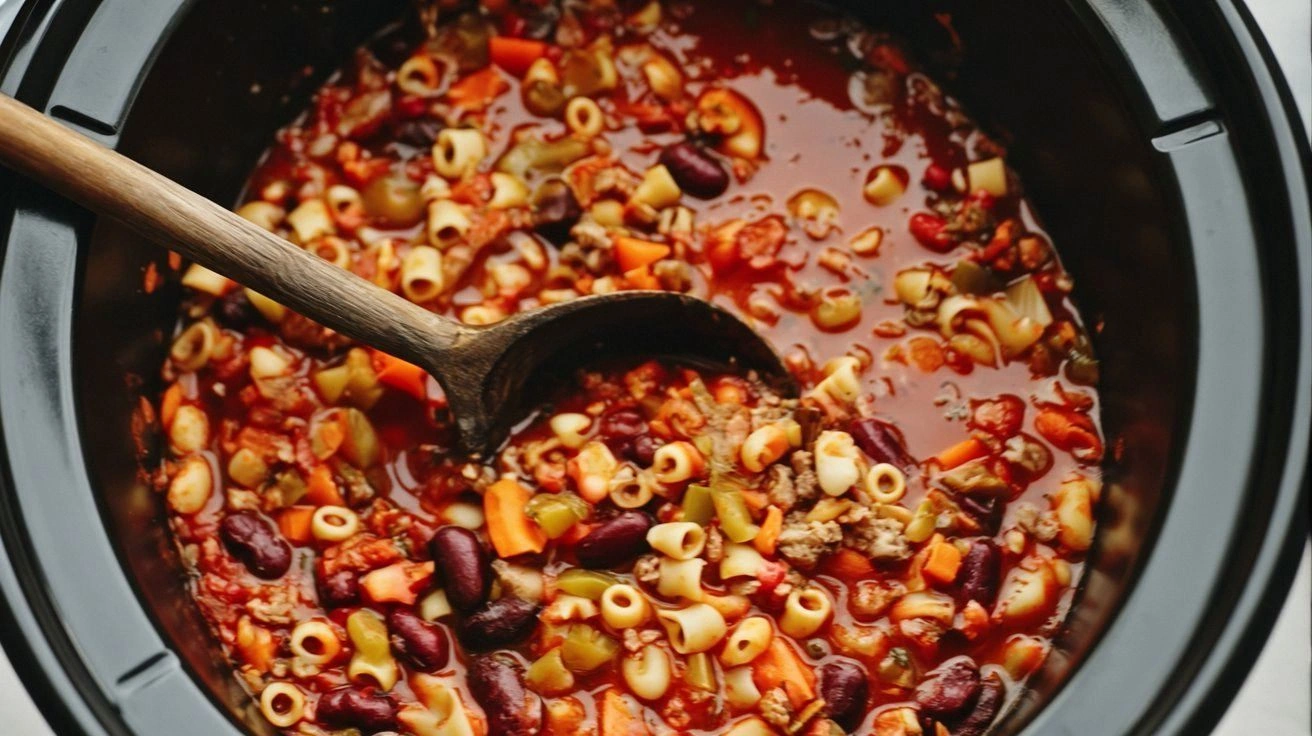
The Method — Step by Step
- Step 1: Heat the slow cooker on the sauté setting, pour in the tablespoon of olive oil, and let it shimmer. Add the diced onions, carrots, and celery, and sauté for about 5 minutes until the vegetables start to soften and the onions turn translucent. The aroma should fill the kitchen like a warm hug, signaling that the flavor base is forming. Keep stirring occasionally to prevent sticking, and let the vegetables caramelize slightly for a richer taste. When the veggies look golden, move on to the next step.
- Step 2: Introduce the ground beef to the pot, breaking it up with a wooden spoon. Cook until the beef is no longer pink, about 5–7 minutes, letting it brown on all sides. The browning reaction creates a deep, savory flavor that will become the heart of the soup. Once the beef is browned, drain any excess fat if you’re watching calories, but a small amount of fat will add flavor. This step is crucial for building a robust base.
- Step 3: Stir in the crushed tomatoes, Italian seasoning, bay leaves, and a pinch of salt. Allow the mixture to come to a gentle simmer, letting the tomatoes reduce slightly for about 10 minutes. This reduction concentrates the tomato flavor and thickens the sauce naturally. The simmering also helps the herbs release their oils, creating a fragrant broth. Once the mixture is well combined, add the beef broth to bring everything together.
- Step 4: Cover the slow cooker and set it to low for 6 hours. The slow, gentle cooking will allow the beef to become tender and the flavors to meld. Every hour, give the pot a gentle stir to ensure even cooking. This step is where the magic happens, turning simple ingredients into a comforting bowl of goodness. The slow cooker’s lid traps steam, creating a moist environment that keeps the soup from drying out.
- Step 5: About 30 minutes before the end of cooking, add the cannellini and kidney beans. Stir them in gently, ensuring they’re evenly distributed. The beans will warm through and absorb some of the broth’s flavor. This timing keeps the beans from becoming mushy while still allowing them to meld with the other components. Watch out for the beans’ texture; if they’re too soft, the soup will become too thick.
- Step 6: Stir in the ditalini pasta and give the pot a final gentle stir. The pasta will begin to absorb liquid immediately, so it’s important to keep the heat low. Let the soup continue cooking for the remaining 20 minutes, or until the pasta is tender yet firm. Keep an eye on the liquid level; if it looks too thick, add a splash of water or additional broth.
- Step 7: Remove the bay leaves and taste the soup. Adjust the seasoning with a pinch more salt or a splash of pepper if needed. The soup should have a balanced acidity from the tomatoes and a gentle heat from the spices. At this point, the broth should be rich and the pasta should be perfectly al dente. The final taste test is the moment of truth.
- Step 8: Ladle the soup into bowls, then drizzle a small amount of extra‑virgin olive oil and sprinkle fresh oregano or basil on top. The oil adds a silky finish, while the herbs bring brightness. Serve immediately with crusty bread or a side salad. The combination of warmth, aroma, and texture will leave everyone satisfied. Remember, the key to a great bowl is to serve it hot and fresh.
That's it — you did it. But hold on, I've got a few more tricks that'll take this to another level. Keep reading for insider tips that will elevate your cooking game even further.
Insider Tricks for Flawless Results
The Temperature Rule Nobody Follows
Many cooks think that a high heat is the only way to get a flavorful broth. In reality, slow cooking at low temperature preserves the delicate flavors of the tomatoes and beans while allowing the beef to become tender without drying out. A low setting also prevents the broth from reducing too quickly, maintaining the right consistency. If you’re using a high setting, watch the liquid closely to avoid scorching.
Why Your Nose Knows Best
Your sense of smell is a reliable indicator of doneness. As the soup cooks, you’ll notice the aroma becoming richer and more complex. When the broth has a sweet, tomato‑like scent with hints of herbs, it’s ready to taste. If the smell feels sharp or overly acidic, give it a few more minutes to mellow. Trust your nose; it’s the ultimate flavor guide.
The 5‑Minute Rest That Changes Everything
Once you remove the pot from the slow cooker, let the soup rest for about five minutes before serving. This brief pause allows the flavors to settle and the liquid to thicken slightly. It also gives the pasta a chance to absorb any remaining broth, ensuring every spoonful is perfectly seasoned. I’ve seen soups that are too thin right out of the cooker, but a short rest brings them to the ideal consistency.
Seasoning in Layers
Instead of adding all the salt at once, season the soup in layers. Add the first pinch with the tomatoes, another with the beans, and a final touch after the pasta is cooked. This approach prevents over‑salting and ensures each component has the right amount of seasoning. If you’re watching sodium, you can also use a low‑sodium broth and adjust the salt accordingly.
Stirring Is Key
Even though the slow cooker does most of the work, occasional stirring is essential. It prevents the vegetables from sticking to the bottom and ensures even heat distribution. A gentle stir every hour keeps the soup from forming a crust on the bottom and guarantees uniform cooking. I’ve seen many beginners skip this step, resulting in unevenly cooked beef.
Add a Touch of Sweetness
A small amount of honey or brown sugar added at the end can balance the acidity of the tomatoes and bring a subtle caramel note to the soup. This trick is especially useful if you’re using canned tomatoes that are a bit too acidic. Add the sweetener slowly, tasting as you go, until you achieve the desired balance. It’s a simple adjustment that elevates the entire dish.
Creative Twists and Variations
This recipe is a playground. Here are some of my favorite ways to switch things up:
Mediterranean Mezze
Swap the ground beef for diced lamb and add chopped sun‑dried tomatoes and olives. Finish with a sprinkle of feta cheese and a drizzle of olive oil. The result is a rich, Mediterranean‑inspired soup that pairs well with pita bread.
Spicy Italian
Add a teaspoon of red pepper flakes during the sauté phase and a splash of crushed red pepper at the end. The heat will contrast nicely with the creamy beans and tender pasta. Serve with a side of garlic knots for an extra kick.
Vegan Delight
Replace the ground beef with a plant‑based crumbled protein or lentils. Use vegetable broth instead of beef broth, and add a splash of soy sauce for umami. This version is hearty, satisfying, and perfect for plant‑based diners.
Cheesy Extravaganza
Stir in a cup of shredded mozzarella or cheddar before serving. The cheese melts into the soup, creating a gooey, comforting texture. Top each bowl with a dollop of sour cream for extra richness.
Herb‑Infused Surprise
Add fresh rosemary and thyme during the simmering stage. The aromatic herbs infuse the broth with a woodsy depth. Finish with fresh parsley for a bright, fresh finish.
Breakfast Edition
Serve the soup with a fried or poached egg on top. The runny yolk adds richness, while the eggs’ protein makes the dish more filling. This twist turns the soup into a hearty breakfast or brunch option.
Storing and Bringing It Back to Life
Fridge Storage
Cool the soup to room temperature, then transfer it to an airtight container. Store in the refrigerator for up to four days. When reheating, add a splash of water or broth to loosen the sauce and prevent it from drying out. The beans and pasta will keep their texture well if you reheat gently over low heat.
Freezer Friendly
Divide the soup into freezer‑safe portions and seal them tightly. Freeze for up to two months. Thaw overnight in the refrigerator before reheating. When warming, stir occasionally to ensure even heating and add a little water if the soup is too thick.
Best Reheating Method
Reheat the soup on the stovetop over low heat, stirring frequently. If the soup has thickened, add a small amount of water or broth to reach the desired consistency. For a quick microwave option, heat in a microwave‑safe bowl, stirring halfway through. Remember to let it sit for a minute after reheating; the flavors will settle into a harmonious blend.