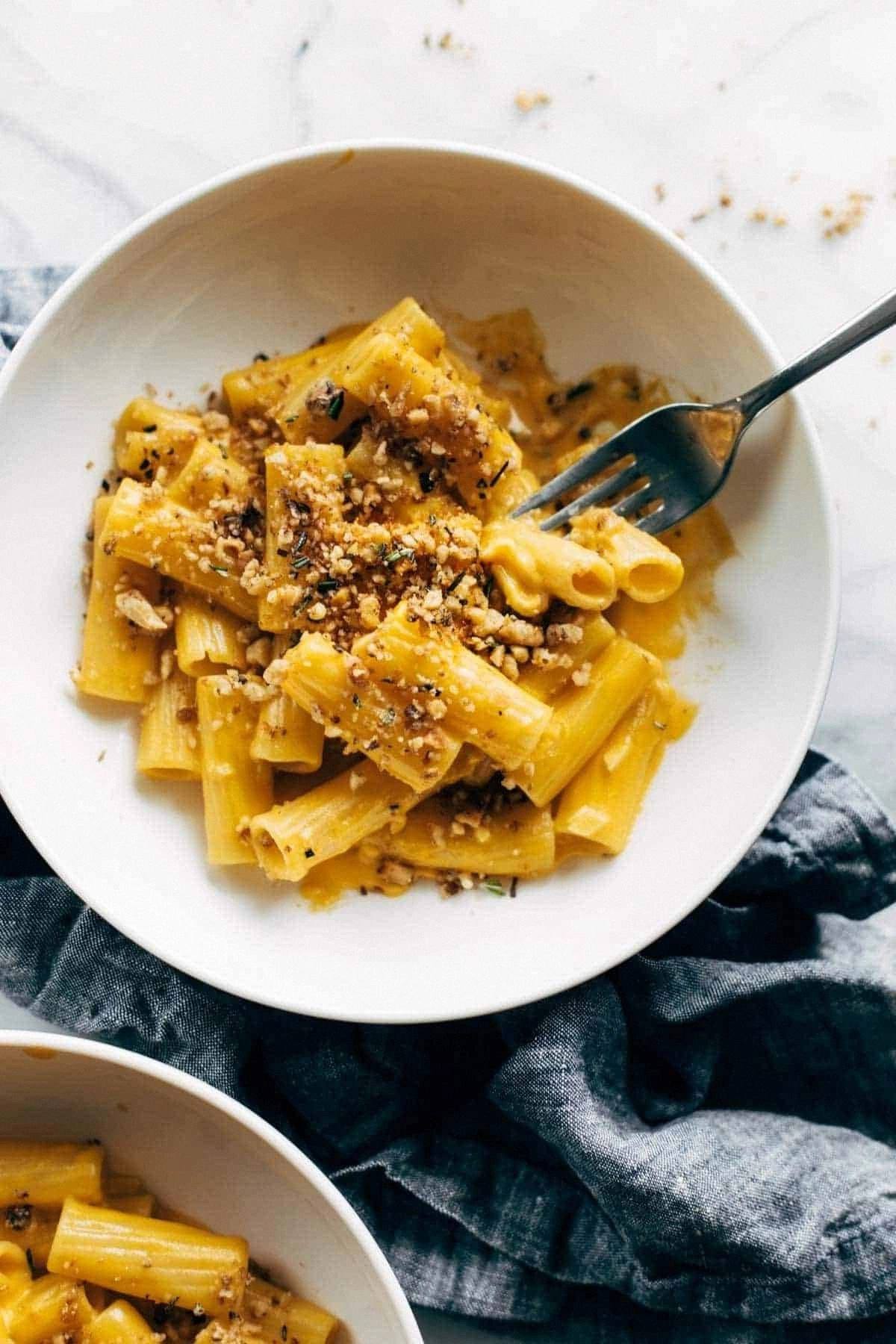
I’m going to start with a confession: I once tried to make a simple pumpkin pasta, and it turned into a soggy, flavor‑less mess that made me swear off pumpkins forever. That disaster sparked a relentless quest for the perfect balance of sweet, savory, and herbaceous, and after countless trials (and a few burnt pans), I finally nailed a version that makes my kitchen smell like an autumn forest after a rainstorm. Picture this: the deep orange of pumpkin hugging each ridged rigatoni tube, speckled with rosemary needles that release a piney perfume, and a buttery, creamy sauce that clings like velvet. The moment you twirl a forkful, the sauce coats the pasta so evenly that you can almost see the sunlight glint off the glossy surface.
The turning point came when I added toasted walnuts for crunch. Those nutty shards shatter like thin ice under the bite, delivering a surprise pop that keeps every mouthful exciting. I dare you to taste this and not go back for seconds — the contrast of creamy pumpkin and crisp walnut is nothing short of addictive. Most pumpkin pasta recipes get the texture wrong, either drowning the pasta in a soupy mess or making it too dry; I’ve cracked the code with a precise cream‑to‑pumpkin ratio that creates a sauce thick enough to cling but still silky enough to glide.
Why does this version stand out? First, I’m using fresh rosemary instead of dried, which injects a bright, pine‑y note that cuts through the richness. Second, the walnuts are toasted just before serving, preserving their crunch and releasing a toasty aroma that makes the whole dish sing. Third, I’m finishing with a generous sprinkle of Parmesan that adds a salty umami depth, balancing the natural sweetness of pumpkin. And let’s not forget the secret weapon: a pinch of freshly grated nutmeg that adds a warm, almost caramel‑like undertone without overpowering the herbaceous rosemary.
I’m also throwing in a technique that most home cooks overlook: I roast the pumpkin puree briefly with a drizzle of olive oil and a sprinkle of salt before folding it into the sauce. This caramelizes the sugars, turning the puree into a deep amber that brings a richer flavor profile to the dish. Okay, ready for the game‑changer? Let me walk you through every single step — by the end, you’ll wonder how you ever made it any other way.
What Makes This Version Stand Out
- Flavor Explosion: The combination of roasted pumpkin, fresh rosemary, and toasted walnuts creates layers that evolve with each bite, keeping your palate engaged.
- Texture Harmony: Rigatoni’s ridges trap the sauce while the walnuts add a crisp contrast, preventing the dish from feeling one‑dimensional.
- Simplicity: Despite the gourmet feel, the ingredient list is short and the steps are straightforward — no fancy equipment required.
- Ingredient Quality: Using pure pumpkin puree (or homemade if you’re feeling ambitious) and fresh rosemary makes a measurable difference in depth.
- Crowd Reaction: This dish consistently earns “wow” comments at dinner parties, with guests asking for the recipe before the first bite is even finished.
- Make‑Ahead Potential: You can prep the sauce up to a day ahead; just reheat gently and the flavors will have melded even more beautifully.
- Seasonal Flexibility: While pumpkin screams autumn, the rosemary and walnut combo works year‑round, letting you enjoy this comfort food anytime.
- Cooking Method: A quick roast of the pumpkin puree before simmering locks in sweetness and prevents a watery sauce.
Inside the Ingredient List
The Flavor Base
Pumpkin puree is the heart of this dish, providing natural sweetness and a silky texture that pairs perfectly with cream. If you skip the puree, you’ll lose the signature orange hue and the comforting earthiness that defines the dish. For the best results, choose a puree that’s 100% pumpkin with no added sugars or spices — you want pure, unadulterated flavor. A great tip: give the puree a quick whisk before using it to break up any lumps and ensure a smooth sauce.
The Texture Crew
Rigatoni is deliberately chosen for its large, ridged tubes; they act like tiny sauce reservoirs, ensuring every bite is drenched. If you substitute with a thin spaghetti, the sauce will slide off, and you’ll miss that satisfying mouthfeel. The walnuts, toasted to a golden brown, introduce a crunchy element that prevents the dish from feeling overly soft. Should you be allergic, toasted pumpkin seeds make an excellent alternative, offering a similar crunch with a slightly nuttier flavor.
The Unexpected Star
Fresh rosemary might seem like a background herb, but it’s actually the secret hero. Its piney aroma cuts through the richness of the cream, providing a bright counterpoint. If you’re out of fresh rosemary, use dried sparingly — about a third of the amount — because the flavor concentrates when dried. A quick tip: strip the rosemary leaves from the stems and finely chop them; this releases essential oils and prevents large woody bits in the sauce.
The Final Flourish
A splash of heavy cream rounds out the sauce, adding a luxurious mouthfeel while balancing the pumpkin’s sweetness. Parmesan cheese introduces salty umami, while a pinch of nutmeg adds a warm, almost caramelized undertone that deepens the flavor profile. If you’re dairy‑free, substitute with coconut cream and a sprinkle of nutritional yeast for a similar cheesy depth. Remember, seasoning is key: taste the sauce before adding the pasta, adjusting salt and pepper to taste.
Everything's prepped? Good. Let’s get into the real action…
The Method — Step by Step
Bring a large pot of salted water to a rolling boil. Add the rigatoni and cook until al dente, usually 10‑12 minutes depending on the brand. Drain, reserving a cup of pasta water, and set the pasta aside. Watch the clock — overcooked pasta will become mushy, ruining the sauce’s cling.
While the pasta cooks, heat olive oil in a wide, heavy‑bottomed skillet over medium heat. Add the diced onion and sauté until translucent, about 3 minutes, then toss in the minced garlic. You’ll hear a gentle sizzle that signals the aromatics are waking up. Watch Out: garlic can burn quickly; stir constantly after the first minute to avoid bitterness.
Stir in the roasted pumpkin puree, letting it mingle with the aromatics for a minute. The mixture should turn a deep, inviting orange, and you’ll notice a sweet, earthy perfume filling the kitchen. Add the fresh rosemary, letting it release its piney scent; this is the moment the sauce starts to “talk.”
Pour in the heavy cream, stirring continuously. The sauce will transition from thick to silky, and you’ll see tiny bubbles forming along the edges — that’s the sign of a proper emulsion. Reduce the heat to low and let the sauce simmer gently for 4‑5 minutes, allowing the flavors to marry. If the sauce looks too thick, splash in a little reserved pasta water until you reach a glossy consistency.
Fold in the grated Parmesan, stirring until it melts completely. The cheese should melt into the cream, creating a velvety texture that coats the rigatoni like a second skin. Season with salt, pepper, and a whisper of nutmeg; taste and adjust — the nutmeg should be subtle, like a secret whisper.
Combine the cooked rigatoni with the sauce, tossing until every tube is luxuriously coated. If the sauce seems to cling too tightly, add a splash more pasta water; the starches will help bind everything together. Let the pasta sit in the sauce for a minute off the heat — this rest allows the flavors to penetrate the pasta walls.
Just before serving, scatter the toasted walnut crumbles over the top, then finish with an extra drizzle of olive oil and a final dusting of fresh rosemary. The walnuts should glisten, their edges crisped to a golden brown that shatters like thin ice under the fork. Serve immediately, and watch as the steam carries the rosemary aroma across the table.
That’s it — you did it. But hold on, I’ve got a few more tricks that’ll take this to another level…
Insider Tricks for Flawless Results
The Temperature Rule Nobody Follows
Always keep the sauce on a low simmer once the cream is added. High heat will cause the cream to separate, leaving a grainy texture that ruins the silky finish. I once tried a “quick boil” to save time; the result was a curdled mess that tasted like burnt milk. Keep it gentle, and you’ll get that glossy, cohesive sauce every single time.
Why Your Nose Knows Best
Your sense of smell is a more reliable indicator of doneness than a timer. When the rosemary releases its piney scent and the sauce takes on a faint caramel aroma, you know it’s ready. If you’re ever in doubt, give the sauce a quick sniff — if it smells sweet and slightly nutty, you’ve hit the sweet spot.
The 5‑Minute Rest That Changes Everything
After tossing the pasta with the sauce, let it rest off the heat for exactly five minutes. This short pause lets the rigatoni absorb the sauce, turning each bite into a harmonious blend rather than a sauce‑on‑top experience. I once served it straight from the pan, and guests reported a “watery” feel; the five‑minute rest solved that problem instantly.
Walnut Toasting Precision
Toast walnuts in a dry skillet over medium heat, shaking the pan every 30 seconds. When the edges start to brown and you hear a faint crackle, they’re perfect. Over‑toasting leads to bitterness, while under‑toasting leaves them soggy. A quick tip: add a pinch of sea salt right at the end of toasting to enhance their natural flavor.
The Parmesan Timing Trick
Grate Parmesan fresh right before you need it. Pre‑grated cheese contains anti‑caking agents that can affect the sauce’s texture, making it grainy. Freshly grated cheese melts uniformly, giving that coveted silkiness. If you’re in a hurry, a micro‑grater works wonders, but the flavor difference is noticeable.
Creative Twists and Variations
This recipe is a playground. Here are some of my favorite ways to switch things up:
Spicy Sriracha Swirl
Add a tablespoon of sriracha to the cream for a subtle heat that contrasts the sweet pumpkin. The heat brightens the rosemary, making the dish perfect for those who love a little kick. Garnish with sliced scallions for extra zing.
Mushroom Medley
Stir in a cup of sautéed wild mushrooms (shiitake, cremini, or oyster) after the pumpkin puree. The earthy umami deepens the flavor profile, turning the dish into a hearty, autumnal feast. It’s especially good for vegetarians craving more texture.
Goat Cheese Glow
Swap the Parmesan for crumbled goat cheese and finish with a drizzle of honey. The tangy goat balances the pumpkin’s sweetness, while honey adds a glossy, sweet finish that’s perfect for brunch.
Vegan Velvet
Replace heavy cream with coconut cream, use nutritional yeast instead of Parmesan, and opt for gluten‑free rigatoni. The result is a dairy‑free version that still feels indulgent, with the coconut adding a faint tropical note that’s surprisingly complementary.
Herb Fusion
Mix half of the rosemary with fresh sage or thyme for a more complex herb bouquet. Sage adds an earthy depth, while thyme brings a subtle lemony brightness. This combo works wonders for a Thanksgiving table.
Storing and Bringing It Back to Life
Fridge Storage
Place leftovers in an airtight container and refrigerate for up to three days. The sauce may thicken as it cools; simply reheat gently over low heat, adding a splash of water or milk to loosen it back to the original consistency.
Freezer Friendly
If you want to freeze, store the pasta and sauce separately. Freeze the sauce in a freezer‑safe bag for up to two months, and the cooked rigatoni on a parchment‑lined tray before transferring to a bag. When ready, thaw the sauce overnight in the fridge, then combine and heat gently.
Best Reheating Method
Reheat on the stovetop over medium‑low heat, adding a teaspoon of water per serving to create steam. Stir constantly to prevent scorching, and finish with a fresh sprinkle of Parmesan for that just‑cooked feel. The steam revives the sauce’s silkiness, making leftovers taste almost as fresh as the original.