When I first tried to rescue a last‑minute dinner, I found myself staring at a pan of over‑seasoned chicken that had turned into a sad, dry mess. The kitchen smelled like burnt onions, and I was ready to abandon the recipe altogether. But then I remembered a friend’s dare: “I’ll bet you can’t make a creamy Cajun chicken that makes the whole house smell like a Southern kitchen.” That challenge turned into a culinary revelation.
Picture the moment the sizzling chicken hits the pan—an audible crack that promises a golden crust, the aroma of garlic and onions dancing in the air, and a faint whisper of cayenne that hints at the heat to come. I could almost taste the velvety sauce coating each strand of penne, the subtle tang of Parmesan, and the bright pop of bell pepper. The texture is a contrast: crispy edges that shatter like thin ice against a buttery, silky sauce that clings to pasta like velvet.
What made me decide to write this post was the sheer confidence I felt when the dish finished. I was talking to my roommate over a forkful, saying, “I dare you to taste this and not go back for seconds.” He laughed, but the moment he tasted the first bite, his eyes widened. That moment was a micro‑challenge that turned into a bold claim: this is hands down the best version you’ll ever make at home.
I’ll be honest—my kitchen was a mess after the first attempt, but the second try was a triumph. The sauce thickened to a smooth, creamy consistency without clumping, and the chicken stayed juicy inside while the exterior was perfectly seared. The secret? A little heavy cream, a generous grating of Parmesan, and a touch of Cajun seasoning that’s balanced, not overpowering. That combination turned a simple pasta dish into a crowd‑pleaser that has my guests asking for the recipe at every dinner.
If you’ve ever struggled with one‑pot pasta dishes that end up watery or bland, you’re not alone—and I’ve got the fix. Picture yourself pulling this out of the pot, the whole kitchen smelling incredible, the table set with steaming bowls, and the applause from your guests. Let me walk you through every single step — by the end, you’ll wonder how you ever made it any other way.
What Makes This Version Stand Out
- Flavor Depth: The Cajun seasoning isn’t just a spice; it’s a flavor punch that cuts through the richness of the cream and Parmesan, leaving a smoky, slightly sweet undertone that lingers on the palate.
- Texture Contrast: The chicken’s seared crust provides a satisfying bite that balances the silky sauce, while the bell peppers add a subtle crunch that breaks the monotony of pure pasta.
- Simplicity: One pot, one pan, and minimal cleanup. All the ingredients come together in a single, easy‑to‑follow routine that saves time and effort.
- Ingredient Quality: Fresh, high‑quality chicken breasts and hand‑grated Parmesan make the difference between a good dish and a great one. The heavy cream should be full‑fat for that luscious mouthfeel.
- Make‑Ahead Friendly: The dish holds up wonderfully in the fridge and reheat with just a splash of water to restore the sauce’s silky texture.
- Visual Appeal: The bright orange hue from the Cajun seasoning and the golden edges of the chicken create a dish that looks as good as it tastes.
- Crowd Reaction: Friends and family rave about the sauce’s richness and the chicken’s juiciness. It’s the kind of dish that turns a casual dinner into a memorable gathering.
Alright, let’s break down exactly what goes into this masterpiece…
Inside the Ingredient List
The Flavor Base
Olive oil is the first to meet the heat, acting as a medium that carries the aromatics and prevents sticking. A tablespoon per 200 g of chicken is enough to create a golden sear without making the dish greasy. If you’re watching calories, swap for a light spray of oil or a non‑stick pan, but you’ll lose that coveted caramelization.
The onion, finely diced, releases sweetness as it cooks, balancing the heat from the Cajun seasoning. Cutting it into small cubes ensures even cooking and a smoother texture. Skipping the onion will leave the dish feeling one‑dimensional and more like a plain cream pasta.
Garlic cloves, minced to the size of a thumbnail, bring a pungent bite that lingers. Too many cloves can overwhelm the Cajun spice, but just the right amount adds depth. If you’re sensitive to raw garlic, blanch it briefly before adding.
The Texture Crew
Chicken breasts are the star, but their texture hinges on how you handle them. Patting them dry before searing ensures a crisp exterior; moisture is the enemy of caramelization. If you prefer a more tender bite, trim the tendons and cut the breasts into bite‑sized pieces.
Penne pasta, with its ridges, is chosen for its ability to hold the sauce. The al dente bite provides a pleasant chew that contrasts with the creamy coating. If you’re allergic to gluten, swap for a gluten‑free penne; the sauce will cling just as well.
Heavy cream, not half‑fat or skim, delivers a velvety mouthfeel that balances the sharpness of Parmesan. If you’re aiming for a lighter version, try using coconut milk, but the flavor profile will shift noticeably. The key is to keep the cream at a gentle simmer to avoid separation.
The Unexpected Star
Bell peppers, diced into small cubes, add a sweet crunch that cuts through the richness of the sauce. Their bright color also gives the dish a vibrant, appetizing look. If you’re a fan of heat, substitute a handful of diced jalapeño for the bell pepper.
Fresh parsley, chopped, is the finishing touch that brings brightness and a hint of herbal freshness. It also adds a pop of color that makes the dish look professionally plated. A pinch of dried oregano could replace parsley, but it will alter the final flavor profile.
The Final Flourish
Parmesan cheese, freshly grated, is the secret to a silky, cohesive sauce. The cheese’s natural emulsifiers bind the cream and broth, preventing separation. If you prefer a sharper taste, mix in a bit of Pecorino Romano.
Salt and black pepper are the final seasoning adjustments. Salt enhances all the flavors, while pepper adds a subtle bite. Taste the sauce before serving; adjust the seasoning to suit your palate. Skipping the final seasoning step will leave the dish bland.
Everything’s prepped? Good. Let’s get into the real action…
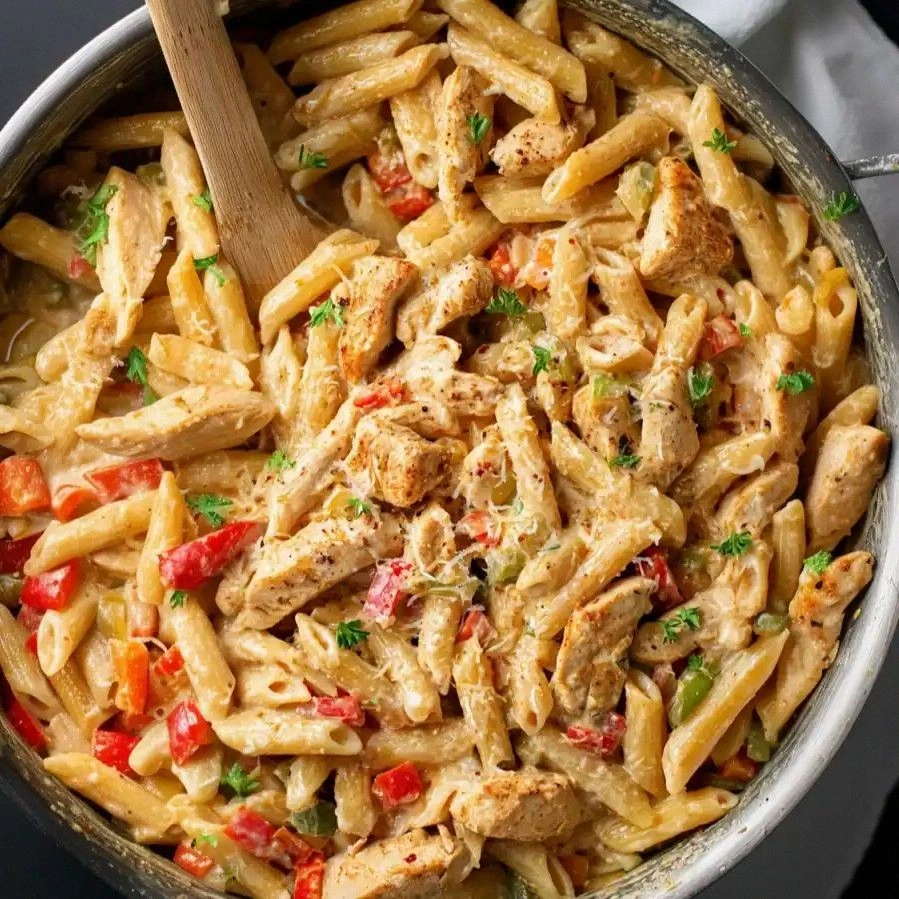
The Method — Step by Step
- Heat a large skillet over medium‑high heat and add the olive oil. Once the oil shimmers, lay the chicken breasts flat in the pan. They should sizzle immediately, a sign that the heat is just right. Let them sear untouched for 4–5 minutes until a golden crust forms on one side.
- Flip the chicken and sear the other side for 3–4 minutes. The edges should pull away from the pan, indicating proper caramelization. This step locks in juices and gives the chicken that coveted crunch. Don’t rush—patience is the secret sauce.
- Remove the chicken and set it aside. In the same pan, add the diced onion and minced garlic, stirring constantly to prevent burning. Cook until the onion turns translucent, about 2 minutes. The aroma should be sweet and inviting, a prelude to the next stage.
- Add the Cajun seasoning, stirring to coat the aromatics. The spice should toast for 30 seconds, releasing its essential oils. This is the moment of truth—watch the color shift to a deep orange, a sign that the seasoning is alive.
- Pour in the chicken broth and bring the mixture to a gentle simmer. Let it reduce slightly for 2 minutes, concentrating the flavors. This step also helps the sauce thicken, preparing it for the cream.
- Stir in the heavy cream, then add the diced bell pepper. The sauce should be silky and glossy, with the pepper pieces visible and slightly translucent. Keep the heat low to prevent curdling.
- Return the chicken to the pan, nestling it into the sauce. Cover and let it simmer for 5 minutes, allowing the flavors to meld and the chicken to finish cooking. The internal temperature should reach 165 °F (74 °C). The sauce will thicken, coating the pasta and chicken.
- Add the penne and stir until the pasta is fully coated and the sauce has thickened to a glossy consistency. If the sauce is too thick, add a splash of pasta water to loosen it. Let the pasta cook for 8–10 minutes, or until al dente, stirring occasionally.
- Finish with a sprinkle of fresh parsley and a final seasoning check. The dish should smell toasty, the sauce should cling to the pasta, and the chicken should feel juicy. Plate immediately for the best texture.
That’s it — you did it. But hold on, I’ve got a few more tricks that’ll take this to another level…
Insider Tricks for Flawless Results
The Temperature Rule Nobody Follows
Most people cook the chicken at too high a temperature, causing the exterior to burn before the interior cooks. I keep the heat medium‑high and let the chicken sear for exactly 4–5 minutes per side. This creates a caramelized crust without scorching, ensuring the chicken stays juicy.
Why Your Nose Knows Best
If the sauce starts to look thick, trust your nose. A slightly sweet aroma indicates the broth has reduced enough; a bitter note means you’ve over‑reduced. Adjust by adding a splash of broth or water to restore balance.
The 5‑Minute Rest That Changes Everything
After the chicken has finished cooking, let it rest for 5 minutes off the heat. This allows the juices to redistribute, preventing a dry bite. I always cover it loosely with foil; the steam keeps it moist.
The Creamy Texture Trick
Stir the heavy cream in slowly, in a thin stream, while the sauce is on low heat. This prevents curdling and ensures a silky mouthfeel. If you’re using a non‑stick pan, keep the heat lower to avoid scorching.
The Parmesan Power
Grating your own Parmesan gives the sauce a richer flavor than pre‑grated. Freshly grated cheese melts evenly and contributes natural emulsifiers that keep the sauce smooth. If you’re short on time, pre‑grated works, but the flavor will be slightly muted.
The Rest and Reheat Technique
If you’re storing leftovers, add a splash of water or broth before reheating. This restores the sauce’s original consistency. Reheat on low heat, stirring constantly to prevent separation.
Creative Twists and Variations
This recipe is a playground. Here are some of my favorite ways to switch things up:
Spicy Shrimp Edition
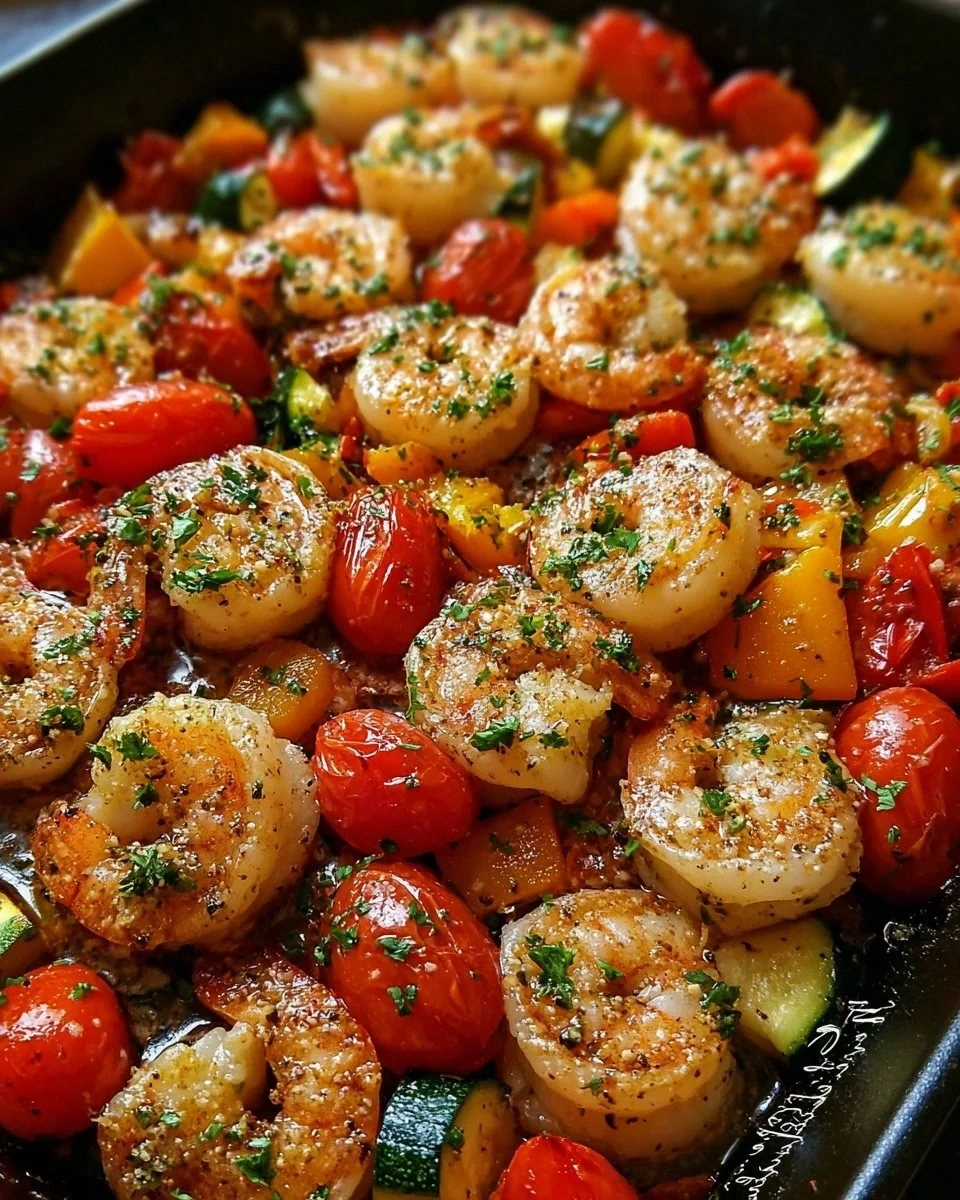
Swap the chicken for shrimp, sautéing them until pink and firm. The shrimp’s natural sweetness balances the Cajun heat, and the dish becomes a quick seafood feast. Serve over the same pasta for a cohesive flavor.
Mushroom Medley
Add sliced cremini or shiitake mushrooms during the onion step. Their earthy umami deepens the sauce, creating a more complex profile. The mushrooms also absorb the cream, adding a velvety texture.
Pesto Infusion
Stir in a few spoonfuls of basil pesto after the cream is added. The green herbaceous note brightens the dish, while the pesto’s oils blend with the cream for a silky finish. It’s a great way to introduce a fresh twist.
Cauliflower “Pasta”
Replace penne with cauliflower rice for a low‑carb version. The cauliflower absorbs the sauce beautifully and keeps the dish light. This variation is perfect for a dinner party with dietary restrictions.
Cheddar & Jalapeño Surprise
Add shredded cheddar and diced jalapeño during the sauce stage for a Mexican‑inspired flavor. The cheddar melts into a gooey coating, while the jalapeño adds a gentle heat that contrasts the creamy base.
Herb‑Rich Variation
Use a mix of dried thyme, oregano, and rosemary instead of parsley for a Mediterranean twist. The herbs infuse the sauce with aromatic depth, and the dish feels like a hearty, rustic stew.
Storing and Bringing It Back to Life
Fridge Storage
Store the dish in an airtight container for up to 3 days. The sauce may thicken slightly in the fridge, so add a splash of water or broth when reheating. Keep it at room temperature for 2 hours before refrigerating.
Freezer Friendly
The dish freezes well for up to 2 months. Portion into freezer‑safe containers, leaving a little headspace for expansion. Thaw overnight in the fridge before reheating to preserve texture.
Best Reheating Method
Reheat on low heat, stirring frequently. Add a splash of water or broth to loosen the sauce. A quick microwave burst can also work, but be sure to stir halfway through to prevent uneven heating.
Add a tiny splash of water before reheating — it steams back to perfection, restoring the sauce’s silky texture and preventing it from drying out.