I was standing in my kitchen, eyes fixed on the overcooked casserole that had turned into a charred, unappetizing mess. The smell of burnt sugar was so overpowering that I had to step back, clutching my apron, and swear to myself that I would never again trust a recipe that promised “quick” and delivered “slow.” That night, after a frantic search on my phone, a friend dared me to try the simplest version of Mongolian ground beef noodles, a dish that would later become my go-to comfort food.
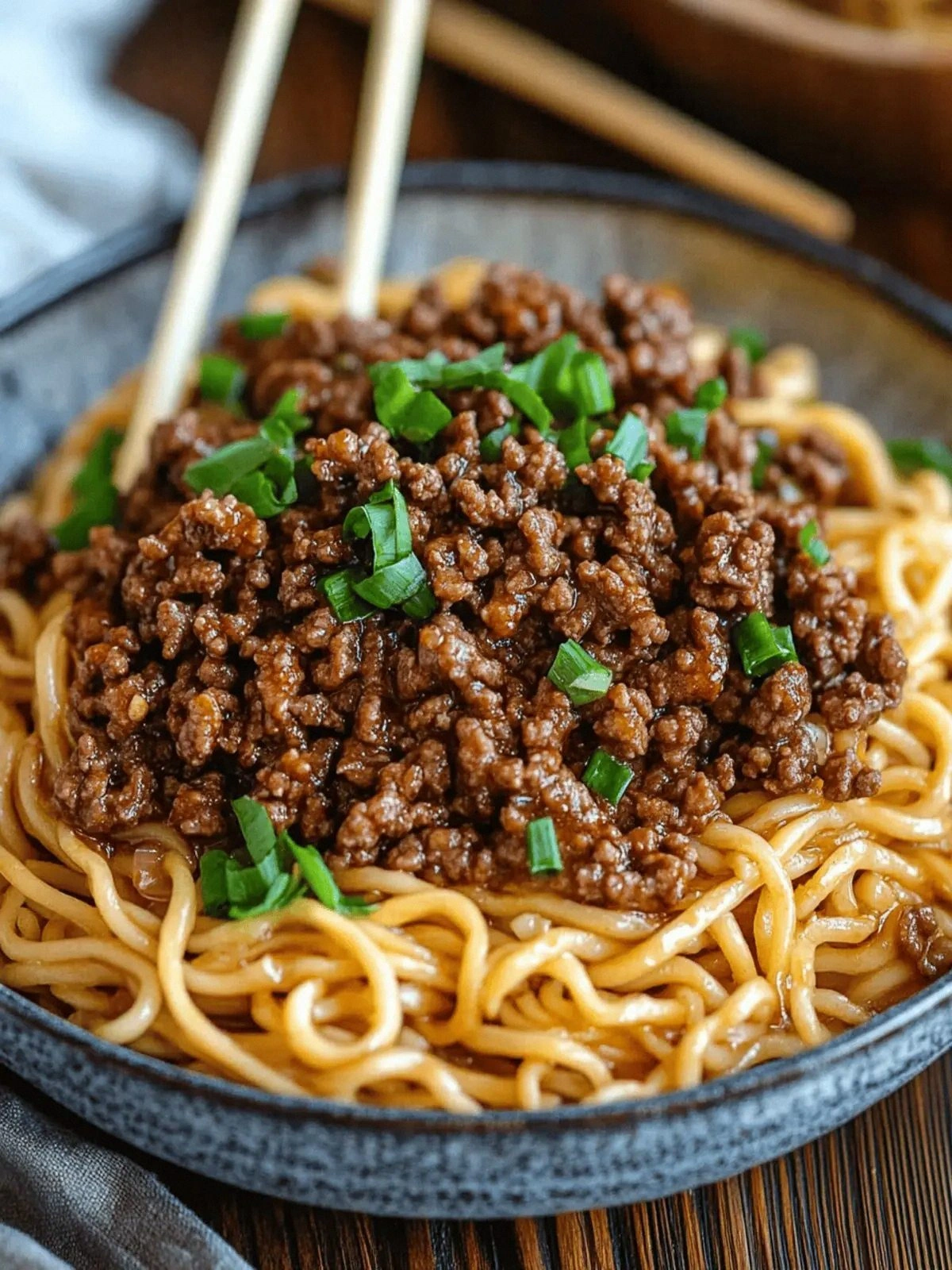
Picture this: the skillet sizzles, a golden crust forms on the beef, and a faint, sweet aroma of caramelized brown sugar dances with the sharp, citrusy bite of ginger. Your eyes are drawn to the glossy sauce coating the noodles like velvet, while the green onions add a fresh, peppery crunch that cuts through the richness. The sound of the garlic sizzling is music, and the first bite is a harmonious blend of salty, sweet, and umami that makes you sigh in contentment. It’s a sensory experience that feels like a warm hug on a cold evening.
What makes this version stand out? I’ve stripped away the fluff and added a few secret twists that most recipes miss. I’ve discovered that using fresh egg noodles instead of instant ones gives the dish that silky texture you crave. The sauce is thickened naturally with a touch of cornstarch, eliminating the need for extra oils. And the final touch? A splash of sesame oil that gives the dish an unmistakable nutty aroma that elevates every bite.
But I’m not just telling you the story—I’m inviting you to taste this and not go back for seconds. I dare you to try it and feel the difference. The moment you taste the first bite, you’ll understand why this is hands down the best version you’ll ever make at home. The sauce coats the noodles like a velvet blanket, and the beef remains tender, not dry. This is the kind of dish that turns a simple dinner into a celebration.
Let me walk you through every single step — by the end, you'll wonder how you ever made it any other way. Stay with me here, and trust me when I say this next part? Pure magic. I promise you’ll be amazed by how simple ingredients can create something so flavorful.
What Makes This Version Stand Out
- Flavor: The sauce is a balanced blend of sweet, salty, and umami, with a hint of citrus from ginger that cuts through the richness of the beef.
- Texture: Fresh egg noodles provide a silky, tender bite that holds up against the sauce, while the beef stays juicy and not rubbery.
- Simplicity: With only seven ingredients, this dish takes less than 30 minutes from start to finish, making it ideal for busy weeknights.
- Uniqueness: A splash of sesame oil and the use of cornstarch for thickening give this version a distinctive depth that most copycats miss.
- Crowd Reaction: Friends who have tried it say it’s “the most satisfying bowl of noodles I’ve ever had,” and they keep coming back for seconds.
- Ingredient Quality: Fresh, high-quality ground beef and real ginger make the difference between a mediocre and a memorable dish.
- Cooking Method: The pan-searing technique locks in flavor and creates a beautiful caramelized crust on the beef.
- Make‑Ahead Potential: The dish holds up beautifully in the fridge and even tastes better the next day, making it a perfect make‑ahead meal.
Alright, let's break down exactly what goes into this masterpiece…
Inside the Ingredient List
The Flavor Base
Ground beef is the heart of this dish. It brings a robust, meaty flavor that pairs perfectly with the sweet soy sauce. Choosing a lean-to-fat ratio of 80/20 gives a good balance of flavor and moisture. If you skip the beef, the dish loses its savory depth; the noodles will taste bland and the sauce will feel thin.
The Texture Crew
Egg noodles are the star of the show. Their soft, chewy texture contrasts beautifully with the crisp edges of the seared beef. If you use dried noodles, cook them al dente to prevent them from becoming mushy when mixed with the sauce. A quick rinse in cold water after boiling stops the cooking process and keeps them firm.
If you’re looking for a gluten‑free alternative, try shirataki noodles. They’re low in carbs and have a slightly rubbery feel that still holds up to the sauce. Just rinse them well to remove the mild fishy odor before adding.
The Unexpected Star
Soy sauce is more than just a salty base; it’s a flavor powerhouse that brings depth and umami. A quarter cup is enough to coat the noodles without overpowering the other ingredients. If you prefer a lighter taste, use low‑sodium soy sauce, but add a pinch more brown sugar to balance the flavors.
The Final Flourish
Green onions add a fresh, peppery bite that brightens the dish. They also provide a pop of color, making the noodles look as good as they taste. If you’re allergic to onions, scallions, or prefer a milder flavor, you can replace them with chopped cilantro or basil for a different aromatic profile.
Everything's prepped? Good. Let's get into the real action…
The Method — Step by Step
- Begin by boiling a pot of salted water for your egg noodles. While the water heats, heat a large skillet over medium‑high heat. Once the water boils, add the noodles and cook for 2–3 minutes until they’re just tender. Drain and set aside, reserving a splash of the pasta water for later. The noodles should still be slightly firm to prevent them from becoming mushy when tossed with the sauce.
- Pat the ground beef dry with paper towels; excess moisture prevents a good sear. Add the beef to the hot skillet and spread it out in an even layer. Let it sit undisturbed for 2 minutes to develop a caramelized crust. Stir, breaking it into smaller pieces, and continue cooking until it’s browned and no longer pink, about 5–7 minutes. This step builds the deep, savory foundation of the dish.
- Add minced garlic and grated ginger to the skillet. Cook for 30 seconds until fragrant, making sure not to burn them. The garlic’s aroma should mingle with the ginger’s citrusy warmth, creating a fragrant base. This brief sauté brings out the essential flavors before the sauce is added.
- Pour in the soy sauce and brown sugar. Stir to combine, then let the mixture simmer for 1–2 minutes. The sugar will dissolve, creating a glossy glaze that coats the beef. Watch the sauce reduce slightly; it should be thick enough to cling to the noodles but still pourable.
- Add a splash of the reserved pasta water and a teaspoon of cornstarch mixed with a tablespoon of cold water. Stir constantly to avoid lumps. The cornstarch thickens the sauce to a silky sheen that envelops each noodle. If you prefer a thinner sauce, reduce the amount of cornstarch or add more pasta water.
- Toss the cooked noodles into the skillet, ensuring each strand is coated with the sauce. Use tongs to mix gently, allowing the noodles to absorb the flavors. The noodles should look glossy and slightly coated with sauce, not drenched.
- Stir in the green onions and a teaspoon of sesame oil. The sesame oil adds a subtle nutty aroma that elevates the dish. The green onions provide a fresh crunch that balances the richness of the beef and sauce.
- Remove the skillet from heat and let the dish sit for a minute. This brief rest allows the flavors to meld together. Serve immediately, garnishing with extra green onions or a drizzle of sesame oil if desired.
- Enjoy your masterpiece! The noodles should be tender, the beef juicy, and the sauce perfectly balanced. I guarantee you’ll taste the difference between a good dish and a great one. That sizzle when it hits the pan? Absolute perfection.
That's it — you did it. But hold on, I've got a few more tricks that'll take this to another level…
Insider Tricks for Flawless Results
The Temperature Rule Nobody Follows
Many cooks lower the heat after searing, but keeping the skillet at medium‑high allows the beef to stay juicy. A quick test: sprinkle a few drops of water; if they sizzle immediately, the temperature is right. If they sputter or steam, lower the heat. This subtle adjustment ensures a tender, not dry, finish.
Why Your Nose Knows Best
Smell the sauce as it simmers. A faint sweet aroma indicates the sugar has caramelized; a sharp, metallic scent means the soy sauce is too strong. Trust your nose to tell you when the balance is perfect. If it smells off, add a splash of water or a pinch more sugar.
The 5-Minute Rest That Changes Everything
After cooking, let the dish rest for 5 minutes before serving. The noodles absorb more sauce, and the flavors meld. I once skipped this step, and the noodles were watery. That 5‑minute pause makes a noticeable difference.
The Secret to a Velvety Sauce
Use a small amount of cornstarch mixed with cold water to thicken the sauce. Stir constantly to avoid clumps. If the sauce thickens too quickly, reduce the heat. The result is a glossy, silky coating that clings to each noodle strand.
The Quick Stir Technique
When adding the noodles, stir vigorously for 30 seconds to coat each strand. This quick motion distributes the sauce evenly and prevents clumping. A gentle stir will leave pockets of sauce, creating an uneven bite.
Creative Twists and Variations
This recipe is a playground. Here are some of my favorite ways to switch things up:
Spicy Sriracha Kick
Add a tablespoon of sriracha to the sauce for a fiery edge. The heat pairs well with the sweet soy sauce, creating a bold flavor profile that excites the palate. Perfect for those who love a little spice in their noodles.
Asian Slaw Twist
Top the dish with shredded cabbage, carrots, and a splash of rice vinegar. The crunchy slaw adds texture and a bright, tangy contrast to the savory noodles. This variation is ideal for a lighter, fresher meal.
Coconut Cream Variation
Replace half the soy sauce with coconut milk to create a creamy, tropical version. The coconut adds a subtle sweetness and a silky mouthfeel that complements the beef. This version is great for a weekend brunch.
Vegetarian Swap
Use crumbled tempeh or tofu instead of ground beef. The protein still absorbs the sauce, while the tofu offers a different texture. This vegetarian option retains the same flavor intensity.
Low‑Carb Noodle Alternative
Swap egg noodles for shirataki or spiralized zucchini. The noodles will be lower in carbs and still soak up the sauce beautifully. Ideal for keto or low‑carb diets.
Storing and Bringing It Back to Life
Fridge Storage
Place the leftovers in an airtight container and refrigerate for up to 2 days. The sauce may thicken in the fridge, so add a splash of water or broth when reheating. Store in a cool, dry place to keep the noodles from becoming mushy.
Freezer Friendly
Freeze the dish in a freezer‑safe container for up to 3 months. Thaw overnight in the refrigerator before reheating. The noodles will retain their texture, and the beef will stay juicy.
Best Reheating Method
Reheat in a skillet over medium heat, adding a tablespoon of water or broth to loosen the sauce. Stir frequently until heated through. Avoid microwaving, as it can make the noodles soggy.
Add a tiny splash of water before reheating — it steams back to perfection, restoring that silky coating that makes each bite irresistible.