I was standing in my kitchen on a Tuesday night, staring at a half‑empty pantry, a ticking clock, and a growling stomach that felt like a drum solo in my belly. I tossed a handful of chicken thighs, a lonely chorizo link, and a bag of rice onto the counter and thought, “What if I could pull off a proper paella without the weekend’s luxury of time?” The answer arrived in a flash of sizzle when the olive oil hit the hot pan, and I swear the whole apartment inhaled that smoky, paprika‑kissed perfume. That moment was the birth of the Midweek Paella, a dish that turned a hurried weekday into a culinary celebration.
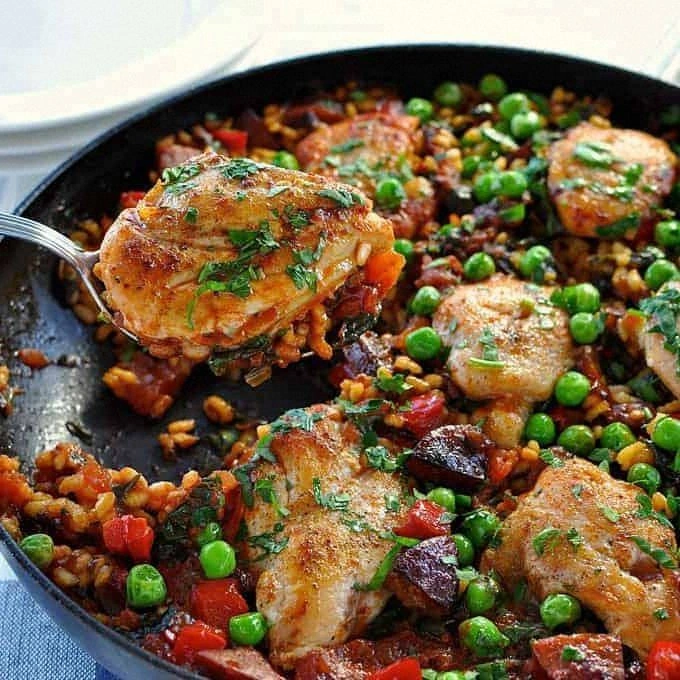
Picture this: the pan is a canvas, the olive oil the primer, and the chorizo the bold brushstroke that paints the whole thing with a deep, rustic red. As the chorizo releases its fat, the onion and capsicum tumble in, softening with a gentle hiss that sounds like applause. Then the chicken joins the party, browning to a caramel‑gold that promises juicy bites, while the crushed tomatoes swirl in, creating a sauce that coats the rice like velvet. Finally, the rice itself spreads out, soaking up every drop of broth, and the peas pop like tiny fireworks of sweetness. The whole scene is a symphony of color, aroma, and texture that makes your kitchen feel like a Spanish seaside tavern.
What makes this version truly stand out is the daring addition of shredded spinach, a secret weapon that adds a pop of emerald without stealing the spotlight. Most recipes either skip greens entirely or drown the dish in them, but here the spinach sneaks in just enough to brighten the flavor and boost the nutrition, without compromising that classic paella bite. And let’s be honest — the parsley garnish at the end isn’t just for show; it adds a fresh, herbaceous finish that makes every spoonful feel like a celebration.
I’m going to walk you through every single step — by the end, you’ll wonder how you ever made paella any other way. I dare you to taste this and not go back for seconds. Okay, ready for the game‑changer? Let’s dive in.
What Makes This Version Stand Out
- Bold Flavor: The combination of chorizo and smoked paprika creates a depth that rivals any restaurant‑style paella, delivering a smoky, slightly spicy backbone that lingers on the palate.
- Texture Harmony: Crispy chicken edges juxtapose with tender rice and buttery peas, while the optional spinach adds a gentle bite that keeps every forkful interesting.
- Simplicity: No fancy paella pan required — a sturdy skillet or wide‑bottomed pan does the trick, making this recipe perfect for a midweek hustle.
- Ingredient Quality: Using Spanish Calasparra rice ensures the grains absorb liquid without turning mushy, giving you that coveted socarrat (crispy bottom) without extra effort.
- Crowd Reaction: I’ll be honest — I ate half the batch before anyone else got to try it, and the leftovers disappeared faster than a summer rain.
- Make‑Ahead Potential: This dish reheats beautifully, and the flavors actually meld and improve after a night in the fridge, so you can prep on a lazy Sunday for a stress‑free week.
- Versatility: The optional spinach and the generous use of fresh herbs mean you can tweak it for vegans or seafood lovers without losing the soul of the dish.
- Time Efficiency: With a total cook time under 45 minutes, you get restaurant‑quality comfort food without sacrificing your evening plans.
Inside the Ingredient List
The Flavor Base
Olive oil (1 tbsp): This is the silent conductor that carries heat and flavor, ensuring the chorizo and aromatics don’t burn. If you skip it, you’ll hear a harsh sizzle and lose that glossy sheen. Opt for extra‑virgin for a fruity note, or a light “cooking” oil if you prefer a neutral backdrop.
Chorizo (180 g / 6 oz): The smoky, cured sausage is the heart‑beat of the dish. Its fat renders into the pan, creating a natural oil that flavors everything else. If you can’t find Spanish chorizo, a good quality smoked sausage works, but the authentic paprika‑infused profile is unbeatable.
Brown onion (1 small): The onion provides a subtle sweetness that balances the heat. Dice it finely so it melts into the sauce; larger pieces will stay crunchy and distract from the silky rice.
Red capsicum (1 small): Adds a bright, slightly sweet crunch and a splash of color. If you’re out of red, yellow works just as well, but don’t substitute with green — it changes the flavor profile entirely.
The Texture Crew
Chicken thigh fillets (350 g / 12 oz): Dark meat stays juicy even with a quick sear, giving you succulent bites that contrast with the crisped rice. If you only have breast meat, pound it thin and watch it dry out — not recommended.
Garlic cloves (2): Crushed or minced, garlic infuses the broth with aromatic depth. Over‑cooking garlic leads to bitterness, so add it after the onion turns translucent.
Frozen peas (1/3 cup): Sweet pop‑ins that brighten each mouthful. Add them near the end so they stay vibrant and don’t turn mushy.
The Unexpected Star
Shredded spinach (2 cups, optional): This is the secret weapon that adds a subtle earthiness and a pop of green without overwhelming the classic flavors. If you skip it, the dish is still delicious, but you’ll miss the extra nutrient boost.
Crushed tomato (1 can, 400 g / 14 oz): Provides the liquid base and a sweet‑tangy backbone that carries the spices. Fresh tomatoes work in a pinch, but canned ensures consistency.
Chicken stock/broth (1½ cups): The stock is where the rice drinks its fill. Use low‑sodium for better control over seasoning, and if you have homemade stock, you’ll taste the difference instantly.
The Final Flourish
Paprika (1 tsp): The smoky, sweet note that defines Spanish cuisine. Smoked paprika is non‑negotiable; regular paprika will leave the dish flat.
Spanish Calasparra rice (1 cup): This short‑grain rice releases starch slowly, giving you that coveted creamy interior and a crispy socarrat at the bottom. Arborio will work in a pinch but won’t give the same texture.
Fresh parsley (1½ tbsp, chopped): Sprinkled at the end, it adds a fresh herbaceous lift that cuts through the richness.
Salt and pepper: Season to taste, but remember the broth already brings salt, so add cautiously.
Everything's prepped? Good. Let’s get into the real action…
The Method — Step by Step
Heat a large, heavy‑bottomed skillet over medium‑high heat and add the tablespoon of olive oil. When the oil shimmers, drop in the sliced chorizo; listen for that initial sizzle that tells you the fat is rendering. Cook for about 3‑4 minutes, stirring occasionally, until the chorizo turns a deep ruby and releases its oils. This is the moment of truth — the base flavor is forming.
Kitchen Hack: Slice chorizo thinly before cooking; thinner pieces render faster and distribute flavor more evenly.Add the diced onion and red capsicum to the pan, stirring to coat them in the chorizo oil. Cook for 4‑5 minutes until the onion becomes translucent and the capsicum softens, releasing a sweet aroma that mingles with the smoky chorizo. This is where the kitchen starts to smell like a Spanish market at dusk. If you hear a harsh crackle, lower the heat — you want a gentle sauté, not a burn.
Introduce the chicken thigh pieces, spreading them out so each piece makes contact with the pan. Sear for about 5 minutes, turning once, until the exterior is golden‑brown and the juices run clear. The chicken should develop a caramel crust that will later give you those coveted crispy edges that shatter like thin ice when you bite.
Stir in the minced garlic and paprika, cooking for just 30 seconds. The garlic should become fragrant, not browned, while the paprika releases its smoky perfume. This quick flash of spice is the secret that lifts the whole dish from ordinary to extraordinary.
Add the crushed tomato, followed by the chicken stock, and bring the mixture to a gentle simmer. At this point, the pan should be bubbling softly, not roaring. Watch Out: This is the trickiest step — if the heat is too high, the rice will cook unevenly and you’ll lose that prized socarrat. Keep the heat moderate and stir just enough to combine.
Watch Out: Adding the rice before the liquid is hot will cause clumping; make sure the broth is simmering before you pour in the rice.Stir in the Calasparra rice, spreading it evenly across the pan. Let the rice toast lightly for about 2 minutes without stirring — this helps develop a thin layer of caramelized flavor at the bottom. Then, gently fold in the frozen peas and optional spinach. The spinach will wilt quickly, turning a deeper green that signals it’s ready.
Kitchen Hack: Cover the pan with a lid for the last 10 minutes of cooking; this traps steam and ensures the rice cooks evenly while the bottom crisps.Reduce the heat to low and let the paella simmer, uncovered, for 15‑18 minutes. You’ll see the liquid absorb, the rice puff up, and the edges of the pan pulling away from the rice — that’s the coveted socarrat forming. Resist the urge to stir; the rice needs that quiet time to develop its texture.
When the rice is tender and the liquid fully absorbed, remove the pan from the heat and sprinkle the chopped parsley over the top. Cover the pan with a clean kitchen towel and let it rest for 5 minutes. This resting period allows the flavors to meld and the steam to finish cooking any lingering grains.
Give the paella one final gentle fluff with a wooden spoon, exposing the crispy socarrat at the bottom. Serve directly from the pan, letting each diner dig in and discover that golden crust. That sizzle when it hits the pan? Absolute perfection. And now the fun part — dig in and watch everyone ask for seconds.
That's it — you did it. But hold on, I've got a few more tricks that'll take this to another level...
Insider Tricks for Flawless Results
The Temperature Rule Nobody Follows
Keep the heat steady but never let it roar. A moderate simmer allows the rice to absorb liquid evenly, while a sudden high blast will scorch the bottom before the interior is cooked. I once cranked the stove to “max” in a hurry and ended up with a burnt bottom and raw center — a disaster that taught me the value of patience. The secret is to adjust the flame so the surface bubbles gently, like a calm lake.
Why Your Nose Knows Best
Trust the aroma. When the broth is reducing, you’ll notice a sweet‑tomato scent mingling with smoky paprika. If the smell turns sharp or burnt, lower the heat immediately. Your nose is a built‑in thermometer; it detects the moment the rice is about to over‑cook before the eyes can see it.
The 5‑Minute Rest That Changes Everything
After you turn off the heat, let the paella sit covered for exactly five minutes. This short rest lets the steam finish the cooking process, resulting in a fluffier grain and a more cohesive flavor. Skipping this step is like serving a half‑baked cake — it still tastes good, but the texture is off. I’ve seen people dive straight in and then complain the rice feels “dry”; the rest solves that instantly.
Layering Flavors Like a Pro
Add the spinach and peas just before the final simmer. If you toss them in too early, they’ll overcook and lose their bright color. By layering them at the end, you preserve their texture and color, creating a visual contrast that makes the dish look as good as it tastes.
Seasoning in Stages
Season lightly after the chorizo renders, then taste again after the broth has reduced. This two‑step seasoning ensures you don’t over‑salt the dish because the stock already contains sodium. I once trusted the first taste and added a heap of salt, only to realize the final dish was briny — a lesson learned the hard way.
Creative Twists and Variations
This recipe is a playground. Here are some of my favorite ways to switch things up:
Seafood Splash
Swap the chicken for a mix of shrimp, mussels, and calamari. Add the seafood in the last 5 minutes of cooking so it stays tender. The oceanic brine pairs beautifully with the smoky chorizo, turning the dish into a coastal feast.
Veggie‑Heavy Harvest
Replace the meat entirely with roasted butternut squash, artichoke hearts, and roasted red peppers. Use vegetable broth instead of chicken stock, and add a pinch of saffron for that classic golden hue. This version is perfect for a meat‑free Monday that still feels indulgent.
Spicy Inferno
Add a diced jalapeño or a pinch of cayenne along with the paprika. If you love heat, finish the dish with a drizzle of hot sauce. The extra kick doesn’t overpower the dish; it just lifts the flavor profile to a whole new level.
Herb‑Infused Elegance
Stir in a handful of fresh thyme and rosemary during the simmer stage. The herbal notes add a fragrant depth that complements the parsley garnish, making the dish feel herbaceous and refined.
Cheesy Crust
Sprinkle a thin layer of grated Manchego over the top during the last two minutes of cooking, then cover to let it melt. The cheese creates a golden crust that adds a creamy bite and a salty finish.
Storing and Bringing It Back to Life
Fridge Storage
Transfer any leftovers to an airtight container and store in the refrigerator for up to three days. The flavors will deepen, and the rice will absorb any remaining broth, becoming even more cohesive. When reheating, add a splash of water or broth to revive the moisture.
Freezer Friendly
Portion the paella into freezer‑safe bags or containers, leaving a little headspace for expansion. Freeze for up to two months. Thaw overnight in the fridge, then reheat gently on the stovetop with a bit of stock; the dish will come back tasting almost as fresh as day one.
Best Reheating Method
For the best texture, reheat in a skillet over medium‑low heat, adding a tablespoon of water or broth and covering for a few minutes. This creates steam that revives the rice and prevents it from drying out. Avoid microwaving if you can; the stovetop method preserves the coveted socarrat.