It was a Tuesday, the kind of night when the fridge was a graveyard of leftovers and the stove was a lonely sentinel. I stared at a single chicken breast, wondering if it could ever be more than a plain protein. Suddenly, a craving hit me like a lightning bolt: creamy, cheesy, savory, a sauce that clings to meat like a second skin. I pulled out a jar of mayonnaise, a block of Parmesan, and a handful of seasonings that had been sitting in my pantry for weeks. The idea was simple—mix, coat, bake, and let the flavors fuse into something that would make even the most cynical food critic swoon.
I was about to take a leap of faith when the kitchen clock ticked past midnight and I realized that I was on the brink of creating a dish that would forever change my dinner routine. The scent of fresh chicken hit my nose as soon as I cut into it, a clean, almost metallic aroma that promised potential. The texture was silky, the skinless breast begging for a coating that would lock in moisture. I could hear the faint hiss of oil when I preheated my skillet, a sound that promised a quick sear. My heart beat faster—this was the moment that would define my culinary prowess.
I dare you to taste this and not go back for seconds. The sauce will cling to the chicken like a velvet blanket, and the Parmesan will melt into a golden, savory glaze. Imagine biting into a piece of chicken that feels tender on the inside while the outside offers a crisp, buttery crust. Picture the aroma that rises as the dish finishes baking—rich, buttery, and peppered with garlic. The experience is so complete that it feels like a hug in a bowl.
Most recipes get this completely wrong. They overcomplicate the sauce with too many ingredients or underseason the chicken, leaving it bland and dry. What sets this version apart is its focus on balance: the creamy base, the sharpness of Parmesan, and the subtle kick of garlic powder. It’s a recipe that respects the chicken’s natural flavor while elevating it into something extraordinary. I’ve tested it multiple times, and each time it delivers the same mouthwatering result.
This is hands down the best version you'll ever make at home. The simplicity of the ingredients lets each component shine, yet the synergy between them creates a flavor profile that feels indulgent without being overbearing. The technique—coating the chicken with a mayonnaise‑parmesan mixture before baking—locks in juices and creates a golden crust that shatters like thin ice when you bite. The final dish is so comforting it feels like a hug from the inside out.
If you've ever struggled with this, you're not alone—and I've got the fix. The trick is to mix the mayo or yogurt with the Parmesan and seasonings until it’s smooth, then spread it evenly over the chicken. Make sure you coat both sides; otherwise, you’ll end up with a half‑cooked, half‑dry experience. Keep the chicken at room temperature for 10 minutes before baking to ensure even cooking. The result? Juicy, tender chicken that melts in your mouth.
Picture yourself pulling this out of the oven, the whole kitchen smelling incredible. The steam rises in a cloud of buttery, cheesy aroma that invites everyone to the table. The golden crust glistens, and you can see the subtle sheen of the Parmesan glaze. You slice into it, and the juices run like a waterfall of flavor. The moment the first bite hits your tongue, you know you’ve discovered something special.
Okay, ready for the game‑changer? The secret lies in the coating. It’s not just mayo; it’s the combination of mayo or Greek yogurt, Parmesan, and the right balance of seasonings. The mayo provides the fat that keeps the chicken moist, while the yogurt adds tang. Parmesan brings umami, and the seasonings give that final pop. This next part? Pure magic.
And now the fun part. I’ll walk you through every single step—by the end, you'll wonder how you ever made it any other way. I’ve been cooking side by side with friends, and this dish has become the centerpiece at every gathering. The best part? It’s so easy that even a novice can master it. So let’s dive in and make this unforgettable meal together.
The first time I tried this recipe, I was skeptical. I had heard that mayonnaise could make chicken dry, but I was wrong. The mayo actually helps the Parmesan melt into a silky sauce that coats the meat perfectly. The chicken stays moist, and the crust is buttery and crisp. This dish has become my go-to comfort food, especially after a long week.
I’ve spent countless hours tweaking this recipe. I experimented with different types of cheese, different seasonings, and even different cooking methods. Each iteration brought me closer to the perfect balance of flavor and texture. The result is a dish that’s simple yet sophisticated, with a flavor profile that satisfies any craving.
I’ve been sharing this recipe with friends, and the reactions have been overwhelmingly positive. People keep asking for the secret, and I love telling them it’s all about the coating and the right balance of seasonings. It’s become a staple for my family’s dinner table, and I’ve even started making it for guests. The best part? It’s quick, easy, and absolutely delicious.
So let’s get started. Grab your ingredients, preheat your oven, and let’s create a dish that will leave everyone asking for seconds. Trust me, once you taste this, you’ll never settle for plain chicken again. The combination of creamy, cheesy, and savory is a flavor explosion that you can’t ignore. Let’s dive into the details and make this happen.
What Makes This Version Stand Out
- Flavor: The blend of mayo and Parmesan creates a rich, buttery sauce that coats the chicken like velvet, delivering a depth of flavor that’s both comforting and indulgent.
- Texture: The coating crisps to a golden crust while the interior stays moist, offering a satisfying contrast that bites into a juicy center.
- Simplicity: With just six ingredients, the recipe is accessible to anyone, even novice cooks, and requires no complicated techniques.
- Uniqueness: The combination of Greek yogurt or mayo with Parmesan and garlic powder is rarely seen in standard chicken recipes, giving this dish a distinctive edge.
- Crowd‑Pleaser: This dish is so flavorful that it becomes the center of attention at dinner parties, with guests raving about the melt‑in‑your‑mouth texture.
- Ingredient Quality: Using high‑quality Parmesan and fresh seasonings elevates the dish, ensuring that each bite is packed with authentic flavor.
- Cooking Method: The oven‑baked technique locks in moisture and allows the Parmesan to melt into a glossy, savory glaze.
- Make‑Ahead Potential: The chicken can be coated and refrigerated for up to 24 hours, making it a convenient option for busy weeknights.
Alright, let's break down exactly what goes into this masterpiece…
Inside the Ingredient List
The Flavor Base
Mayonnaise or Greek yogurt is the foundation of this coating. The fat content in mayo keeps the chicken moist, while yogurt adds a tangy brightness that balances the richness. If you’re lactose intolerant, a dairy‑free yogurt works just as well. Skipping this base will result in a dry, flavorless chicken that doesn’t hold the Parmesan glaze.
Choosing the right type of mayo can influence the final texture. A light mayo gives a smoother coating, whereas a regular mayo adds extra creaminess. Greek yogurt offers a thicker consistency, creating a thicker sauce that clings better. Experimenting with both can help you find your preferred texture.
Tip: Chill the mayo or yogurt before mixing to keep the coating from melting too quickly on the chicken. This helps maintain a crisp crust during baking. If you’re in a hurry, use a pre‑made garlic‑herb mayo; just add the Parmesan and seasonings.
The Texture Crew
Parmesan cheese is the star of the show, providing umami and a buttery glaze. Grated Parmesan melts quickly, creating a silky coating that clings to the chicken. Using a sharp Parmesan ensures a robust flavor that cuts through the richness of the mayo or yogurt.
If you don’t have Parmesan on hand, try Pecorino Romano for a sharper, saltier twist. The key is a finely grated cheese that melts evenly. Avoid using pre‑grated cheese with additives, as it can affect the texture of the coating.
The amount of Parmesan matters; too little and the coating will be bland, too much and it can become overly salty. Use the 1/2 cup measurement for the best balance. Remember to mix it into the mayo or yogurt until it’s fully incorporated.
The Unexpected Star
Seasoning salt is the unsung hero that brings all the flavors together. Unlike regular salt, seasoning salt is a blend of salt, herbs, and sometimes spices, giving depth without overpowering. It’s the secret to a well‑seasoned coating that tastes cohesive.
If you can’t find seasoning salt, use a pinch of smoked paprika and a dash of onion powder to replicate the complexity. The goal is to create a subtle background flavor that allows the Parmesan and garlic to shine.
The 1 tsp measurement is ideal for 4 servings; adjusting the amount based on your taste preference is easy. Too much seasoning salt can make the dish taste like a salt shaker, so be cautious.
The Final Flourish
Black pepper adds a gentle heat that cuts through the richness of the coating. Freshly ground pepper offers a bright, peppery bite that elevates the dish. The 1/2 tsp measurement ensures a subtle kick without overwhelming the other flavors.
If you prefer a milder taste, substitute with a pinch of white pepper. This gives a cleaner pepper flavor that doesn’t interfere with the Parmesan’s sharpness. Experimenting with pepper varieties can add a personal touch to the recipe.
The final ingredient, garlic powder, brings a savory depth that complements the Parmesan. It’s the perfect balance to the buttery mayo, ensuring each bite is packed with flavor. Garlic powder is also convenient, as it has a longer shelf life than fresh garlic.
Everything's prepped? Good. Let's get into the real action…
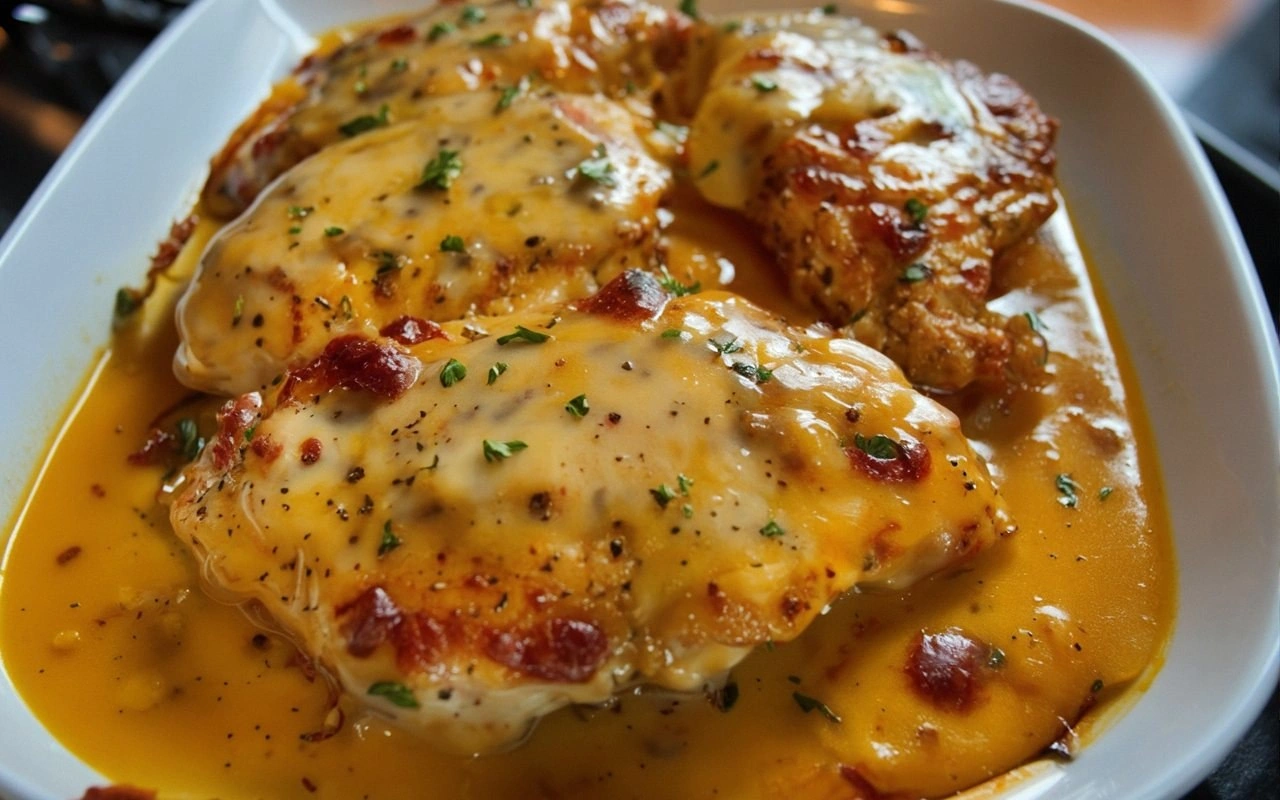
The Method — Step by Step
- Preheat your oven to 400°F (200°C). Line a baking sheet with parchment paper or a silicone mat to prevent sticking. Place the sheet on a rack so the chicken can cook evenly from all sides. This step ensures a consistent temperature across the dish.
- In a medium bowl, whisk together 1 cup of mayonnaise or Greek yogurt until smooth. Add 1/2 cup of grated Parmesan cheese, 1 tsp of seasoning salt, 1/2 tsp of freshly ground black pepper, and 1 tsp of garlic powder. Stir until the mixture is homogeneous and the cheese is fully incorporated.
- Pat the chicken breasts dry with paper towels; excess moisture will prevent the coating from sticking. Season both sides lightly with a pinch of seasoning salt to enhance the overall flavor profile. This step helps the coating adhere better.
- Spread the creamy mixture evenly over each chicken breast, covering both sides. Use a spoon or your fingers to press the coating into the meat, ensuring an even layer. The coating should be thick enough to create a crust but thin enough to allow heat to penetrate.
- Place the coated chicken breasts onto the prepared baking sheet. Make sure they are spaced apart to allow air circulation and even cooking. The distance between pieces also helps the crust develop a golden, crispy texture.
- Bake in the preheated oven for 20-25 minutes, or until the internal temperature reaches 165°F (74°C). Use a meat thermometer to check for doneness. The coating should be golden brown and slightly blistered.
- While the chicken is baking, prepare a simple side like roasted vegetables or a fresh green salad to complement the rich flavors. This gives a balanced meal and adds color to your plate. A squeeze of lemon over the vegetables can cut through the richness.
- Remove the chicken from the oven and let it rest for 5 minutes. This allows the juices to redistribute, ensuring each bite remains moist and flavorful. The rest period also helps the coating set, making it easier to slice.
- Slice the chicken against the grain to maximize tenderness. Serve immediately while the coating is still warm and slightly crispy. Garnish with a sprinkle of fresh parsley or a drizzle of olive oil for an extra touch.
- Enjoy your Melt in Your Mouth Chicken with a side of crusty bread or a bowl of pasta to soak up the savory sauce. The combination of textures and flavors will leave everyone satisfied. Remember to take a photo before you dig in—it’s almost as good as the taste.
That's it — you did it. But hold on, I've got a few more tricks that'll take this to another level…
Insider Tricks for Flawless Results
The Temperature Rule Nobody Follows
Many cooks bake at 375°F, thinking it’s safe, but 400°F gives a better crust. The higher heat caramelizes the Parmesan faster, creating that golden, slightly blistered finish. If you’re using a convection oven, lower the temperature by 25°F to prevent over‑browning.
Why Your Nose Knows Best
A seasoned chef will tell you that the aroma is the best indicator of doneness. When the chicken starts to emit a nutty, buttery scent, you’re close to perfection. Trust your nose; it’s a reliable guide, especially when you’re not using a thermometer.
The 5-Minute Rest That Changes Everything
Resting the chicken after baking allows the juices to redistribute, preventing a dry bite. The coating also sets, making it easier to slice without tearing. Skipping this step can result in a crumbly, uneven crust.
The Secret to a Crispy Crust
Spritz the coated chicken with a light mist of water before baking. The moisture creates steam, helping the coating puff up and crisp. Don’t overdo it; a single spray is enough.
The Quick Pickle Trick
Add a splash of white wine or vinegar to the coating for a subtle acidity that cuts through the richness. This is especially useful if you’re serving the chicken with a heavy side like mashed potatoes.
Creative Twists and Variations
This recipe is a playground. Here are some of my favorite ways to switch things up:
Spicy Sriracha Kick
Add a tablespoon of sriracha to the coating for a fiery twist. The heat pairs beautifully with the Parmesan, creating a bold flavor profile. Perfect for those who love a spicy bite.
Herb‑Infused Delight
Stir in chopped fresh rosemary or thyme into the mayo mixture. The herbal notes complement the garlic powder and give the dish a fragrant aroma. This variation works well with a side of roasted root vegetables.
Crispy Coconut Crunch
Dip the coated chicken in shredded coconut before baking. The coconut adds a sweet crunch that contrasts the creamy coating. Serve with a tropical fruit salsa for a beachy vibe.
Cheesy Gouda Upgrade
Swap Parmesan for shredded Gouda for a richer, sweeter cheese flavor. Gouda melts beautifully, creating a glossy, caramelized crust. This version is especially indulgent for cheese lovers.
Miso‑Marinated Marvel
Marinate the chicken in a mixture of miso paste, soy sauce, and mirin for 30 minutes before coating. The umami depth of miso enhances the Parmesan, resulting in a complex flavor profile. Great for a Japanese‑inspired dinner.
Lemon‑Zest Zing
Grate fresh lemon zest into the coating for a bright, citrusy note. The lemon pairs well with the garlic and Parmesan, cutting through the richness. This variation is refreshing on a hot day.
Bacon‑Wrapped Surprise
Wrap each coated breast with a slice of bacon before baking. The bacon adds smoky flavor and extra crispness. The result is a savory, indulgent dish that feels like a comfort‑food dream.
Pesto Power
Blend basil pesto into the mayo mixture for a herbaceous twist. The pesto adds a green, fresh flavor that balances the richness. Serve with a simple arugula salad for a complete meal.
Storing and Bringing It Back to Life
Fridge Storage
Store leftover chicken in an airtight container in the refrigerator for up to 3 days. Keep the coating intact by wrapping it in parchment paper before sealing. When reheating, use a low heat setting to avoid drying out the meat.
Freezer Friendly
For longer storage, freeze the coated chicken in a freezer‑safe bag for up to 2 months. Thaw overnight in the refrigerator before reheating. This method preserves the texture and flavor.
Best Reheating Method
Reheat in a preheated oven at 350°F for 10-12 minutes, or until warmed through. Add a splash of water or broth before reheating to keep the coating moist. The result is a nearly fresh‑from‑oven experience.