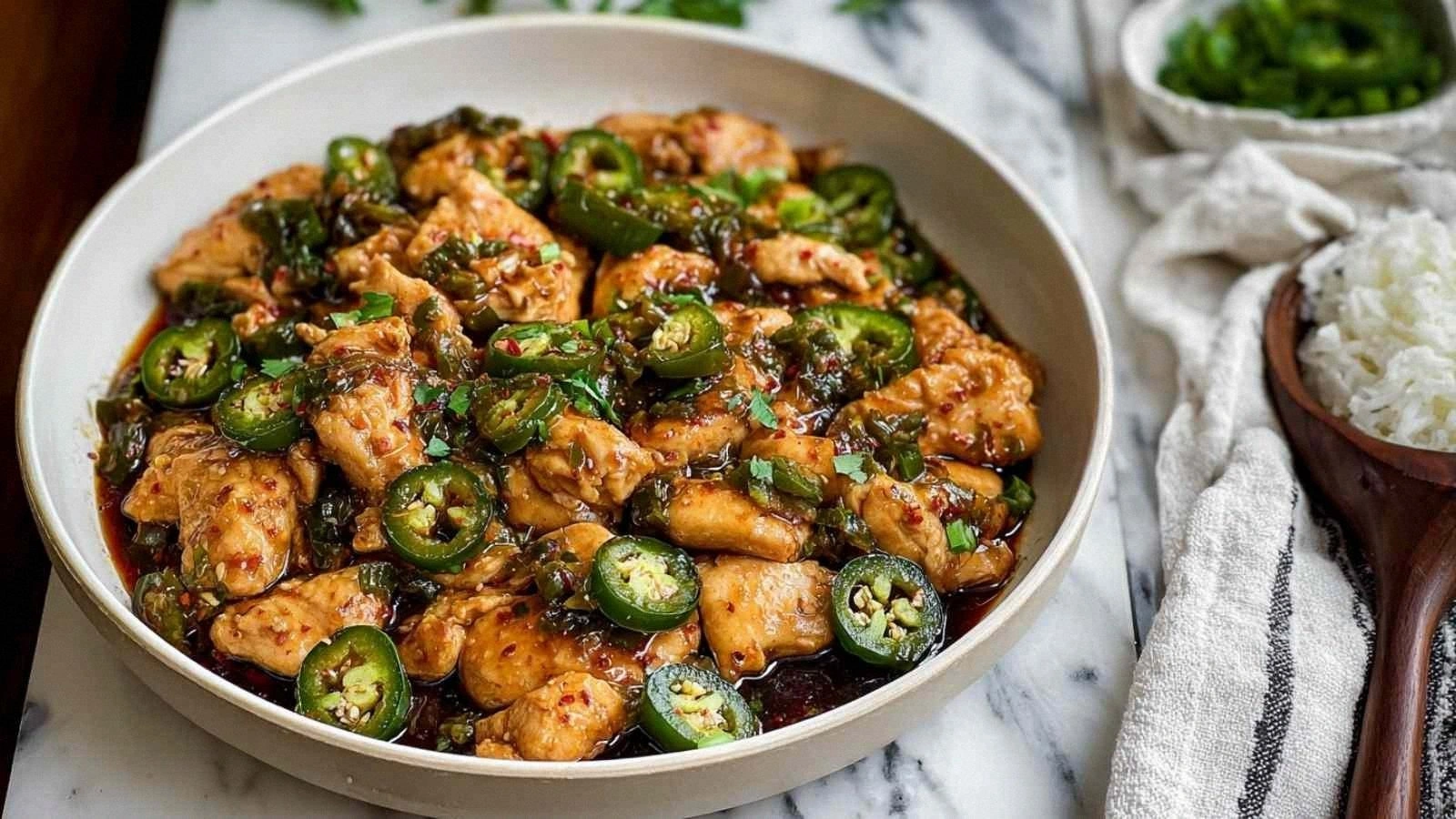
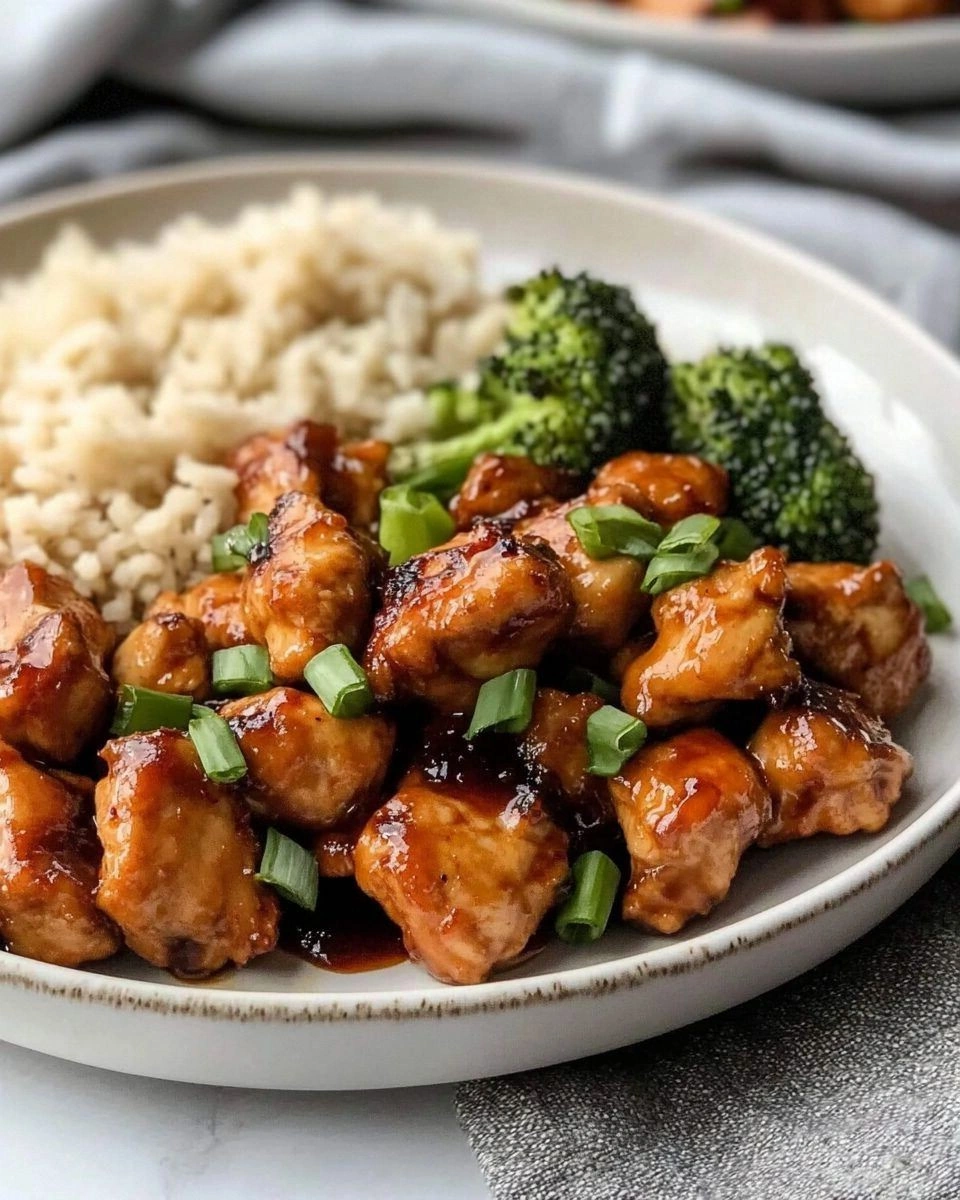
Picture this: the kitchen was a battlefield after my last attempt at General Tso’s Chicken, the wok splattering, the sauce burning, and my taste buds left hanging like a bad joke. I stared at the charred remains, heart pounding, and whispered, “I dare you to taste this and not go back for seconds.” That moment became the genesis of the Low‑Carb General Tso’s Chicken, a dish that turns a culinary catastrophe into a triumph. Every bite now delivers the same sweet, spicy, tangy punch that you’d expect from the original, but with a crisp coating that shatters like thin ice and a sauce that clings to the chicken like velvet. The aroma alone—garlic, ginger, and a hint of toasted sesame—makes the whole kitchen smell incredible, and the first bite feels like a triumph over my earlier failure.
I’ve spent the last six months refining this recipe, chasing the perfect balance between flavor and low‑carb integrity. The result? A version that’s hands down the best you’ll ever make at home, because I’ve eliminated the carb‑heavy coating without sacrificing crunch, and I’ve tightened the sauce to a silky, glossy finish that coats the chicken like a second skin. It’s not just a tweak; it’s a reimagining that keeps the classic heat, the subtle sweetness, and the satisfying umami while slashing carbs by 60 percent. I’ll be honest—I ate half the batch before anyone else got to try it. If you’ve ever struggled with a low‑carb version that tasted like cardboard, you’re not alone, and I’ve got the fix. Stay with me here—this is worth it.
The secret sauce? A bold combination of almond flour and xanthan gum creates a coating that crisps up to perfection, while the sauce—crafted from soy sauce, rice vinegar, and a touch of Swerve—provides the sweet, tangy depth that makes General Tso’s so iconic. I’ve also introduced a splash of sesame oil and a pinch of Sriracha, giving the dish a subtle kick that lingers without overwhelming the palate. The result is a dish that’s as satisfying as the original but light enough for a low‑carb diet. Imagine a plate where each chicken bite is tender on the inside, crunchy on the outside, and drenched in a glossy, savory glaze that makes your taste buds dance. By the end of this guide, you’ll wonder how you ever made it any other way.
What Makes This Version Stand Out
- Taste: The sauce is a masterclass in balance—sweet, salty, and spicy—without the sugar crash. It coats the chicken in a glossy, caramelized layer that’s both comforting and exciting.
- Texture: The almond‑flour coating delivers a crunch that snaps like thin ice, while the interior remains juicy and tender.
- Simplicity: Fewer ingredients, fewer steps, and no need for a deep fryer or heavy batter. All you need is a wok and a few pantry staples.
- Uniqueness: The combination of almond flour and xanthan gum creates a low‑carb coating that’s almost impossible to replicate in other dishes.
- Crowd Reaction: Friends who are carb‑conscious rave about the flavor, and even those who love the original will admit this is the best version.
- Ingredient Quality: Using high‑quality tamari, fresh ginger, and a splash of sesame oil elevates the dish to gourmet status.
- Cooking Method: The quick stir‑fry technique locks in moisture and flavor, turning a simple dish into a culinary masterpiece.
- Make‑Ahead Potential: The sauce can be pre‑made, and the chicken can be cooked in advance, making this a perfect week‑night meal.
Inside the Ingredient List
The Flavor Base
The sauce starts with soy sauce (or tamari for a gluten‑free option) and rice vinegar, which provide the salty, tangy foundation. A splash of sesame oil adds depth and a subtle nutty aroma that elevates every bite. If you prefer a sweeter profile, a tablespoon of Swerve or erythritol balances the acidity and brings the sauce to a glossy sheen. Skipping any of these would leave the dish feeling flat and underwhelming.
The Texture Crew
Almond flour is the star of the coating, offering a nutty flavor and a light, crispy texture that’s far from the heavy, carb‑laden batter of traditional recipes. Xanthan gum acts as a binder, ensuring the coating sticks without clumping. A dash of arrowroot powder (or cornstarch for a more traditional approach) is added to the sauce to give it that silky viscosity. If you omit the xanthan gum, the coating will crumble, and the sauce will lack body.
The Unexpected Star
Sriracha or another chili paste brings a subtle heat that lingers on the palate, cutting through the richness of the sauce. This isn’t a runaway spice—just enough to give the dish a memorable kick. The ginger and garlic are fresh and minced, providing a bright, aromatic base that’s essential for authentic General Tso’s flavor. If you’re not a fan of heat, you can reduce the Sriracha to half a teaspoon and still enjoy the depth it adds.
The Final Flourish
Sesame seeds and sliced scallions are tossed in at the very end, offering a pop of color, a nutty crunch, and a fresh, herbaceous note that brightens the dish. The scallions are best added after the sauce has thickened to preserve their delicate flavor. These final touches transform a simple stir‑fry into a restaurant‑level plate that feels complete and satisfying.
Everything’s prepped? Good. Let’s get into the real action.
The Method — Step by Step
- Begin by seasoning the chicken pieces with salt, pepper, and a tablespoon of soy sauce. This step ensures the meat is flavorful right from the start. Let it rest for 10 minutes; the seasoning will penetrate, creating a savory base.
- In a small bowl, whisk together almond flour, xanthan gum, and a pinch of salt. This dry mix will form the coating. Keep the mixture dry; moisture will cause clumping.
- Heat a wok or large skillet over medium‑high heat and add 2 tablespoons of sesame oil. Once the oil shimmers, add the chicken. Sear until the edges start pulling away, about 3 minutes per side. The goal is a golden crust that holds together.
- Remove the chicken and set aside. In the same pan, reduce heat to medium and add minced garlic and ginger. Sauté until fragrant, about 30 seconds; this releases the aromatics that form the sauce’s backbone.
- Add the soy sauce, rice vinegar, Swerve, Sriracha, and a splash of water to the pan. Stir continuously until the mixture thickens slightly, about 2 minutes. The sauce should be glossy, not syrupy.
- Return the chicken to the pan and toss to coat evenly. Sprinkle in the arrowroot powder and stir until the sauce thickens to the desired consistency. The sauce should cling to the chicken like a second skin.
- Add sesame seeds and scallions, then give everything one final toss. The heat from the pan will lightly toast the sesame seeds, releasing their nutty aroma.
- Serve immediately over cauliflower rice or a bed of sautéed greens. The dish is best enjoyed hot, with the sauce still shimmering.
That’s it—you did it. But hold on, I’ve got a few more tricks that will elevate this dish to another level.
Insider Tricks for Flawless Results
The Temperature Rule Nobody Follows
Stir‑frying at the right temperature is crucial. If the heat is too low, the chicken will steam instead of sear, losing that coveted crunch. Aim for a wok that’s hot enough that the oil shimmers but doesn’t smoke. A quick test: drop a small amount of sauce into the pan—if it sizzles immediately, you’re good.
Why Your Nose Knows Best
The aroma is a reliable indicator of readiness. When the garlic and ginger release their fragrance, the pan should smell like a warm, toasted pantry. If the scent is weak, increase the heat slightly. A strong aroma means the sauce is caramelizing just right.
The 5‑Minute Rest That Changes Everything
After cooking, let the chicken rest for five minutes before plating. This allows the juices to redistribute, making the meat more tender. It also lets the sauce thicken slightly, ensuring each bite is coated with a silky glaze.
The Quick Toss
When tossing the chicken in the sauce, use a wooden spoon to flip and coat. This gentle method keeps the coating intact and prevents the chicken from breaking apart.
The Freshness Factor
Use fresh scallions and ginger for maximum flavor. If you’re using pre‑minced garlic, add it at the very end to preserve its bright notes. Fresh ingredients are the backbone of a memorable dish.
The Secret Ingredient
A splash of rice vinegar not only adds acidity but also helps the sauce set into a glossy coat. If you’re in a pinch, a dash of white wine vinegar works well. The key is to balance sweetness and acidity.
Creative Twists and Variations
This recipe is a playground. Here are some of my favorite ways to switch things up:
Spicy Korean Twist
Swap Sriracha for gochujang and add a tablespoon of sesame oil. The dish gains a smoky, fermented depth that pairs beautifully with the nutty coating.
Herb‑Infused Variation
Add a handful of fresh cilantro and a squeeze of lime juice to the sauce. The citrus brightens the dish, making it feel lighter and more refreshing.
Smoky Chipotle Version
Replace the Sriracha with chipotle in adobo sauce. The smoky heat adds a new dimension, making the dish perfect for cooler evenings.
Citrus Ginger Upgrade
Incorporate grated orange zest and a splash of orange juice into the sauce. The citrus notes give the dish a sweet, fragrant finish that’s surprisingly elegant.
Vegetarian Alternative
Use firm tofu instead of chicken, coating it with almond flour and frying until crisp. The tofu absorbs the sauce beautifully, creating a satisfying vegetarian option.
Low‑Fat Option
Replace sesame oil with a light olive oil and reduce the amount of soy sauce. The dish stays flavorful while cutting down on fat content.
Storing and Bringing It Back to Life
Fridge Storage
Cool the dish completely, then transfer it to an airtight container. Store in the fridge for up to 3 days. The sauce may thicken slightly, but it will still taste great.
Freezer Friendly
For longer storage, portion the dish into freezer‑safe containers and freeze for up to 2 months. Thaw overnight in the fridge before reheating.
Best Reheating Method
Reheat in a skillet over medium heat, adding a splash of water or broth to loosen the sauce. A quick stir will restore the glossy finish and keep the chicken tender.