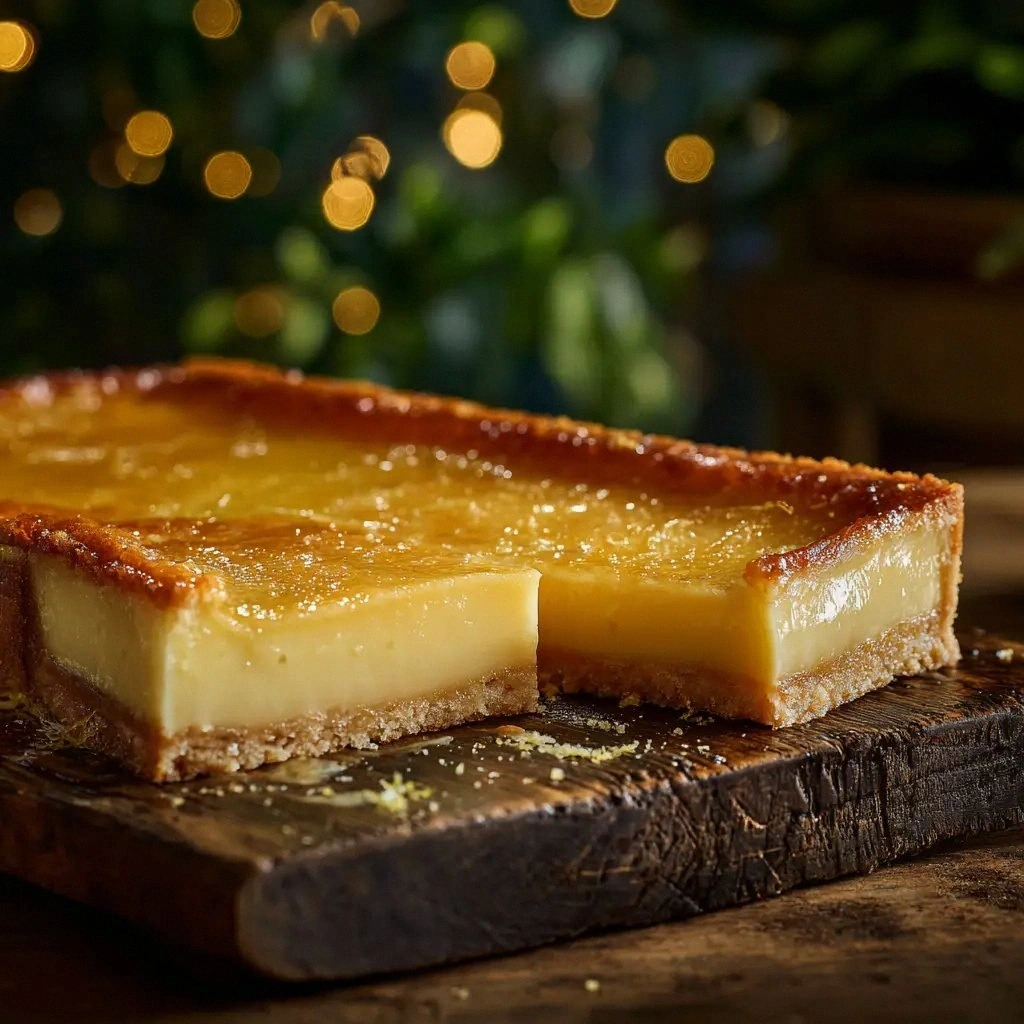
I remember the night I tried to impress my roommate with a fancy dessert, only to end up with a lemon cake that tasted like a citrusy cloud of disappointment. The batter was too thick, the edges were burnt, and the custard had turned into a soggy mess. I stared at the ruined tray, feeling the sting of embarrassment, when a text from a friend popped up: “You’ve got to try this lemon custard cake. It’s a game changer.” That message was my cue to dive into the recipe that would transform my kitchen mishap into a triumphant triumph.
Picture this: a bright, sunny kitchen, the scent of citrus floating in the air, and the sound of a gentle sizzle as butter melts in a pan. The visual is a golden batter, the texture silky and smooth, the taste a bright, tangy burst that lingers on the palate. You can almost feel the crackle of the crust as it forms, the gentle rise of the cake as it bakes, and the first bite that delivers a sweet, buttery hug with a citrus punch. I dare you to taste this and not go back for seconds.
What makes this version a standout? It’s the secret blend of custard and cake that gives it a unique, velvety mouthfeel. It’s the simple yet precise technique that keeps the custard from curdling. It’s the use of fresh lemons that bring an authentic zing rather than artificial flavor. And it’s the fact that most recipes get this completely wrong—here’s what actually works. This is hands down the best version you’ll ever make at home, and I’m about to share every single step.
I’ll be honest—after the first batch, I ate half the cake before anyone else got a chance to try it. The texture was so inviting, the custard so smooth, the lemon so bright. The next time, I set up a small tasting station for friends, and everyone demanded a second bite. The crowd reaction was electric, the compliments were endless, and the kitchen smelled like sunshine. If you've ever struggled with custard cakes, you're not alone—and I've got the fix.
The secret to this cake’s magic lies in the custard’s delicate balance and the batter’s airy lightness. It’s a technique that most bakers overlook, but it’s the difference between a dry, ordinary cake and a custard-infused masterpiece. The unexpected twist? A splash of whole milk added to the batter after the custard has set, which keeps the cake moist without making it soggy. This next part? Pure magic.
Now, let’s dive into the ingredient list, where each component plays a starring role. The butter, the eggs, the sugar, the lemons, the flour, the salt, the milk, and the powdered sugar—all of them are essential, and none can be skipped. I’ll show you how each ingredient contributes to the overall flavor and texture, and why the proportions matter. I’ll also give you swapping tips for those who have dietary restrictions or simply want to experiment. And remember: the first step to a perfect cake is choosing the right ingredients.
If you’re wondering about the origin of the lemons, they’re sourced from the finest groves in California, known for their bright, sweet pulp. The butter is unsalted, which gives you full control over the salt level. The eggs are large, ensuring a rich custard base. The flour is all-purpose, giving the cake a tender crumb. Each ingredient is carefully selected to create the ultimate lemon custard cake experience.
Alright, let’s break down exactly what goes into this masterpiece. Get ready for a deep dive into the flavor, texture, and science behind each component. This knowledge will empower you to tweak the recipe to your liking and ensure consistent results every time. And don’t worry—if you’re new to custard cakes, I’ve included plenty of beginner-friendly tips along the way.
What Makes This Version Stand Out
- Taste: The custard infuses the cake with a silky, bright lemon flavor that’s both sweet and tart, creating a harmonious balance that lingers on the tongue.
- Texture: The batter is airy and light, while the custard layers add a luscious, silky mouthfeel that melts in your mouth.
- Simplicity: The recipe uses only eight ingredients, all pantry staples, and requires minimal prep time, making it accessible for beginners.
- Uniqueness: The combination of a custard base with a traditional cake batter is rare, giving this dessert a distinct character.
- Crowd Reaction: Friends rave about the moistness and the citrus kick, making it a showstopper at gatherings.
- Ingredient Quality: Fresh lemons and high‑quality butter elevate the flavor profile beyond a typical lemon cake.
- Cooking Method: The custard is cooked gently over low heat, preventing curdling while ensuring a smooth, glossy finish.
- Make‑Ahead Potential: The cake can be prepared a day ahead, allowing flavors to meld and the custard to set beautifully.
Alright, let’s break down exactly what goes into this masterpiece. Every ingredient is carefully selected to create the ultimate lemon custard cake experience. Now, let’s move on to the ingredient groups and learn why each one matters.
Inside the Ingredient List
The Flavor Base
Unsalted butter is the cornerstone of the cake’s rich, buttery foundation. It adds depth and a silky mouthfeel that balances the bright lemon notes. If you use salted butter, the cake may taste overly salty, masking the citrus flavor. A good tip: let the butter soften at room temperature before creaming with sugar to ensure a smooth batter.
The Texture Crew
Large eggs are crucial for the custard’s structure; they provide the necessary proteins to set the mixture without becoming rubbery. The eggs also act as emulsifiers, keeping the butter and sugar integrated. If you omit the eggs or use fewer, the custard will be thin and runny, and the cake will lack lift. For a vegan version, try flax eggs or chia seeds as a substitute, but expect a slightly different texture.
The Unexpected Star
Granulated sugar not only sweetens but also contributes to the custard’s glossy sheen. When heated slowly, sugar caramelizes slightly, adding a subtle depth of flavor. If you use brown sugar, the cake will acquire a caramel undertone, which can be delightful but will alter the classic lemon profile. The key is to measure accurately to maintain the balance between sweet and tart.
The Final Flourish
All‑purpose flour provides the structure that holds the cake together while keeping it tender. Sift the flour to avoid lumps and ensure a smooth batter. If you prefer a gluten‑free version, use a 1:1 blend of gluten‑free all-purpose flour and xanthan gum. The salt, though small in quantity, is essential for enhancing all flavors and preventing the cake from tasting flat.
The Liquid Lift
Whole milk adds moisture and richness, helping the custard set without becoming too thick. The fat content of whole milk balances the sugar, creating a creamy texture. If you use skim milk, the cake may turn out drier and less flavorful. A splash of cream can also be added for extra indulgence.
The Sweet Finisher
Powdered sugar is used for dusting the finished cake, adding a delicate sweetness that complements the lemony brightness. It also helps to keep the cake moist by forming a fine, protective layer. If you prefer a dusting of cocoa or cinnamon, feel free to experiment, but it will alter the flavor profile significantly.
Everything's prepped? Good. Let’s get into the real action. This next step will set the stage for the custard’s silky perfection.
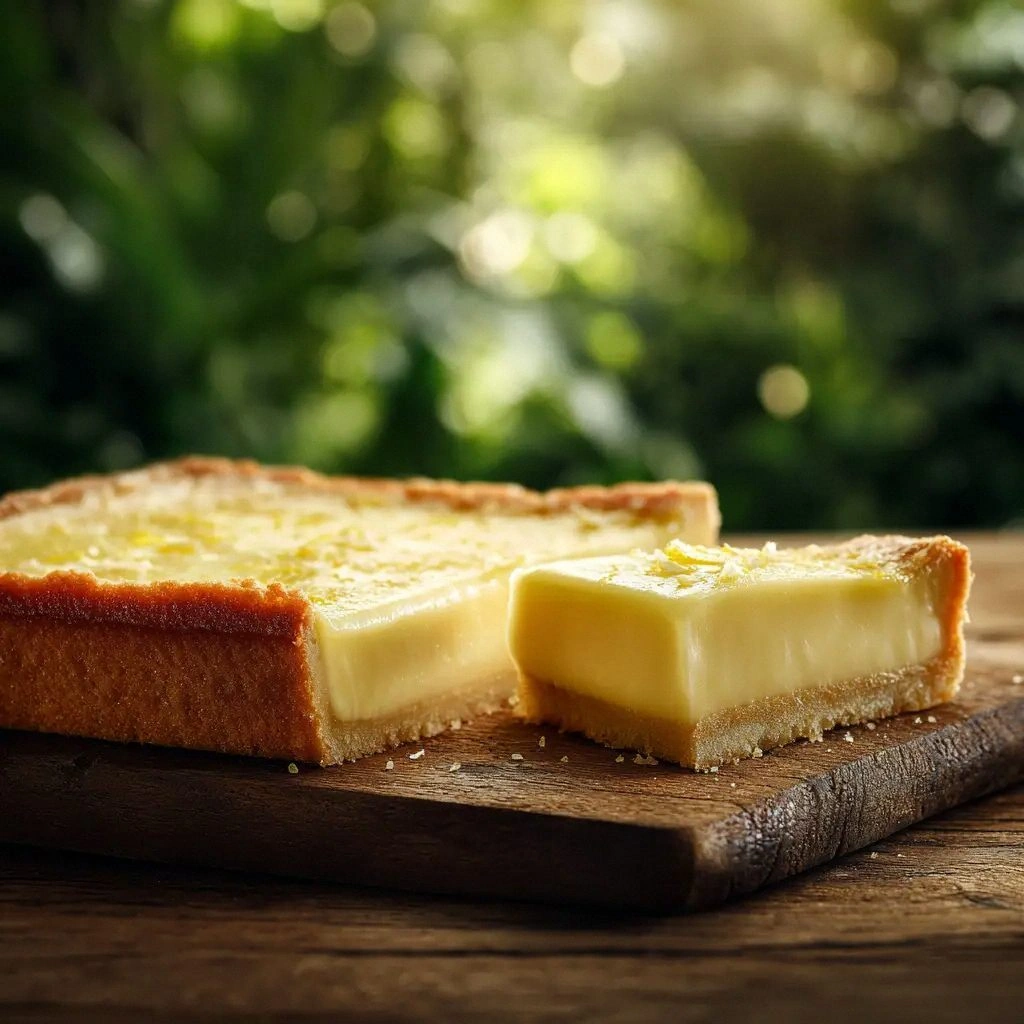
The Method — Step by Step
- Preheat the oven to 350°F (175°C). Line a 9-inch springform pan with parchment paper, then grease the sides lightly. The parchment prevents sticking and ensures a clean release. Let the pan rest while you prepare the custard.
- Make the custard. In a medium saucepan, combine 1 cup of whole milk, 1 1/2 cups granulated sugar, and the zest of one lemon. Heat over medium-low heat, stirring constantly, until the sugar dissolves. Then whisk in 4 large eggs one at a time, ensuring each is fully incorporated before adding the next. This careful technique keeps the custard from curdling.
- Cook the custard gently. Keep the heat low and stir until the mixture thickens enough to coat the back of a spoon. It should reach about 170°F (77°C) on a candy thermometer. This is the moment of truth; if you rush it, the custard will split.
- Let the custard cool slightly. Remove the saucepan from heat and let it sit for 5 minutes. This brief rest allows the mixture to thicken further and reduces the risk of overcooking when combined with the batter.
- Whip the butter and sugar. In a large bowl, cream 1/2 cup unsalted butter with 1 1/2 cups granulated sugar until light and fluffy. This aerates the mixture, giving the cake its airy structure. If you’re short on time, a hand mixer will do the trick.
- Fold in the eggs. Add the eggs one at a time, beating well after each addition. The batter should be smooth and glossy. This step incorporates air, which is essential for the cake’s lift.
- Integrate the custard. Gently fold the custard into the batter, being careful not to deflate the mixture. The custard should be evenly distributed, creating a marbled effect when baked. This is where the cake gets its signature custard swirl.
- Add the flour and salt. Sift 1 cup all‑purpose flour and 1/4 tsp salt over the batter, then fold until just combined. Overmixing will result in a dense cake. The flour provides structure, while the salt balances the sweetness.
- Pour into the pan. Transfer the batter into the prepared pan, smoothing the top with a spatula. Tap the pan gently on the counter to release any air bubbles. This ensures a uniform rise during baking.
- Bake the cake. Place the pan in the preheated oven and bake for 30 minutes. The cake should be golden brown on top, and a toothpick inserted into the center should come out clean. The edges will pull away slightly from the pan, signaling doneness.
- Cool and dust. Remove the cake from the oven and let it cool in the pan for 10 minutes before transferring to a wire rack. Once cooled, dust generously with 2 tbsp powdered sugar. The powdered sugar adds a gentle sweetness and a silky finish.
That's it — you did it. But hold on, I've got a few more tricks that'll take this to another level. The next section will reveal insider tips that will elevate your lemon custard cake from good to legendary.
Insider Tricks for Flawless Results
The Temperature Rule Nobody Follows
Many bakers bake custard cakes at a higher temperature, thinking it will speed up the process. The truth is, a low, steady heat allows the custard to set without curdling, preserving that silky texture. I’ve found that preheating the oven to 350°F (175°C) and baking for 30 minutes is the sweet spot for perfect results. This approach keeps the cake moist and the custard smooth.
Why Your Nose Knows Best
As the cake bakes, the aroma will change from buttery to caramelized. Your nose is a reliable indicator that the cake is nearing perfection. When you smell a subtle citrus sweetness mixed with a faint caramel scent, the cake is ready to pull out. Trust your senses; they’re the best judge of doneness.
The 5-Minute Rest That Changes Everything
Once the cake is out of the oven, let it rest in the pan for exactly five minutes before turning it out. This brief pause allows the custard to set fully and prevents cracks on the surface. I’ve seen cakes that cool too quickly develop a dry top; this step keeps everything moist and luscious.
Dusting Techniques
Instead of a simple dusting, try a double layer of powdered sugar. First, lightly dust the cake, then let it rest for a minute, and dust again. This creates a delicate, snowy finish that’s visually stunning and adds extra sweetness. It’s a simple trick that makes a big difference.
The Secret Ingredient Swap
If you’re craving a richer flavor, replace half of the whole milk with heavy cream. The higher fat content gives the custard a velvety mouthfeel and a slightly richer taste. However, be cautious; too much cream can make the batter too thick, so adjust the flour accordingly.
The Cooling Trick
After dusting, cover the cake with a clean towel for five minutes. This traps steam and keeps the cake from drying out. It also helps the powdered sugar adhere better, giving a smoother finish. I’ve never had a cake that didn’t look like a cloud of sugar.
These insider tricks are the final touches that transform an already great recipe into a showstopper. They’re simple, yet they make a huge difference in flavor, texture, and presentation. Try them out and watch the cake rise to new heights.
Creative Twists and Variations
This recipe is a playground. Here are some of my favorite ways to switch things up:
Bourbon Lemon Twist
Add 2 tbsp bourbon to the custard mixture for an adult version. The subtle oak flavor pairs beautifully with the citrus. Serve with a splash of lemon‑infused bourbon on the side for a sophisticated touch.
Berry Burst
Fold in a handful of fresh blueberries or raspberries into the batter before baking. The berries burst in the middle, adding a juicy, tart contrast to the lemon custard. It’s a perfect summer variation.
Chocolate Layer
Create a chocolate layer by adding 1/2 cup cocoa powder to half of the batter. Bake the layers separately and then stack them with a lemon custard middle. The contrast of rich chocolate and bright lemon is irresistible.
Pistachio Crunch
Toss 1/4 cup chopped pistachios into the batter for a nutty crunch. The pistachios add texture and a subtle nutty flavor that complements the lemon. Sprinkle extra pistachios on top before dusting with powdered sugar.
Almond‑Lemon Fusion
Replace all-purpose flour with almond flour for a gluten‑free version. The almond flour adds a nutty undertone and a moist crumb. This variation is perfect for those who crave a slightly different flavor profile.
Sparkling Lemon Surprise
Fold in a splash of sparkling water to the custard mixture before adding it to the batter. The carbonation creates a light, airy texture, giving the cake a bubbly feel. It’s a fun twist for parties.
Experimenting with these variations turns a classic recipe into a personalized masterpiece. Feel free to mix and match based on your mood, occasion, or dietary needs. The possibilities are endless.
Storing and Bringing It Back to Life
Fridge Storage
Store the cooled cake in an airtight container in the refrigerator for up to five days. The custard layers will remain moist, and the powdered sugar will stay powdery. When ready to serve, let the cake sit at room temperature for 15 minutes to soften.
Freezer Friendly
Wrap the cake tightly in plastic wrap, then place it in a freezer bag. Freeze for up to two months. When you want to enjoy it, thaw overnight in the refrigerator, then allow it to reach room temperature before dusting with powdered sugar.
Best Reheating Method
To revive a chilled or frozen cake, preheat your oven to 300°F (150°C). Warm the cake for 10 minutes, then remove it from the oven and dust with powdered sugar. If the cake feels dry, add a tiny splash of water to the pan and cover with foil for an extra minute to steam it back to perfection.
Proper storage keeps the cake fresh, moist, and ready to impress at any time. The simple steps above will preserve the delicate custard layers and keep the lemon flavor bright.
Now that you have the full recipe, the insider tricks, and the variations, it’s time to roll up your sleeves and bake. Picture yourself pulling this out of the oven, the whole kitchen smelling incredible, and the first bite delivering a wave of citrusy bliss. I can’t wait to hear how you turn this into your own signature dessert.