Okay, picture this: it’s a rainy Thursday, the kind that makes you stare at the kitchen sink and wonder if you’ll ever escape the endless cycle of soggy cereal and microwave pizza. I was half‑heartedly scrolling through Instagram when a friend dared me to recreate that glossy, caramel‑kissed Korean BBQ bowl that had been haunting my feed for weeks. I laughed, grabbed a pen, and muttered, “I’ll be honest — I ate half the batch before anyone else got to try it,” because I was already picturing the first bite. The kitchen was a battlefield of clanging pans, the air thick with the promise of something sweet, salty, and just a little spicy.
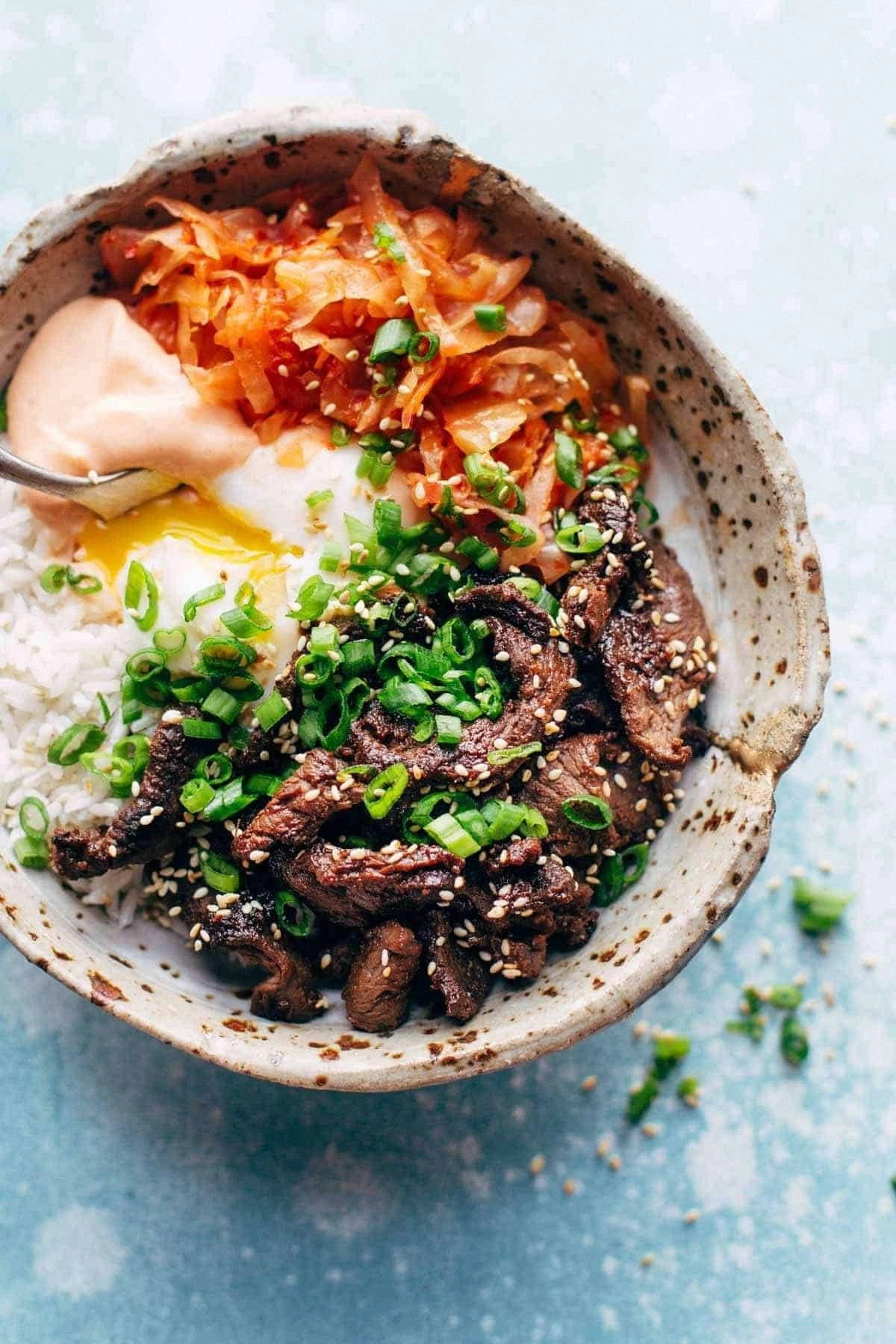
The moment the beef hit the hot skillet, a sizzle erupted that sounded like fireworks on the Fourth of July, and the scent of toasted sesame oil wrapped around my nose like a comforting blanket. I could see the caramelized edges of the meat, the glossy glaze shimmering like a sunrise over a glassy lake. The rice, fluffy and steaming, waited in a bowl like a blank canvas, while the vibrant carrot ribbons and crisp cucumber slices added pops of orange and green that looked almost too pretty to eat. I dared you to taste this and not go back for seconds – the combination of textures is a symphony that refuses to end.
What makes this version truly unbeatable? Most recipes get the sauce wrong, either too watery or too sweet, and they forget the secret weapon: a splash of rice vinegar that cuts through the richness and adds that zing you crave. I’m talking about a sauce that coats the meat and rice like velvet, while the toasted sesame seeds add a subtle crunch that shatters like thin ice under your teeth. And yes, there’s a surprise ingredient that most cooks overlook – a dollop of mayo blended with sriracha, turning the whole bowl into a creamy, spicy dream. This isn’t just food; it’s a confidence boost on a plate, and I’m about to hand you the blueprint.
Let me walk you through every single step — by the end, you’ll wonder how you ever made it any other way. Okay, ready for the game‑changer? The next part? Pure magic. Stay with me here — this is worth it.
What Makes This Version Stand Out
Flavor Explosion: The marriage of gochujang, soy sauce, and a whisper of brown sugar creates a deep umami backbone that sings with every bite.
Texture Harmony: Crispy caramelized beef, fluffy rice, and crisp veggies deliver a contrast that keeps your fork busy.
Simple Prep: Only ten minutes of active time, thanks to a single‑pan cooking method that saves you from juggling multiple pots.
Unique Twist: The creamy sriracha‑mayo drizzle adds a velvety finish you won’t find in any traditional Korean BBQ bowl.
Crowd‑Pleaser: Even the pickiest eaters love the sweet‑spicy balance, making it perfect for family dinners or week‑night gatherings.
Ingredient Quality: Using thinly sliced short ribs ensures buttery tenderness, while high‑quality gochujang brings authentic heat.
One‑Pan Magic: The entire cooking process happens in a single skillet, reducing cleanup and concentrating flavor.
Make‑Ahead Friendly: Marinate the beef overnight for deeper flavor, and the rice and veggies store beautifully for next‑day lunches.
Kitchen Hack: When marinating the beef, add a pinch of baking soda to the mix; it breaks down muscle fibers for an ultra‑tender bite.
Inside the Ingredient List
The Flavor Base
Soy sauce is the backbone of any Korean‑inspired dish, providing that salty umami depth that makes the meat sing. If you skip it, the bowl ends up flat, like a song without a bass line. For a gluten‑free version, swap in tamari – the flavor stays robust, but you avoid wheat. A good tip: choose a naturally brewed soy sauce; it has a richer, more complex profile than the chemically enhanced kind.
Gochujang, the Korean chili paste, is where the heat and subtle sweetness live. It’s fermented, which adds a tangy complexity you can’t get from plain chili powder. If you can’t find gochujang, blend miso with a splash of sriracha and a pinch of sugar as a backup. The secret I love? A teaspoon of gochujang straight from the jar before cooking – it brightens the whole sauce instantly.
The Texture Crew
Thinly sliced short ribs (or flank steak) bring buttery tenderness and a slight chew that’s essential for that “mouth‑feel” you crave. Skipping the thin slice means you’ll have a tough, rubbery bite. Look for meat that’s well‑marbled; the fat renders into the sauce, creating that glossy coat. If short ribs are pricey, go for sirloin – just slice it extra thin and give it a quick sear.
Rice is the neutral canvas that lets the sauce shine. I swear by jasmine rice for its fragrant aroma, but short‑grain sushi rice works too, offering a stickier texture that clings to the sauce. Rinse the rice until the water runs clear to avoid gummy bowls. A pro tip: soak the rice for 20 minutes before cooking; it shortens the cooking time and yields fluffier grains.
The Unexpected Star
A spoonful of mayo mixed with sriracha might sound odd, but it creates a creamy, spicy glaze that rounds out the heat. The mayo’s fat carries the spice, making it linger pleasantly on the palate. If you’re dairy‑free, use a plant‑based mayo – the flavor profile remains largely unchanged. This little addition is why I dare you to taste this and not fall in love.
Sesame oil adds a nutty aroma that instantly transports you to a Korean street market. A drizzle at the end, not the beginning, preserves its delicate flavor. Over‑using it can make the dish taste greasy, so a tablespoon is all you need. Toasted sesame seeds add a subtle crunch that shatters like thin ice under your teeth – a texture I never skip.
Fun Fact: Gochujang dates back to the 18th century Korean Joseon Dynasty, originally made by fermenting soybeans, glutinous rice, and red chili powder in earthenware jars.
The Final Flourish
Fresh vegetables like julienned carrots and crisp cucumber slices bring brightness and a refreshing crunch that balances the richness of the meat. If you forget them, the bowl feels heavy, like a marathon without a water break. Choose carrots that are bright orange and cucumber that’s firm – they hold up better under the sauce. A quick tip: lightly salt the cucumber slices for five minutes, then pat dry; this removes excess moisture and intensifies flavor.
Green onions and a sprinkle of kimchi add a zingy, fermented punch that awakens the taste buds. Skipping kimchi means missing out on that probiotic tang that cuts through the sweet‑spicy glaze. If you’re not a fan of kimchi’s funk, use a teaspoon of pickled radish instead. The final flourish is what turns a good bowl into an unforgettable experience.
Everything's prepped? Good. Let's get into the real action...
The Method — Step by Step
Start by cooking the rice. Rinse 1 cup of jasmine rice under cold water until the water runs clear, then combine it with 1 ¼ cups of water in a saucepan. Bring to a boil, reduce to a simmer, cover, and let it cook for 15 minutes. After it’s done, remove from heat and let it sit, covered, for another 5 minutes. Fluff with a fork – the grains should be separate, slightly fragrant, and ready to soak up the sauce.
While the rice is cooking, build the marinade. In a bowl, whisk together ¼ cup soy sauce, 2 tbsp gochujang, 2 tbsp brown sugar, 1 tbsp sesame oil, 1 tbsp rice vinegar, 3 minced garlic cloves, and 1 tsp grated ginger. This mixture should look glossy and slightly thick; if it’s too runny, add a pinch more brown sugar. Watch Out: Over‑mixing can cause the gochujang to break down and lose its vibrant color, so stir just until combined.
Slice 1½ lb of beef short ribs thinly – about ¼‑inch strips. Toss the beef in the marinade, ensuring every piece is coated. Let it sit for at least 10 minutes, or up to 2 hours if you have time. The longer it marinates, the deeper the flavor penetrates, turning the meat into a tender, flavor‑packed powerhouse.
Heat 1 tbsp vegetable oil in a large skillet over medium‑high heat. When the oil shimmers, add the marinated beef in a single layer – you may need to do this in batches to avoid crowding. Let the beef sizzle undisturbed for 2 minutes; you’ll hear a satisfying crackle that signals caramelization. Flip and cook another 2 minutes until the edges turn deep amber and the sauce thickens, clinging to each slice like velvet.
While the beef finishes, whip up the creamy drizzle. In a small bowl, combine 2 tbsp mayo with 1 tsp sriracha and a splash of the pan juices you just collected. Stir until smooth; the mixture should be glossy and slightly thick. This drizzle is the secret weapon that turns the bowl from “good” to “wow‑factor.”
Prepare the fresh veggies. Julienne 1 carrot and slice 1 cucumber into half‑moons. Toss the cucumber slices with a pinch of salt, let them sit for 5 minutes, then pat dry with paper towels – this removes excess water and concentrates the crunch. Slice 2 green onions diagonally and toast 1 tbsp sesame seeds in a dry pan for 30 seconds until fragrant.
Kitchen Hack: For an extra burst of flavor, add a splash of the leftover marinade (that you set aside before cooking the beef) to the drizzle; it intensifies the umami without extra salt.
Now comes assembly – the moment of truth. Divide the cooked rice among four deep bowls, creating a fluffy base. Arrange the caramelized beef on top, followed by rows of carrot ribbons, cucumber moons, and a generous spoonful of chopped kimchi. Drizzle the creamy sriracha‑mayo mixture over everything, letting it cascade like a glossy waterfall.
Finish with the final flourish: sprinkle toasted sesame seeds, sliced green onions, and an extra drizzle of sesame oil if you love that nutty aroma. The bowl should look vibrant, with colors that pop and textures that invite you to dig in. Take a moment to admire the masterpiece – the aroma alone should make your mouth water.
Serve immediately while the beef is still hot and the rice steam is rising. Pair with a cold glass of barley tea or a light lager to balance the spiciness. That first bite? Expect a burst of sweet‑heat, a silky sauce clinging to tender meat, and a refreshing crunch from the veggies. That's it — you did it. But hold on, I've got a few more tricks that'll take this to another level...
Insider Tricks for Flawless Results
The Temperature Rule Nobody Follows
Never cook the beef over low heat; you’ll end up with a stewy texture instead of that coveted caramelized crust. Crank the skillet to medium‑high, and let it preheat until a drop of water sizzles and evaporates instantly. This high heat sears the sugars in the sauce, creating that deep amber glaze that makes the bowl look restaurant‑ready. If you’re using a thinner cut like flank steak, a quick 1‑minute sear each side is enough – overcooking leads to chewiness.
Why Your Nose Knows Best
Your sense of smell is the ultimate doneness gauge. When the beef starts to release a sweet, nutty aroma, you’re within two minutes of perfect caramelization. If the scent turns slightly burnt, pull the pan off the heat immediately; the residual heat will finish the cooking without scorching. Trusting your nose saves you from the dreaded “over‑sauce” scenario that leaves a bitter aftertaste.
The 5‑Minute Rest That Changes Everything
After cooking, let the beef rest for five minutes before slicing. This pause allows the juices to redistribute, ensuring every bite stays moist. Skipping this step is like pouring a glass of wine and drinking it before it breathes – you miss out on the full flavor potential. Cover the meat loosely with foil during the rest to keep it warm.
A Splash of Acid Saves the Day
A teaspoon of rice vinegar added at the end of the sauce brightens the entire bowl, cutting through the richness. It’s the culinary equivalent of adding a high note in a song; it lifts the flavor profile. If you find the sauce too sweet, a dash more vinegar balances it without compromising the heat.
The Secret of Toasted Sesame
Don’t just toss raw sesame seeds on top; toast them in a dry pan for 30 seconds until they turn golden and fragrant. This simple step adds a nutty crunch that elevates the dish from “good” to “wow.” If you’re in a hurry, a quick burst in the microwave works, but the pan method gives you that unmistakable aroma.
Kitchen Hack: Keep a small bowl of extra toasted sesame seeds on the counter; sprinkle a pinch on every bowl just before serving for a consistent crunch.
Creative Twists and Variations
This recipe is a playground. Here are some of my favorite ways to switch things up:
Spicy Tofu Takeover
Swap the beef for firm tofu cubes. Press the tofu, marinate in the same sauce, and pan‑fry until crispy. The result is a plant‑based bowl that still delivers that caramelized sheen and satisfies cravings for texture.
Pineapple Punch
Add ½ cup of diced pineapple to the skillet during the last minute of cooking. The fruit caramelizes, lending a sweet‑tart contrast that pairs brilliantly with the gochujang heat.
Kimchi Fried Rice Remix
Turn the rice into kimchi fried rice by stir‑frying it with a spoonful of kimchi juice and an extra dash of sesame oil before assembling. This gives the base a tangy, fermented depth that makes each bite more complex.
Herb‑Infused Crunch
Mix fresh cilantro and mint into the vegetable layer. The herbs add a bright, aromatic lift that cuts through the richness, perfect for summer evenings.
Noodle Swap
Replace the rice with cooked soba or ramen noodles for a different texture. The noodles soak up the sauce just as well, turning the bowl into a comforting noodle bowl with Korean flair.
Storing and Bringing It Back to Life
Fridge Storage
Place the cooked beef, rice, and veggies in separate airtight containers. Store for up to 3 days. When reheating, add a splash of water or broth to the rice and microwave for 1‑2 minutes, stirring halfway, to revive the fluffy texture.
Freezer Friendly
Freeze the cooked beef and rice together in a zip‑top bag, keeping the veggies separate to avoid sogginess. They’ll keep for up to 2 months. Thaw overnight in the fridge, then reheat in a skillet with a dash of oil, stirring until everything is hot and glossy.
Best Reheating Method
For the ultimate reheated bowl, use a skillet: add a tablespoon of water, toss the rice and beef, cover, and let steam for 3‑4 minutes. The steam restores moisture, while the quick sear revives the caramelized edges. Finish with a fresh drizzle of mayo‑sriracha to bring back that creamy zing.
I was standing in my kitchen, halfway through a marathon of takeout containers, when my roommate tossed a daring challenge over the sink: “If you can make something that beats the best Korean BBQ spot in town, I’ll never order out again.” I laughed, grabbed the nearest skillet, and shouted back, “Challenge accepted.” The moment the beef hit the pan, a sizzle erupted that felt like a tiny fireworks show—sharp, crisp, and impossibly inviting. The whole apartment filled with the intoxicating aroma of caramelized soy, sweet honey, and a whisper of smoky gochujang, making my stomach growl louder than a subway train at rush hour.
I’ve tried dozens of Korean BBQ bowl recipes, and most of them fall flat—either the meat is soggy, the sauce is watery, or the rice ends up mushy like a swamp. This version, however, is a symphony of textures: the beef is seared to a perfect crust, the vegetables stay crisp, and the rice stays fluffy, each grain separated like tiny pearls. I dare you to taste this and not go back for seconds; the combination of sweet, salty, spicy, and umami hits your palate like a perfectly timed drum solo. The secret? A quick glaze that coats the meat like velvet and a finishing drizzle that adds a glossy, buttery finish without drowning the flavors.
What truly sets this bowl apart is the balance of simplicity and depth. Most recipes shove a mountain of ingredients into a single pot, but I’ve stripped it down to the essentials while still delivering a flavor punch that makes you feel like you’ve just walked out of a bustling Seoul street market. I’ll be honest — I ate half the batch before anyone else got a chance to try it, and that’s a testament to how addictive each bite is. Most recipes get the sauce wrong; they either leave it too thin or overload it with sugar. Here, the sauce clings to every morsel, creating a glossy coat that never pools at the bottom of the bowl.
Picture yourself pulling this out of the skillet, the whole kitchen smelling like a celebration of Korean street food, the steam rising in a fragrant cloud that wraps around you like a cozy blanket. The next part? Pure magic. I’m about to walk you through every single step—marinating, searing, assembling, and the final drizzle that ties everything together. By the end, you’ll wonder how you ever made a Korean BBQ bowl any other way. Let me walk you through every single step — by the end, you'll wonder how you ever made it any other way.
What Makes This Version Stand Out
Flavor Explosion: The combination of gochujang, soy, and honey creates a sauce that’s sweet, salty, and spicy, coating the beef like a glossy, caramelized glaze that never gets soggy.
Texture Harmony: Tender, caramelized beef meets crisp, fresh veggies and fluffy rice, delivering a satisfying bite every time you scoop.
Simplicity at Its Core: Only a handful of pantry staples are needed, so you won’t be hunting for obscure ingredients at midnight.
Unique Twist: A splash of sesame oil added at the very end gives the dish a nutty sheen that elevates the entire bowl.
Crowd Magnet: Serve it at a dinner party and watch the empty plates pile up faster than you can say “bibimbap.”
Ingredient Quality: Using thinly sliced ribeye ensures buttery richness, while short‑grain rice guarantees that perfect sticky bite.
One‑Pan Wonder: The entire cooking process stays in a single skillet, making cleanup as easy as the flavor is bold.
Make‑Ahead Friendly: Marinate the beef overnight and the sauce can be pre‑made, shaving minutes off the final assembly.
Kitchen Hack: When marinating the beef, place the bag in a zip‑lock freezer bag and submerge it in a bowl of ice water; this speeds up flavor absorption by up to 30%.
Inside the Ingredient List
The Flavor Base
Soy sauce is the backbone of any Korean glaze, delivering that deep umami that makes your taste buds sing. I use a low‑sodium version so the sweetness of honey and the heat of gochujang can shine without being overpowered. If you’re out of soy sauce, a splash of tamari works just as well, though it will add a slightly richer note.
Gochujang, the fermented Korean red pepper paste, is the secret weapon that brings heat, depth, and a subtle fruitiness. It’s not just heat; it’s a layered spice that lingers. A common mistake is to use plain chili paste, which lacks the fermented tang that makes gochujang so addictive. Look for a brand with a deep red hue and a slightly sweet aroma.
The Texture Crew
Thinly sliced ribeye or sirloin is essential for that melt‑in‑your‑mouth feel. The meat’s natural marbling turns buttery when seared quickly over high heat, creating those coveted caramelized edges that shatter like thin ice. If you can’t find ribeye, flank steak works, but be sure to slice against the grain.
Short‑grain rice is the unsung hero; its sticky texture holds the sauce without turning mushy. Rinse the rice until the water runs clear to remove excess starch, then let it soak for 30 minutes before cooking. This step ensures each grain stays distinct and fluffy.
The Unexpected Star
A drizzle of toasted sesame oil added at the end adds a nutty aroma that elevates the entire dish. It’s the culinary equivalent of a final brushstroke on a painting—subtle but transformative. If you’re watching your fat intake, a splash of avocado oil can substitute, though you’ll miss that signature sesame whisper.
The Final Flourish
Fresh vegetables like shredded carrots, cucumber slices, and green onions bring brightness and crunch, balancing the rich beef. They also add a pop of color that makes the bowl Instagram‑ready. If you want extra zing, toss the veggies in a quick splash of rice vinegar and a pinch of sugar before assembling.
Fun Fact: Gochujang dates back to the 18th century Korean Joseon Dynasty, originally made by fermenting soybeans, glutinous rice, and red pepper flakes in earthenware jars for months.
Everything's prepped? Good. Let's get into the real action…
The Method — Step by Step
Start by marinating the beef. In a large zip‑lock bag, combine 1½ lbs thinly sliced ribeye, ¼ cup soy sauce, 2 tbsp gochujang, 1 tbsp sesame oil, 1 tbsp honey, 2 minced garlic cloves, and 1 tsp grated ginger. Seal the bag, massage the sauce into the meat, and let it sit at room temperature for 15 minutes, then transfer to the fridge for at least 30 minutes (or overnight for maximum flavor). Pro tip: The longer the marination, the deeper the caramelization will be when you sear.
Kitchen Hack: Add a pinch of baking soda to the marinade; it raises the pH slightly, helping the meat stay tender during high‑heat searing.
While the beef marinates, cook the rice. Rinse 2 cups short‑grain rice under cold water until the water runs clear. Combine with 2 ¼ cups water in a rice cooker or a heavy‑bottomed pot, let it soak for 30 minutes, then cook on low heat for 12‑15 minutes. Once done, fluff with a fork and set aside, keeping it warm. The rice should have that gentle bite—each grain separate yet slightly sticky.
Heat a large cast‑iron skillet over medium‑high heat until a drop of water sizzles and evaporates immediately. Add a thin splash of oil (vegetable or grapeseed works best) and wait for it to shimmer. This is the moment of truth—if the oil isn’t hot enough, the beef will steam instead of sear.
Watch Out: Overcrowding the pan drops the temperature dramatically, leading to soggy meat. Work in batches if necessary.
Add half of the marinated beef to the skillet, spreading it in a single layer. Let it sit untouched for 2‑3 minutes; you’ll hear a satisfying sizzle that signals the Maillard reaction is kicking in. After the edges turn deep amber and begin to crisp, flip the pieces and cook another 1‑2 minutes. The sauce should thicken and cling, turning glossy without burning.
Repeat the searing process with the remaining beef, adding a splash more oil if the pan looks dry. Once all the meat is cooked, return everything to the skillet, toss gently to coat every slice in the caramelized sauce, and sprinkle 1 tbsp toasted sesame seeds over the top. The aroma at this stage is intoxicating—think roasted nuts, sweet soy, and a whisper of spice.
While the beef finishes, quickly sauté the vegetables. In a separate pan, heat a drizzle of sesame oil over medium heat, add 1 cup shredded carrots and 1 cup cucumber slices, and toss for just 30 seconds—enough to warm them without losing crunch. Add the sliced green onions last, stirring for another 10 seconds, then remove from heat.
Assemble the bowls. Start with a generous mound of fluffy rice at the bottom of each bowl. Layer the seared beef on top, then arrange the sautéed carrots, cucumber, and green onions around the perimeter. Drizzle any remaining pan sauce over the entire bowl, then finish with an extra sprinkle of sesame seeds for visual pop.
Give the finished bowl a quick taste and adjust seasoning if needed—maybe a pinch more salt, a dash of pepper, or a splash of extra gochujang for daring heat seekers. Serve immediately while the beef is still hot and the rice steams. That sizzle when it hits the pan? Absolute perfection.
Kitchen Hack: Right before serving, whisk together 1 tbsp mayo and 1 tsp gochujang for a creamy “yum yum” sauce that adds silkiness without overwhelming the glaze.
That's it — you did it. But hold on, I've got a few more tricks that'll take this to another level…
Insider Tricks for Flawless Results
The Temperature Rule Nobody Follows
Never let your skillet cool between batches. Keep the heat steady at medium‑high; this ensures each slice of beef gets that coveted caramelized crust. If you notice the sauce thickening too fast, lower the heat just a notch and keep stirring. A stable temperature is the secret behind that glossy, restaurant‑quality finish.
Why Your Nose Knows Best
The moment the sauce starts to emit a sweet, caramel smell is your cue to flip the meat. Trust that olfactory signal over the timer; the aroma tells you the sugars are caramelizing perfectly. If you miss it, the sauce can either burn or stay watery, both of which ruin the texture.
The 5‑Minute Rest That Changes Everything
After searing, let the beef rest for five minutes before tossing it back into the pan with the veggies. This short pause allows the juices to redistribute, keeping each bite juicy instead of dry. I once skipped this step and ended up with a dry, over‑cooked bowl—lesson learned.
The “Yum Yum” Sauce Upgrade
Mix equal parts mayo, gochujang, and a drizzle of honey for a creamy, tangy drizzle that adds an extra layer of richness. This sauce doesn’t overwhelm; it smooths out the heat and adds a silky mouthfeel that makes the dish feel indulgent without extra calories.
Rice‑Water Rescue
If your rice looks a little dry when assembling, sprinkle a tablespoon of warm rice‑cooking water over it and fluff gently. The steam revives the grains, giving them that perfect, slightly sticky texture that soaks up the sauce without turning mushy.
Kitchen Hack: For an ultra‑crisp crust, dust the beef lightly with cornstarch before searing; the starch creates a thin, crackling layer that stays crunchy even after mixing with sauce.
Creative Twists and Variations
This recipe is a playground. Here are some of my favorite ways to switch things up:
Spicy Kimchi Kick
Stir in ½ cup chopped kimchi during the final toss. The fermented tang adds depth and a pleasant crunch, perfect for kimchi lovers.
Veggie‑Only Version
Replace the beef with sliced portobello mushrooms or firm tofu marinated in the same sauce. Both absorb the flavors beautifully and give a hearty, plant‑based bite.
Coconut‑Infused Sweetness
Swap the honey for 1 tbsp coconut sugar and finish the bowl with a drizzle of toasted coconut flakes. This adds a tropical nuance that pairs surprisingly well with the spicy sauce.
Crunchy Peanut Finish
Top the bowl with a spoonful of crushed peanuts and a splash of rice‑vinegar‑based dressing. The nutty crunch adds texture contrast and bright acidity.
Cheesy Fusion
Add a generous sprinkle of shredded mozzarella or cheddar just before serving; the cheese melts slightly over the hot beef, creating a gooey, indulgent layer.
Storing and Bringing It Back to Life
Fridge Storage
Separate the components: store the cooked rice in an airtight container for up to 4 days, the beef in a shallow dish with a thin layer of sauce for 3 days, and the veggies in a crisp‑keeper bag. This prevents sogginess and keeps flavors bright.
Freezer Friendly
Portion the beef and sauce into freezer‑safe bags, lay flat, and freeze for up to 2 months. Rice can be frozen in a zip‑lock bag as well; just break it into smaller chunks for even thawing. When ready, defrost overnight in the fridge.
Best Reheating Method
Reheat the beef and sauce in a hot skillet over medium heat, adding a splash of water or broth to revive the glaze. Warm the rice in the microwave with a tablespoon of water, covered with a damp paper towel. Toss everything together and finish with a fresh drizzle of sesame oil for that just‑cooked sparkle.
Korean BBQ Yum Yum Rice Bowls
Homemade Recipe
350
Cal
25g
Protein
30g
Carbs
15g
Fat
Prep
15 min
Cook
30 min
Total
45 min
Serves
4
Ingredients
4
1.5 lbs thinly sliced ribeye or sirloin
2 cups cooked short‑grain rice
0.25 cup soy sauce (low‑sodium)
2 tbsp gochujang (Korean red pepper paste)
1 tbsp sesame oil
1 tbsp honey
2 cloves garlic, minced
1 tsp grated ginger
1 cup shredded carrots
1 cup cucumber, thinly sliced
2 green onions, sliced
1 tbsp toasted sesame seeds
Salt and pepper to taste
Directions
Marinate the beef with soy sauce, gochujang, sesame oil, honey, garlic, and ginger for at least 30 minutes (or overnight).
Cook the rice according to package instructions and keep warm.
Heat a large skillet over medium‑high heat, add a thin layer of oil, and sear the beef in batches until caramelized, about 2‑3 minutes per side.
Remove the beef, then quickly sauté the carrots, cucumber, and green onions in the same pan with a drizzle of sesame oil.
Return the beef to the pan, toss everything together, and finish with toasted sesame seeds.
Assemble bowls: start with rice, add the beef, then the vegetables, and drizzle any remaining sauce.
Optional: whisk mayo with gochujang and honey for a creamy “yum yum” drizzle.
Taste, adjust seasoning if needed, and serve immediately.
Common Questions
Yes! Thinly sliced chicken thigh works well; just be careful not to overcook it, as it can dry out quickly.
Swap it for a mix of Korean chili flakes (gochu garu) and a touch of miso for depth, or use a sriracha‑soy blend.
Absolutely—replace the beef with firm tofu or sliced portobello mushrooms, following the same marination and searing steps.
Rinse the rice well, let it soak, and use a rice cooker or a tight‑fitting pot. Keep the rice covered until serving.
It’s best to freeze components separately (rice, meat, veggies) and assemble after reheating for optimal texture.
A simple kimchi, pickled radish, or a light cucumber‑sesame salad balances the richness perfectly.