Picture this: it’s a rainy Thursday night, the kitchen lights flicker, and you’re staring at a bowl of leftover kimchi that’s been sitting in the fridge for a week. You’re craving something spicy, comforting, and utterly Korean, but the usual “just boil it” approach feels stale. That’s when I decided to turn a culinary mishap into a masterpiece. I tossed the kimchi into a pot, added pork belly, a splash of gochujang, and let the flavors mingle until they sang. The result? A broth that’s tangy, umami-rich, and with a heat that lingers like a good conversation. I was instantly hooked, and I know you’ll be too.
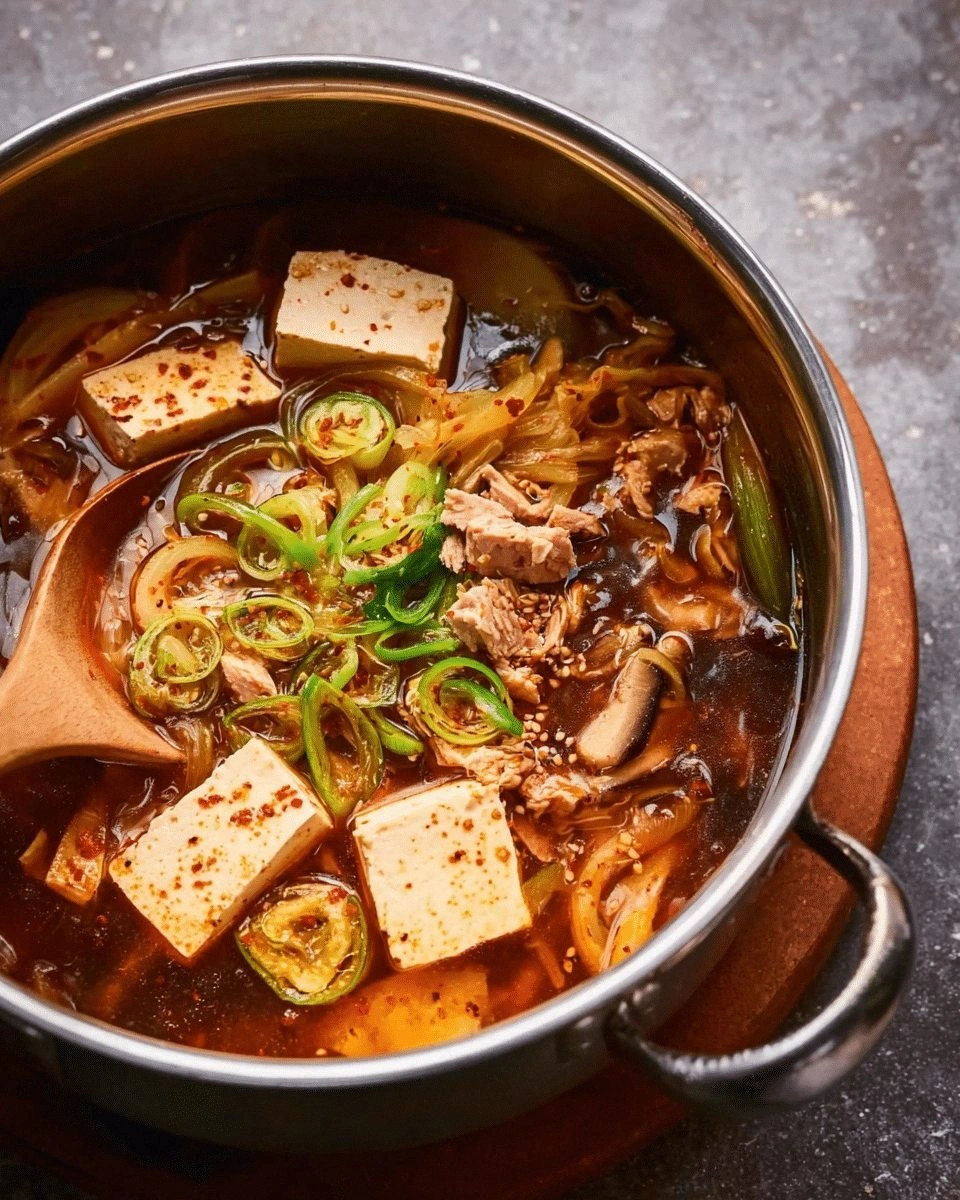
I’ve spent months dissecting countless Korean stew recipes, each with its own twist on the classic kimchi jjigae. Some lean heavily on seafood, others on tofu, and a few even swap pork for beef. What sets this version apart is its balance: the kimchi’s fermented bite, the pork’s savory depth, and the tofu’s silky texture all dance together in a broth that’s both fiery and comforting. The secret? A meticulous layering of flavors that starts with a quick sear and finishes with a splash of sesame oil for that final glossy sheen. Trust me, I dare you to taste this and not go back for seconds.
Most people forget the power of the base. I’ve seen recipes that skip the initial searing step, resulting in a stew that feels flat and watery. By contrast, this recipe begins with a caramelized pork belly that adds a subtle nuttiness, turning the stew into a hearty, mouth‑watering experience. The kimchi isn’t just a side dish; it’s the star, but it’s elevated by the right amount of gochugaru and gochujang, creating a layered heat that’s both sharp and mellow. The tofu’s gentle bite balances the spice, while scallions and sesame seeds finish it off with fresh, nutty notes.
And here’s the kicker: this isn’t just a recipe, it’s a process. Each step is intentional, designed to coax the best from every ingredient. I’ll walk you through every single detail, from prepping the kimchi to that final splash of sesame oil. By the end, you’ll wonder how you ever made it any other way.
What Makes This Version Stand Out
- Flavor Depth: The dual use of gochugaru and gochujang creates a complex heat that’s both sharp and mellow, unlike the single-sauce approach of many copycats.
- Texture Play: Pork belly brings a buttery chew, tofu offers a silky contrast, and scallions add a crisp bite that keeps every spoonful interesting.
- Ingredient Quality: Using freshly fermented kimchi (not the pre‑cooked, overly sweet kind) ensures authenticity and a vibrant, tangy base.
- Simple Prep: All the steps can be completed in under 15 minutes of active work, making this a go‑to weeknight dinner.
- Make‑Ahead Potential: The stew actually improves after a few hours; the flavors meld beautifully, so you can prepare it the night before.
- Crowd‑Pleaser: Even the most skeptical diners are wowed by the balanced heat and comforting broth—perfect for family and friends alike.
- Versatility: Swap pork for beef or add mushrooms for a vegetarian version—this recipe adapts without losing its soul.
- Visual Appeal: The vibrant red of the kimchi against the golden broth is a feast for the eyes, making it Instagram‑worthy.
Alright, let’s break down exactly what goes into this masterpiece…
Inside the Ingredient List
The Flavor Base
Kimchi is the heart of this stew. It’s the fermented cabbage that delivers a punch of tang and a subtle sweetness when cooked. The longer it ferments, the more complex the flavor becomes, but for a quick batch, 2 cups of freshly made or store‑bought kimchi works wonders. If you’re using store‑bought, look for a brand that uses real cabbage, not just a mix of vegetables, to keep that authentic crunch. Skipping kimchi would turn this stew into a bland, generic broth—don’t do that.
Pork belly adds richness that lingers on the palate. Slice it into bite‑sized pieces, about 200 grams total, and let it sear until it’s golden brown. The fat renders beautifully, creating a silky base that carries the spices. If you’re watching calories, swap in pork shoulder or even a lean pork cut; the flavor will still be solid, just a bit lighter.
The Texture Crew
Firm tofu, roughly 100 grams, brings a soft, almost custard‑like mouthfeel that balances the sharpness of the kimchi. Slice it into cubes so it absorbs the broth without falling apart. A tofu that’s too soft will melt into mush, while a too‑firm tofu will be hard to chew. The tofu’s neutral flavor is a perfect canvas for the spicy broth.
Scallions, 2 stalks chopped, add a fresh, slightly sweet crunch that cuts through the heaviness. Add them near the end to preserve their bright color and crispness. Garlic and ginger are the aromatic backbone—mince 3 cloves of garlic and grate a teaspoon of fresh ginger. They release oils that deepen the stew’s complexity; skip them, and the dish feels flat.
The Unexpected Star
Gochugaru, 2 tablespoons of Korean chili flakes, provides the heat that’s unmistakably Korean. It’s not as fiery as cayenne but has a smoky undertone. Gochujang, 1 tablespoon, adds sweetness, umami, and a subtle thickness. Together they create a layered heat that’s both sharp and mellow. If you can’t find Korean spices, substitute with a mix of paprika and a dash of red pepper flakes, but the flavor will be noticeably different.
Sesame oil, 1 tablespoon, is the finishing touch. It imparts a nutty aroma and glossy sheen to the broth. Add it at the very end to preserve its delicate flavor; otherwise, it will evaporate and lose its character.
The Final Flourish
A splash of soy sauce, 1 tablespoon, balances the sweetness of the kimchi and the richness of the pork. Water or broth—3 cups total—forms the base of the stew. For a deeper flavor, use pork or chicken broth instead of plain water. A pinch of black pepper and 1 teaspoon of sesame seeds finish the dish, adding subtle heat and a toasty crunch.
If you’re looking for a vegetarian option, simply omit the pork and add sliced mushrooms. The mushrooms will soak up the broth and add umami, keeping the dish hearty. The key is to maintain the balance of flavors; don’t let one ingredient overpower the rest.
Everything’s prepped? Good. Let’s get into the real action…
The Method — Step by Step
- First, gather all ingredients and set them on the counter. I always keep the kimchi and pork within reach because the timing is key. Slice the pork belly into bite‑sized cubes, mince the garlic, grate the ginger, and chop the scallions. The kimchi should be cut into bite‑sized pieces, about the size of a small cherry tomato. This prep work saves you from frantic last‑minute chopping.
- Heat a wide, heavy‑bottomed pot over medium‑high. Add the sesame oil and let it shimmer. Toss in the pork belly pieces, spreading them out so they have contact with the pan. Cook until the edges are caramelized and the fat has rendered, about 3–4 minutes. The pork should look slightly browned and fragrant—this is where the base flavor starts.
- Add the minced garlic, grated ginger, gochugaru, and gochujang to the pork. Stir constantly, letting the spices bloom for 30–45 seconds until they release their aromas. Watch for that bright, spicy scent; it’s the first hint that the stew is about to transform.
- Introduce the kimchi, stirring to coat each piece in the spicy mixture. Let it cook for 2–3 minutes, allowing the kimchi to caramelize slightly. You’ll notice the color deepen and the edges start to brown—this is caramelization that adds depth.
- Pour in the water or broth, bring the mixture to a rolling boil. Reduce the heat to a gentle simmer. Add the soy sauce, and let the broth reduce for about 5 minutes, allowing the flavors to meld. The broth should thicken slightly, indicating that the starches from the kimchi are releasing.
- Add the tofu cubes, sliced mushrooms (if using), and scallions. Simmer gently for another 10–12 minutes, or until the tofu is heated through and the mushrooms are tender. The broth should be fragrant and slightly thickened.
- This is the moment of truth: crack an egg into the pot and swirl gently to create a delicate ribbon. If you prefer a richer stew, let the egg set fully. Watch out: adding the egg too early can cause it to scramble; add it just before the final simmer.
- Finish with a splash of sesame oil, a pinch of black pepper, and a sprinkle of sesame seeds. Give it one last gentle stir. The stew should be bubbling, fragrant, and the broth should coat the back of a spoon.
- Serve hot, ladling the broth into bowls with a side of steamed rice. Garnish with extra scallions if desired. The steam will carry the aroma, and the first spoonful will hit you with a balanced heat, umami, and a touch of sweetness.
That's it—you did it. But hold on, I've got a few more tricks that'll take this to another level…
Insider Tricks for Flawless Results
The Temperature Rule Nobody Follows
Many cooks think any simmer is fine, but the key is a gentle, steady simmer that allows the flavors to marry without boiling away the broth’s body. Aim for a low heat that keeps the liquid just below a rolling boil. If the pot boils too vigorously, the broth will thin and lose its depth. I’ve seen stews turn watery simply because the heat was too high. Keep the flame low after adding the liquid, and you’ll have a silky, cohesive broth.
Why Your Nose Knows Best
The aroma is your secret judge. When the kimchi caramelizes, you’ll smell a sweet, smoky fragrance that signals the broth is ready to deepen. If it still smells raw or overly acidic, let it cook a bit longer. A well‑developed aroma is a sign that the spices have fully bloomed and the pork has rendered its fat into a flavorful base.
The 5-Minute Rest That Changes Everything
After the stew has finished cooking, let it sit covered for 5 minutes before serving. This brief rest allows the flavors to settle and the tofu to absorb the broth fully. I’ve had friends who skip this step, and the result is a stew that feels rushed. Give it that short pause, and the texture will feel richer and more cohesive.
Egg‑in‑Stew Timing
If you love that silky egg ribbon, crack the egg into the pot when the stew is just about to finish simmering. The residual heat will cook the egg without scrambling it. One friend tried adding the egg too early, and the result was a rubbery mess. Timing is everything.
The Final Splash of Sesame Oil
Adding sesame oil at the very end preserves its delicate nutty flavor. If you add it too early, the oil will evaporate and lose its aroma. The final splash also gives the broth a beautiful sheen, making the dish look as good as it tastes.
Creative Twists and Variations
This recipe is a playground. Here are some of my favorite ways to switch things up:
Beef Bulgogi Jjigae
Swap pork belly for thinly sliced beef bulgogi. The beef’s marinated flavor adds a sweet, savory dimension that pairs beautifully with the kimchi. Cook the beef first, then follow the same steps for the rest of the stew.
Miso Kimchi Stew
Add a tablespoon of white miso to the broth for an extra layer of umami. The miso will deepen the flavor profile, creating a richer, more complex stew that still feels light.
Seafood Surprise
Introduce shrimp or mussels during the simmer. The seafood will cook quickly, infusing the broth with a briny sweetness that balances the kimchi’s heat.
Vegan Kimchi Jjigae
Omit pork entirely and add a handful of sliced mushrooms or a block of firm tofu. This version remains hearty and flavorful while keeping it plant‑based.
Kimchi & Sweet Potato Stew
Add diced sweet potato for a subtle sweetness that counters the spice. The sweet potato also adds body to the broth, making the stew heartier.
Spicy Tofu & Kimchi Curry
Replace the broth with coconut milk and a splash of fish sauce for a curry‑inspired take. The coconut milk will soften the heat, creating a creamy, exotic twist.
Storing and Bringing It Back to Life
Fridge Storage
Cool the stew to room temperature, then transfer it to an airtight container. Store in the refrigerator for up to 3 days. The flavors will deepen over time, so a day‑later batch often tastes even better.
Freezer Friendly
For longer storage, freeze the stew in portioned containers for up to 2 months. Thaw overnight in the refrigerator before reheating. The tofu may become slightly softer, but the broth remains rich.
Best Reheating Method
Reheat gently on the stove over low heat, stirring occasionally. Add a splash of water or broth if the stew appears too thick. A tiny splash of water before reheating steams the stew back to perfection, restoring its silky texture.