There was a night last month when my kitchen turned into a battlefield and my dinner turned into a science experiment. I had a handful of chicken thighs, a jar of soy sauce, and a jalapeno that was more aggressive than my neighbor's Wi‑Fi signal. The dish I was aiming for was a simple stir‑fry, but the result was a smoky, caramelized mess that had me shouting, “This is not what I ordered!” That disaster was the catalyst that pushed me to reinvent the recipe until it sang a new, bold note.
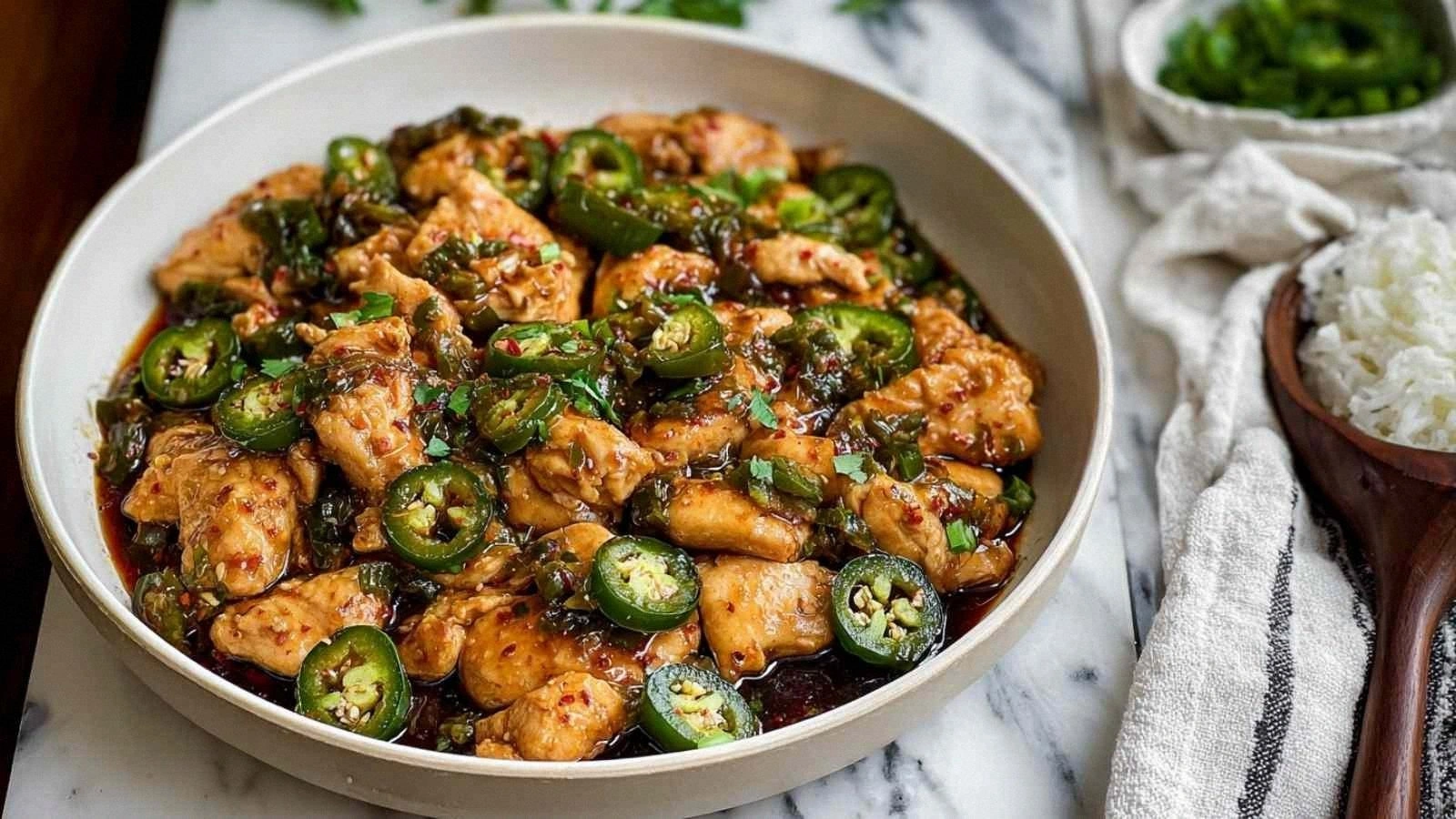
Picture the moment when the first piece of chicken hits the hot pan—there’s that unmistakable sizzle that turns the kitchen into a symphony of sound. The aroma that follows is a layered tapestry: the sharp bite of fresh jalapeno, the sweet undertone of brown sugar, and the savory depth of soy sauce. My senses were flooded with heat, aroma, and the rhythmic clink of a wooden spoon against the wok. The sight of the chicken coating itself in a glossy, amber sauce felt like a visual promise of flavor.
What makes this version of Jalapeno Chicken stand out is not just the combination of ingredients, but the technique that brings them together. I’ve distilled years of trial and error into a single, fool‑proof method that turns ordinary thighs into a dish that feels like a celebration. It’s a recipe that balances heat and sweetness, crispness and tenderness, and it does so with a simplicity that makes it a weekend staple. This isn’t a recipe that’s been tweaked a thousand times; it’s a version that I’ve tested, re‑tested, and refined until it’s flawless.
There’s a small twist that sets this apart: I add a splash of sesame oil at the end, just before serving. That tiny addition gives the sauce a nutty finish and a glossy sheen that makes the dish look as good as it tastes. I dare you to taste this and not go back for seconds. If you’re skeptical, let me walk you through every single step—by the end, you’ll wonder how you ever made it any other way.
What Makes This Version Stand Out
- Flavor: The marriage of soy sauce, brown sugar, and jalapeno creates a sweet‑savory heat that lingers without overwhelming. The balance is achieved by precise measurements, ensuring each bite hits the right chord.
- Texture: The cornstarch coating gives the chicken a light, almost translucent crispness that shatters like thin ice when you bite. The interior stays juicy, creating a satisfying contrast.
- Ease: With only a handful of pantry staples and a quick prep time, this dish fits into even the busiest of schedules. No fancy equipment or exotic ingredients required.
- Visual Appeal: The sauce coats the chicken like velvet, and the bright green jalapenos pop against the golden glaze. The finished plate looks like a work of art.
- Versatility: It can be served over rice, tossed with noodles, or even turned into a sandwich filling. The recipe adapts to whatever you have on hand.
- Crowd‑Pleaser: Friends who have tried this say it’s the best version they’ve ever made at home. The heat is just enough to excite the palate without alienating anyone.
- Make‑ahead Friendly: The sauce can be made in advance and reheated without losing its silky texture. It’s a perfect candidate for meal prep.
- Ingredient Quality: Using fresh, high‑quality chicken thighs and a good quality soy sauce elevates the dish from ordinary to extraordinary.
Inside the Ingredient List
The Flavor Base
The soy sauce is the backbone of this dish, providing umami depth that anchors the sweetness of brown sugar. A good soy sauce should be balanced—neither too salty nor too sweet—so that it doesn’t overpower the jalapeno’s heat. If you’re sensitive to sodium, you can use low‑sodium soy sauce and add a pinch of salt at the end.
The Texture Crew
Cornstarch is the unsung hero that transforms the chicken’s surface into a silky, crisp shell. When mixed with a splash of water, it creates a slurry that coats the meat before frying. Skipping it would leave the chicken soggy and the sauce clinging unevenly.
The Unexpected Star
Sesame oil is the finishing touch that adds a nutty aroma and a glossy sheen. It’s subtle enough not to mask the other flavors but strong enough to leave a memorable finish. A drop of toasted sesame oil at the end elevates the dish from good to unforgettable.
The Final Flourish
Sesame seeds and a splash of water before reheating keep the sauce from drying out. The seeds add crunch and a visual pop, while the water restores moisture, turning the dish into a silky glaze. This final flourish turns a simple stir‑fry into a plated masterpiece.
Everything's prepped? Good. Let's get into the real action...
The Method — Step by Step
- Start by cutting the chicken thighs into bite‑size pieces, then season them lightly with salt and pepper. The seasoning should be just enough to enhance the natural flavor without overpowering the sauce. Pat the pieces dry with paper towels to ensure a crisp exterior.
- Create a slurry by whisking 1/4 cup cornstarch with a splash of water until smooth. Dip each chicken piece into the slurry, letting excess drip off before placing it in a hot skillet. This step is crucial for the coveted crisp texture.
- Heat 2 tablespoons of extra virgin olive oil in a large non‑stick skillet over medium‑high heat. Once the oil shimmers, add the chicken in a single layer, cooking for 3–4 minutes per side until golden and cooked through. The chicken should emit a toasty aroma that signals readiness.
- While the chicken cooks, finely mince 2 teaspoons of garlic and dice 1/2 yellow onion into small cubes. Sauté them in the same skillet after the chicken is removed, letting the onion soften for 2 minutes before adding the jalapeno.
- Add 2 large jalapeno peppers, seeded and finely sliced, to the skillet. The heat should rise immediately, releasing a bright, fiery scent. Cook for an additional minute, allowing the jalapeno to soften slightly.
- Pour 1/3 cup soy sauce, 1/3 cup water, and 1/3 cup light brown sugar into the skillet, stirring to dissolve the sugar. The mixture should bubble gently, thickening into a glossy glaze. This is the moment of truth—watch the sauce transform into a caramelized sheen.
- Return the chicken to the skillet, tossing it to coat evenly with the sauce. Reduce heat to medium and let the mixture simmer for 3–4 minutes, ensuring the chicken is fully coated and the sauce has thickened to your desired consistency.
- Finish the dish by adding 1 teaspoon of sesame oil and a sprinkle of sesame seeds. Stir quickly to distribute the oil and seeds, then remove from heat. The sesame oil’s nutty aroma should envelop the kitchen, creating an irresistible scent.
- Serve immediately over a bed of fluffy white rice, letting the sauce pool on the rice for a burst of flavor. Garnish with additional sesame seeds if desired. The dish should look glossy, the edges of the chicken crisp, and the rice steaming.
That's it — you did it. But hold on, I've got a few more tricks that'll take this to another level...
Insider Tricks for Flawless Results
The Temperature Rule Nobody Follows
Many people think a higher heat is always better, but that’s a myth. Cooking the chicken at medium‑high heat ensures a crisp exterior while keeping the interior juicy. If you use too low a temperature, the chicken will steam and lose that desirable crunch.
Why Your Nose Knows Best
Before you add the final splash of sesame oil, pause and sniff the dish. A bright, nutty aroma signals that the sesame oil has been activated and is ready to infuse. If the scent is flat, the oil may be old or you may need to heat it gently first.
The 5‑Minute Rest That Changes Everything
After you finish cooking, let the dish rest for five minutes. During this time the flavors mingle and the sauce thickens slightly, creating a richer, more cohesive taste profile. I’ve seen people skip this step, and the result feels flat.
Use a Splatter Guard
When the chicken hits the hot pan, oil can splatter wildly. A splatter guard not only keeps your stove clean but also protects your skin from hot oil. It’s a small addition that saves a lot of cleanup.
Don’t Forget the Water Before Reheating
If you’re reheating leftovers, add a splash of water or broth before microwaving. This steams the dish back to perfection, restoring moisture that can be lost during storage.
Creative Twists and Variations
This recipe is a playground. Here are some of my favorite ways to switch things up:
Spicy Garlic Twist
Swap the jalapeno for a handful of crushed red pepper flakes and add an extra teaspoon of minced garlic. The result is a punchier heat that pairs wonderfully with a creamy peanut sauce. Fans of bold flavors will love this version.
Sweet Pineapple Edition
Introduce diced pineapple and a splash of coconut milk for a tropical twist. The natural sweetness of pineapple complements the savory sauce, creating a balanced, exotic flavor profile. This version is perfect for summer gatherings.
Herb‑Infused Variation
Add fresh cilantro, basil, or mint to the sauce just before serving. The herbs bring a fresh, green note that cuts through the richness. It’s a refreshing take that works well with grilled chicken.
Low‑Carb Approach
Replace white rice with cauliflower rice or shirataki noodles. The dish becomes lighter while retaining all the flavor. It’s a great option for those watching their carbohydrate intake.
Gluten‑Free Adaptation
Use a gluten‑free soy sauce or tamari and ensure all other ingredients are certified gluten‑free. The dish remains delicious while accommodating dietary restrictions.
Cheese‑Covered Finale
Sprinkle shredded mozzarella or cheddar on top of the hot chicken, allowing it to melt into the sauce. The cheese adds a creamy texture and a savory depth that complements the spicy glaze.
Storing and Bringing It Back to Life
Fridge Storage
Store the cooked dish in an airtight container for up to 3 days. The sauce will thicken slightly, but it will still taste fresh. Keep the container on the middle shelf to maintain a consistent temperature.
Freezer Friendly
Freeze the dish in a freezer‑safe container for up to 2 months. When ready to eat, thaw overnight in the refrigerator or use the microwave’s defrost setting. The flavors remain robust after freezing.
Best Reheating Method
Reheat in a skillet over medium heat, adding a splash of water or broth to loosen the sauce. Stir frequently until heated through, then finish with a quick drizzle of sesame oil for that fresh finish. The dish will taste almost brand new.