Picture this: it’s a rainy Saturday, the kind that makes you crave something that feels like a hug from the inside out. I was stuck in a culinary limbo, staring at a half‑empty pantry and a stubborn craving for something spicy, creamy, and undeniably exotic. My usual go‑to was a generic store‑bought tandoori sauce that tasted like a watered‑down cartoon version of the real thing, and I was fed up. So I grabbed my Instant Pot, a can of coconut milk, and a jar of tandoori masala, and I declared war on blandness. The result? A dish that makes your taste buds do a little happy dance while the kitchen fills with aromas that could convince a neighbor to drop everything and raid your fridge.
The moment the spices hit the hot oil, you hear a sizzle that’s practically a drum roll announcing the main act. The air becomes thick with the sweet, nutty perfume of coconut mingling with the smoky, earthy whisper of cumin and coriander. I could almost see the steam forming little spirals that look like miniature fireworks, each one promising a burst of flavor. When the chicken finally swims in that velvety coconut‑tandoori bath, it absorbs the sauce like a sponge, turning every bite into a juicy, aromatic masterpiece that’s both tender and slightly caramelized on the edges.
What truly sets this version apart is the marriage of two worlds: the traditional Indian tandoori heat and the tropical silkiness of coconut milk. Most recipes either drown the chicken in a heavy yogurt base or skimp on the depth that a proper spice blend delivers. I dared to balance the richness with a splash of lemon juice and a whisper of honey, creating a subtle sweet‑sour contrast that makes the palate sing. And the secret weapon? Using the Instant Pot’s pressure‑cooking power to lock in moisture, then a quick sauté to finish, giving you that coveted char without ever firing up the oven.
But here’s the kicker: I’m going to reveal a technique that most cooks overlook—deglazing the pot with a splash of coconut water before adding the milk. This tiny step prevents the dreaded “burn” notice and adds an extra layer of coconutty depth that you’ll swear you’ve never tasted before. I dare you to taste this and not go back for seconds. Let me walk you through every single step — by the end, you’ll wonder how you ever made it any other way.
What Makes This Version Stand Out
- Flavor Explosion: The combination of tandoori masala and coconut milk creates a sauce that’s both fiery and buttery, delivering a complex flavor profile that dances on the tongue.
- Texture Triumph: Pressure cooking makes the chicken melt‑in‑your‑mouth tender, while a final sauté gives it a caramelized edge that shatters like thin ice when you bite.
- Simplicity: With just one pot and a handful of pantry staples, you can achieve restaurant‑quality results without a mess of dishes.
- Unique Ingredient Twist: Coconut water deglaze adds a subtle sweetness and prevents scorching, a trick most recipes miss.
- Crowd‑Pleaser: Even the most skeptical eaters admit this dish is “the best version they’ve ever made at home,” and it disappears faster than you can say “naan.”
- Ingredient Quality: Using full‑fat coconut milk and authentic tandoori masala elevates the dish from ordinary to unforgettable.
- One‑Pot Wonder: The Instant Pot does the heavy lifting, cutting cooking time in half while preserving juiciness.
- Make‑Ahead Magic: This recipe stores beautifully; the flavors deepen overnight, making leftovers taste even better.
Inside the Ingredient List
The Flavor Base
First up, the tandoori masala. This spice blend is the heart‑beat of the dish, delivering smoky, sweet, and slightly tangy notes that are instantly recognizable. If you skip it, you’ll lose the signature Indian street‑food vibe and end up with a bland coconut stew. For a fresher punch, toast the masala lightly before using; it releases volatile oils that make the aroma pop. If you can’t find a ready‑made blend, combine ground cumin, coriander, smoked paprika, turmeric, and a pinch of cayenne for a DIY version. The key is balancing heat with earthiness, and this mix nails it every time.
The Texture Crew
Chicken thighs are the star of the show. Their higher fat content compared to breast meat ensures juicy, succulent bites that stay moist even under pressure. Using boneless, skinless pieces makes the eating experience smoother, but feel free to keep the skin on for extra crispness during the final sauté. If you’re forced to use chicken breast, marinate it for at least an hour and reduce the pressure cooking time to avoid dryness. The coconut milk contributes a silky mouthfeel, coating every piece like a luxurious veil.
The Unexpected Star
Here’s the curveball: coconut water. A splash of this clear liquid before adding the milk does more than just prevent scorching; it introduces a subtle, natural sweetness that bridges the gap between the spice heat and the creamy base. If you don’t have coconut water on hand, a quick mix of equal parts water and a drizzle of coconut extract works in a pinch. This ingredient is often overlooked, yet it’s the secret sauce that makes the flavor depth feel almost three‑dimensional.
The Final Flourish
Lemon juice and honey are the finishing touches that brighten and round out the sauce. The acidity of the lemon cuts through the richness, while a spoonful of honey adds a whisper of sweetness that balances the heat. Skipping these would leave the dish feeling heavy and one‑dimensional. Fresh cilantro, added right before serving, contributes a burst of herbaceous freshness that lifts the entire plate. For those who love extra heat, a pinch more cayenne can be tossed in at the end – but remember, the goal is balance, not fire.
Everything's prepped? Good. Let's get into the real action...
The Method — Step by Step
Turn the Instant Pot to “Sauté” mode and let it heat for about two minutes. Add the vegetable oil, and once it shimmers, toss in the ginger and garlic pastes. Hear that sizzle? That’s the sound of flavor foundations being built. Stir constantly for 30 seconds so the aromatics don’t stick, then sprinkle in the tandoori masala, cumin, coriander, smoked paprika, turmeric, and cayenne. The mixture should become a deep, reddish‑brown paste that smells like a spice market in full swing.
Kitchen Hack: If the paste looks dry, splash a tablespoon of water to keep it moving; this prevents scorching and keeps the flavors glossy.Now, deglaze with a generous splash of coconut water, scraping the browned bits from the bottom. Those caramelized specks are flavor gold – don’t let them go to waste. Once the liquid has evaporated slightly, stir in the coconut milk, letting it swirl into the spice paste until you have a uniform, glossy sauce. At this stage, the sauce should smell sweet, nutty, and slightly smoky – a true sensory snapshot of what’s to come.
Add the chicken pieces, making sure each piece is fully coated in the sauce. Close the lid, set the valve to “Sealing,” and select “Pressure Cook” on high for 8 minutes. While the pot does its magic, the chicken will absorb the spices, becoming tender enough to fall apart with a fork. Remember, the pressure cooker works fast; don’t be tempted to over‑cook.
When the timer dings, perform a quick release for 2 minutes, then switch to a natural release for the remaining pressure. This hybrid release method prevents the sauce from splattering and keeps the chicken juicy. You’ll notice the lid lifting with a faint hissing sound, releasing a cloud of aromatic steam that practically begs you to taste.
Open the pot and give everything a gentle stir. Now, switch the Instant Pot back to “Sauté” mode and let the sauce simmer for another 5 minutes. This is the moment of truth: the sauce should thicken, clinging to the chicken like a glossy coat of velvet. If it looks too thin, sprinkle a tablespoon of cornstarch mixed with cold water and stir until you see a glossy sheen.
Watch Out: Adding too much cornstarch can make the sauce gummy; start with a teaspoon and adjust gradually.Stir in the lemon juice, honey, and salt to taste. The acidity brightens the coconut richness, while the honey smooths any lingering heat. Taste and adjust – if you crave more heat, a pinch of extra cayenne does the trick. The sauce should now be a perfect balance of sweet, tangy, and spicy, with a creamy mouthfeel that coats the chicken without being cloying.
Kitchen Hack: Finish with a handful of fresh cilantro leaves; their bright green color adds visual appeal and a fresh herb note that lifts the whole dish.Turn off the Instant Pot and let the dish sit for 3 minutes. This resting period allows the flavors to marry fully, and the sauce will settle to a silky consistency. While it rests, pre‑heat a non‑stick skillet on medium‑high heat and add a drizzle of oil. Quickly sear the chicken pieces for 1‑2 minutes per side, just enough to develop those coveted charred edges. The edges should start pulling away from the pan, forming a caramelized crust that adds texture contrast.
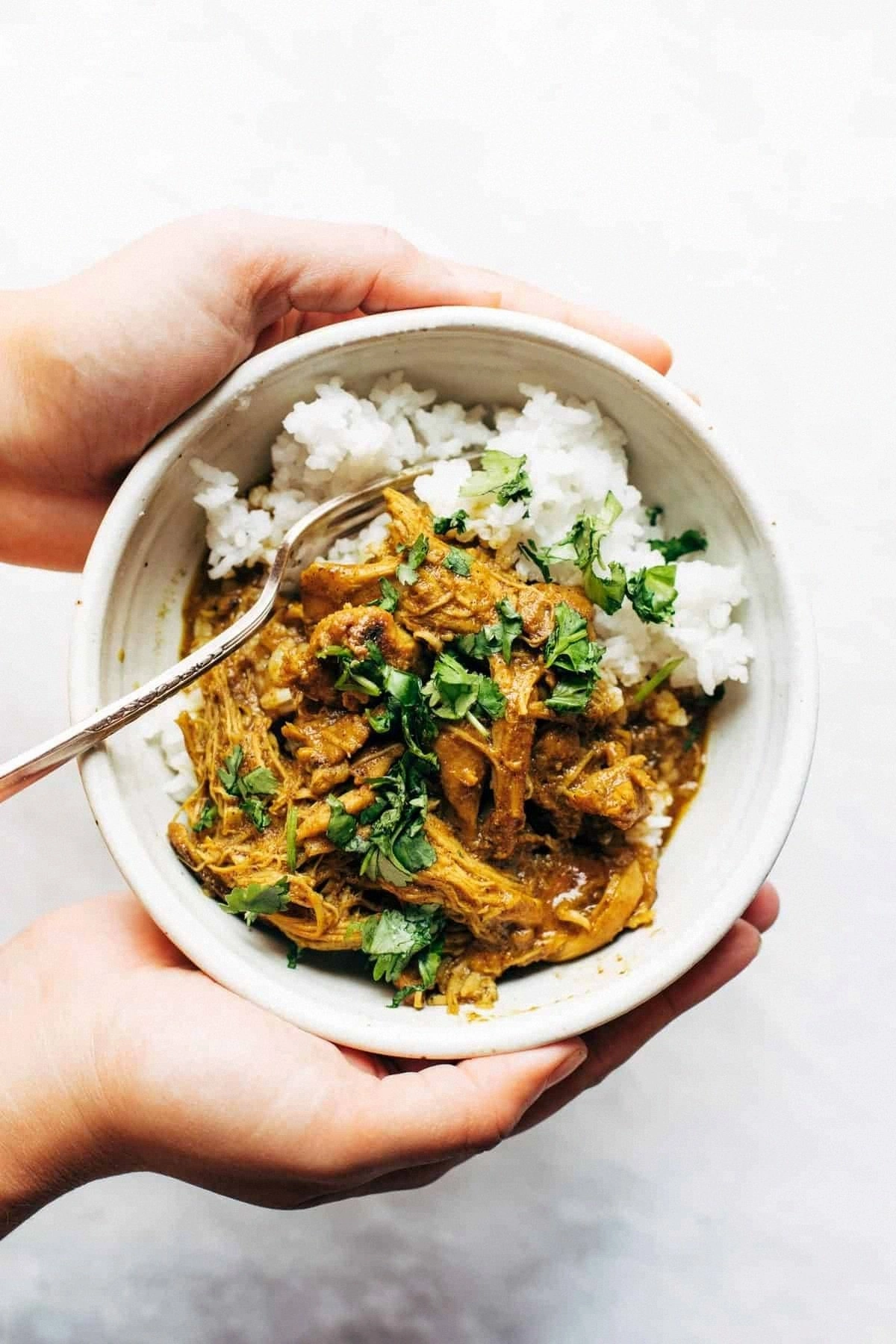
Transfer the sizzling chicken to a serving platter, drizzle any remaining sauce over the top, and garnish with chopped cilantro and an optional squeeze of fresh lime. The final presentation should be a burst of orange‑gold with specks of green, looking as vibrant as the flavors inside. Serve with fluffy basmati rice or warm naan, and watch the room light up as the first bite is taken.
That’s it — you did it. But hold on, I’ve got a few more tricks that’ll take this to another level. Stay with me here — this is worth it.
Insider Tricks for Flawless Results
The Temperature Rule Nobody Follows
Most home cooks set the “Sauté” mode to high and then panic when the oil smokes. The secret is to start at medium and only crank up the heat once the spices are fully toasted. This prevents burnt masala, which can turn the entire sauce bitter. I once rushed this step and ended up with a dish that tasted like charred cardboard – not a good look.
Why Your Nose Knows Best
Don’t rely solely on timers; trust your nose. When the spice paste turns a deep amber and releases a fragrant perfume, you know it’s ready for the liquid. If you smell a faint burnt odor, lower the heat immediately. Your sense of smell is an underrated kitchen gauge that can save a recipe before it goes south.
The 5‑Minute Rest That Changes Everything
After pressure cooking, let the pot sit for five minutes before releasing pressure. This short pause lets the chicken fibers relax and the sauce thicken naturally. Skipping this step results in a thin, watery sauce that slides off the chicken like a bad date.
Seal the Deal with a Sear
Even though the Instant Pot makes the chicken tender, a quick sear adds a caramelized crust that creates a textural contrast you can’t get from pressure alone. Use a hot skillet, not a cold one, and avoid crowding the pan – you want each piece to get a crisp edge, not steam.
Layered Sweetness for Balance
Adding honey at the very end, right before serving, preserves its bright floral notes. If you add it too early, the heat will mute its sweetness, leaving the dish overly spicy. A drizzle of honey just before plating adds a glossy finish and a subtle sweet lift.
Creative Twists and Variations
This recipe is a playground. Here are some of my favorite ways to switch things up:
Vegan Voyage
Swap the chicken for firm tofu or cauliflower florets. Marinate the tofu in the same spice mixture for at least an hour, then follow the same pressure‑cook routine. The result is a plant‑based version that still delivers that creamy, spicy punch.
Seafood Splash
Replace chicken with large shrimp or firm white fish like cod. Reduce the pressure time to 3 minutes, and finish with a quick sauté to avoid overcooking. The coconut‑tandoori sauce pairs beautifully with the delicate sweetness of seafood.
Smoky Chipotle Twist
Introduce a teaspoon of chipotle in adobo sauce along with the tandoori masala for a smoky, slightly sweet heat. This variation adds depth and a subtle BBQ vibe that’s perfect for summer barbecues.
Herb‑Infused Delight
Stir in a handful of fresh mint leaves during the final rest. The mint adds a refreshing coolness that counters the heat, creating a balanced flavor profile that’s especially lovely on warm evenings.
Nutty Crunch
Top the finished dish with toasted coconut flakes and slivered almonds just before serving. The crunch adds texture and reinforces the coconut theme, making each bite a delightful contrast of creamy and crisp.
Storing and Bringing It Back to Life
Fridge Storage
Transfer leftovers to an airtight container and refrigerate for up to four days. The flavors mellow and become even more harmonious after a night’s rest. When reheating, add a splash of water or coconut milk and gently warm on the stovetop to restore the sauce’s silkiness.
Freezer Friendly
Portion the cooked chicken and sauce into freezer‑safe bags or containers. Freeze for up to three months. To thaw, move the bag to the fridge overnight, then reheat in a saucepan, again adding a tiny splash of water to prevent drying out.
Best Reheating Method
The stovetop low‑simmer method is unbeatable. Place the frozen or refrigerated portion in a skillet, add a tablespoon of water or coconut milk, cover, and heat gently, stirring occasionally. This gentle approach revives the creamy texture without turning the sauce grainy.