Picture this: I’m standing in a cramped kitchen, the smell of burnt sugar creeping from a failed batch of cinnamon rolls, and my roommate’s voice in the background, “You can’t be serious.” I stared at the charred crumbs, felt the sting of disappointment, and decided that if I wasn’t going to get a sweet treat right, I was going to create a new one. That night, I turned on the coffee machine, brewed a strong cup, and let the aroma mingle with the scent of fresh ginger. The result? A pancake that feels like a warm hug, a latte, and a holiday cookie all wrapped into one. If you’ve ever stared at a stack of pancakes and felt them look bland, this recipe is going to change your mind.
The first thing that caught my eye was the golden brown edges that crackled as they lifted off the griddle—like tiny fireworks. The steam that rose was fragrant with cinnamon, nutmeg, and that unmistakable sharp bite of ginger. When you take a bite, the batter’s airy texture gives way to a subtle crunch from the coffee, and the sweet, caramelized brown sugar lifts the spice into a comforting crescendo. The final touch? A drizzle of maple syrup that melts into the warm layers, leaving a lingering, buttery aftertaste that feels like a holiday morning in your mouth.
What makes this version stand out is that it isn’t just a simple recipe; it’s an experience. The coffee infusion isn’t just a flavor tweak—it’s a secret ingredient that adds depth, a touch of bitterness that balances the sweet, turning the pancakes into a sophisticated breakfast. I dare you to taste this and not go back for seconds. The texture is a revelation: fluffy on the inside, crisp on the edges, and with a hint of coffee that keeps you coming back. It’s hands down the best version you’ll ever make at home. I’m not exaggerating; this is a game‑changer.
I’ve spent years experimenting with coffee‑infused pastries, and most attempts ended in disappointment. I’ve learned that the key is balance—too much coffee and the pancakes become bitter; too little and the flavor is lost. The trick? Brew a strong, slightly sweetened coffee, let it cool, then fold it into the batter. That’s the secret to the smooth, rich coffee flavor that permeates each bite. I’ll walk you through every single step—by the end, you’ll wonder how you ever made pancakes any other way.
What Makes This Version Stand Out
- Flavor Fusion: The bold combination of coffee, ginger, and spices creates a complex taste profile that feels both nostalgic and modern. The coffee grounds act as a subtle binder, enhancing the overall depth without overpowering the spices.
- Texture Triumph: The batter’s airy consistency, thanks to the right leavening balance, results in pancakes that rise beautifully while maintaining a tender crumb. The edges crisp to a golden finish that adds a pleasant contrast.
- Simplicity: Despite the layered flavors, the recipe requires only a handful of pantry staples. No fancy equipment, no time‑consuming prep—just a quick stir and a hot pan.
- Instant Crowd‑Pleaser: Friends and family will gasp in surprise when they taste the coffee twist, and the warm spices make it a perfect treat for any gathering.
- Ingredient Quality: Using high‑quality brown sugar and fresh ground spices elevates the flavor far beyond store‑bought mixes. The coffee’s roast level matters; a medium roast works best for this recipe.
- Make‑Ahead Potential: The batter can be prepared up to 24 hours in advance, thanks to the coffee’s preservative effect, making it ideal for busy mornings or weekend brunches.
- Versatility: This base can be adapted into pancakes, waffles, or even a coffee‑spiced cake, giving you endless creative options.
- Healthier Twist: The use of brown sugar and whole‑grain flour options can make it a slightly healthier alternative to traditional sweet pancakes.
Alright, let’s break down exactly what goes into this masterpiece…
Inside the Ingredient List
The Flavor Base
All-purpose flour is the foundation of any pancake, providing structure and giving the batter its characteristic rise. If you’re craving a nuttier flavor, substitute half of the flour with whole wheat or oat flour. Skipping flour will result in a batter that doesn’t hold together, causing the pancakes to collapse.
Brown sugar is more than just a sweetener; it brings a caramelized depth that pairs beautifully with spices. Using dark brown sugar instead of light will intensify the molasses undertone, giving each pancake a richer bite. If you’re watching calories, you can replace half the sugar with honey or maple syrup, but remember it will alter the batter’s consistency.
The Texture Crew
Baking powder and baking soda are the dynamic duo that makes pancakes rise. Baking powder provides the initial lift, while baking soda reacts with the acidic coffee to create extra lift and a lighter crumb. Removing one of these leavening agents will produce denser pancakes that might feel heavy in your mouth.
Ground ginger is the star spice that gives these pancakes their signature gingerbread flavor. Freshly ground ginger offers a brighter, more vibrant taste, whereas pre‑ground can taste dull. If you prefer a milder ginger presence, reduce the amount by one-third; if you’re a spice fanatic, increase it by the same amount.
The Unexpected Star
Ground cinnamon and nutmeg add warmth and depth, creating a cozy aroma that lingers long after the last bite. Cinnamon’s sweetness complements the coffee’s bitterness, while nutmeg’s subtle heat offers an aromatic finish. If you’re allergic or simply dislike nutmeg, omit it entirely; the pancakes will still shine.
Salt is a flavor enhancer that balances sweetness and brings out the spices’ full potential. A dash is all you need; too much salt will overpower the delicate flavors and make the pancakes taste metallic.
The Final Flourish
Milk provides moisture, helping the batter stay smooth and pourable. Whole milk adds richness, but low‑fat or plant‑based milks work fine if you’re looking for a lighter version. If you prefer a thicker batter, use buttermilk, which also reacts with the baking soda for a lighter texture.
Brewed coffee is the secret ingredient that turns these pancakes into a latte‑infused delight. A strong, slightly sweetened espresso or a medium roast brewed with a French press works best. Coffee not only adds flavor but also acts as a natural preservative, allowing the batter to sit for a day without spoiling.
Large egg ties everything together, providing structure and richness. If you’re vegan, replace it with a flaxseed or chia seed “egg” mixed with water. Skipping the egg will result in a batter that spreads too thin and lacks cohesion.
Melted butter adds a buttery flavor and keeps the pancakes moist. Use clarified butter for a higher smoke point, or stick to regular butter for a richer taste. If you’re avoiding dairy, a neutral oil like grapeseed works, but the flavor will shift slightly.
Everything’s prepped? Good. Let’s get into the real action…
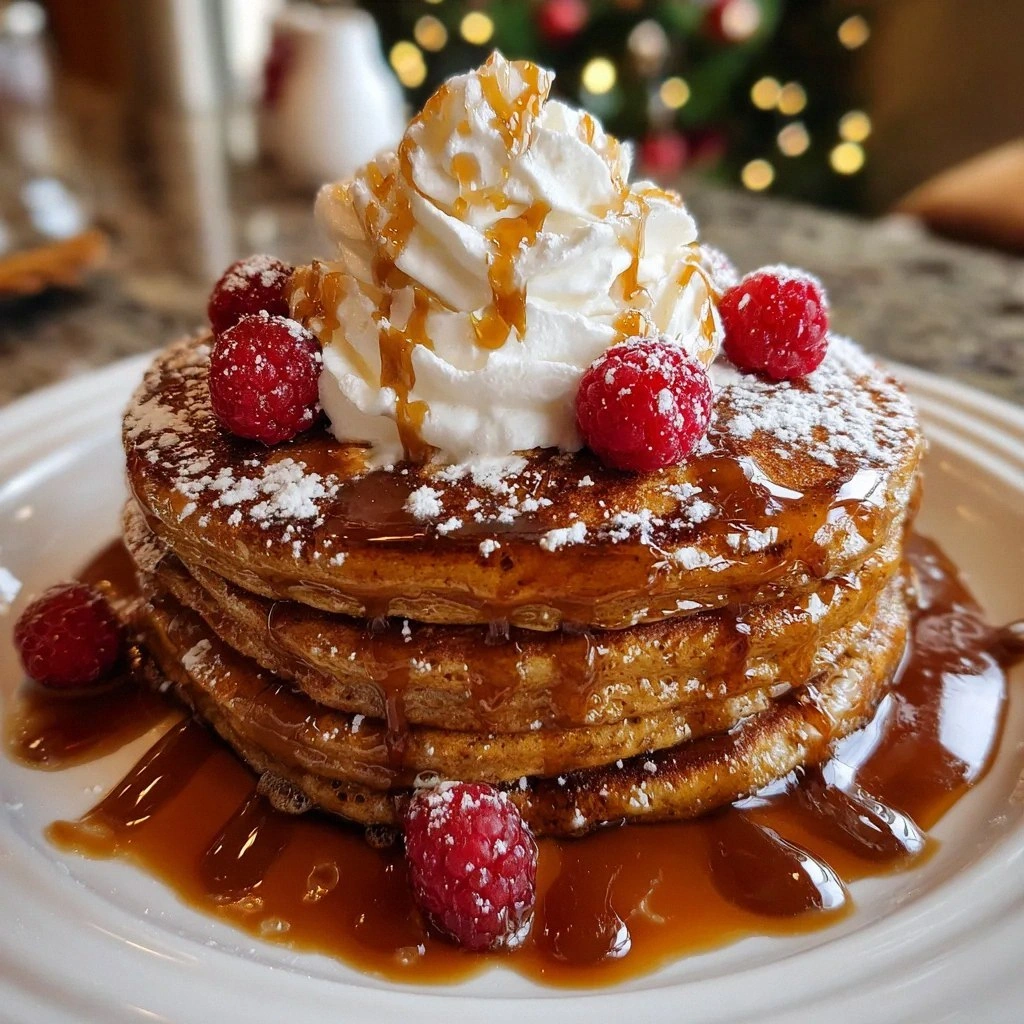
The Method — Step by Step
- In a large bowl, whisk together the flour, brown sugar, baking powder, baking soda, ginger, cinnamon, nutmeg, and salt. The dry mix should look like a light, fragrant powder. This step ensures an even distribution of leavening agents and spices, preventing any clumps that could lead to uneven rising.
- In a separate cup, combine the milk and brewed coffee. Stir until the coffee is fully dissolved. The coffee’s acidity will react with the baking soda, creating a gentle fizz that foreshadows the pancakes’ rise. If the coffee is too hot, let it cool to room temperature to avoid cooking the egg prematurely.
- Add the wet mixture to the dry ingredients, folding gently with a spatula. Be careful not to overmix; a few lumps are okay and will break down as the batter rests. Overmixing can lead to gluten development, making the pancakes tough.
- Stir in the egg and melted butter until just combined. The butter’s fat coats the flour, creating a tender crumb. If you’re using a plant‑based milk, add a splash of oat milk to help the batter flow smoothly.
- Let the batter rest for 5 minutes. This short resting period allows the flour to hydrate fully and the leavening agents to activate, resulting in a fluffier final product. The aroma during this time will already hint at the coffee and spice blend.
- Heat a non‑stick skillet or griddle over medium‑low heat. Lightly grease with a small amount of butter or oil. When the surface starts to shimmer, pour 1/4 cup of batter for each pancake. The batter should spread evenly and form a smooth top.
- Cook until bubbles form on the surface and the edges look set, about 2–3 minutes. Flip carefully with a spatula and cook the other side until golden brown, about 1–2 minutes more. The pancakes should smell toasty and the edges will start pulling away from the pan.
- Remove from the pan and place on a wire rack to keep them warm. Repeat with the remaining batter, adjusting heat as needed to prevent burning. If the batter is too thick, add a tablespoon of milk to loosen it; if too thin, add a tablespoon of flour to thicken.
That’s it — you did it. But hold on, I’ve got a few more tricks that’ll take this to another level. These subtle tweaks will elevate the flavor, texture, and presentation to professional standards.
Insider Tricks for Flawless Results
The Temperature Rule Nobody Follows
Many cooks assume high heat is the key to golden pancakes, but the truth is medium‑low heat allows the batter to cook evenly. The coffee’s acidity reacts more slowly, giving the pancakes time to rise and develop a tender crumb. If you’re using a cast‑iron skillet, preheat it for a full 5 minutes to ensure consistent temperature.
Why Your Nose Knows Best
During the resting period, the batter releases a subtle aroma of coffee and spices. Trust that scent; it signals the batter is ready. If the smell is faint, give it a few more minutes. This sensory checkpoint saves you from undercooked pancakes.
The 5‑Minute Rest That Changes Everything
Allowing the batter to rest lets the flour fully absorb liquid, reducing gluten formation. The result is a softer texture. I once skipped this step, and the pancakes were rubbery. The 5‑minute rest is a small price for a big payoff.
Use a Non‑Stick Surface
Even a lightly oiled pan can cause sticking if the heat is too high. A well‑seasoned cast‑iron or a seasoned non‑stick pan ensures a clean release. If you’re in a pinch, a silicone spatula works wonders for flipping.
Serve Immediately or Reheat Smartly
Pancakes are best enjoyed fresh, but if you need to store them, keep them in an airtight container. Reheat in a skillet over low heat, adding a splash of milk to revive moisture. I’ve found that reheating on a low flame with a lid keeps them fluffy.
Creative Twists and Variations
This recipe is a playground. Here are some of my favorite ways to switch things up:
Vanilla‑Infused Latte Pancakes
Swap the brewed coffee for an equal amount of vanilla‑infused milk. The result is a sweeter, milder flavor profile that pairs well with fresh berries. The vanilla complements the spices without overpowering them.
Chocolate‑Ginger Latte Pancakes
Add 2 tablespoons of cocoa powder to the dry mix and a splash of espresso. The chocolate depth balances the sharp ginger, creating a dessert‑like pancake that’s perfect for a brunch with a twist.
Almond‑Glazed Pancake Stack
Top the pancakes with a drizzle of almond butter and a dusting of almond flour crumbs. The nutty flavor adds a crunchy texture and a subtle sweetness that pairs beautifully with the coffee.
Spiced Apple Pancake Muffins
Fold diced apples into the batter and bake in a muffin tin. The apples release steam, giving the muffins a moist interior, while the spices keep the flavor consistent across each bite.
Vegan Coffee‑Spice Pancakes
Use a plant‑based milk, replace the egg with a flaxseed “egg,” and melt coconut oil instead of butter. The result is a creamy, vegan-friendly pancake that still delivers that coffee‑spice punch.
Cold Brew Latte Pancakes
Replace hot brewed coffee with cold brew concentrate. The result is a cooler, slightly tangy flavor that’s perfect for summer brunches or when you want a lighter taste.
Storing and Bringing It Back to Life
Fridge Storage
Place the cooked pancakes in a single layer on a parchment‑lined tray and let them cool completely. Once cooled, stack them and cover tightly with plastic wrap or a reusable container. They’ll stay fresh for up to 3 days in the refrigerator.
Freezer Friendly
After cooling, lay the pancakes flat in a freezer bag, separating each layer with parchment paper. Freeze for up to 2 months. When you’re ready to eat, pop one out and reheat in a toaster or microwave.
Best Reheating Method
The most effective way to revive frozen pancakes is to wrap them in a damp paper towel and microwave on medium for 20–30 seconds. For fresh pancakes, a quick sear on a hot skillet with a splash of milk restores moisture and warmth.