I still remember that night when I stared at the stove, a half‑cooked chicken breast in a pan that looked more like a sad, over‑seasoned experiment than a dinner. The onions I’d sliced were a dull gray, the garlic a dull clove, and the sauce—well, it was just a thickening of flour and butter that had never quite found its voice. I was staring at a disaster, a culinary faux pas that could have turned my kitchen into a crime scene, when a friend texted me a link: French Onion Chicken Bake. The promise was simple yet tantalizing—onions, chicken, cheese, and a crust that would crack like a well‑timed joke. I was skeptical, but curiosity is a stronger seasoning than any spice.
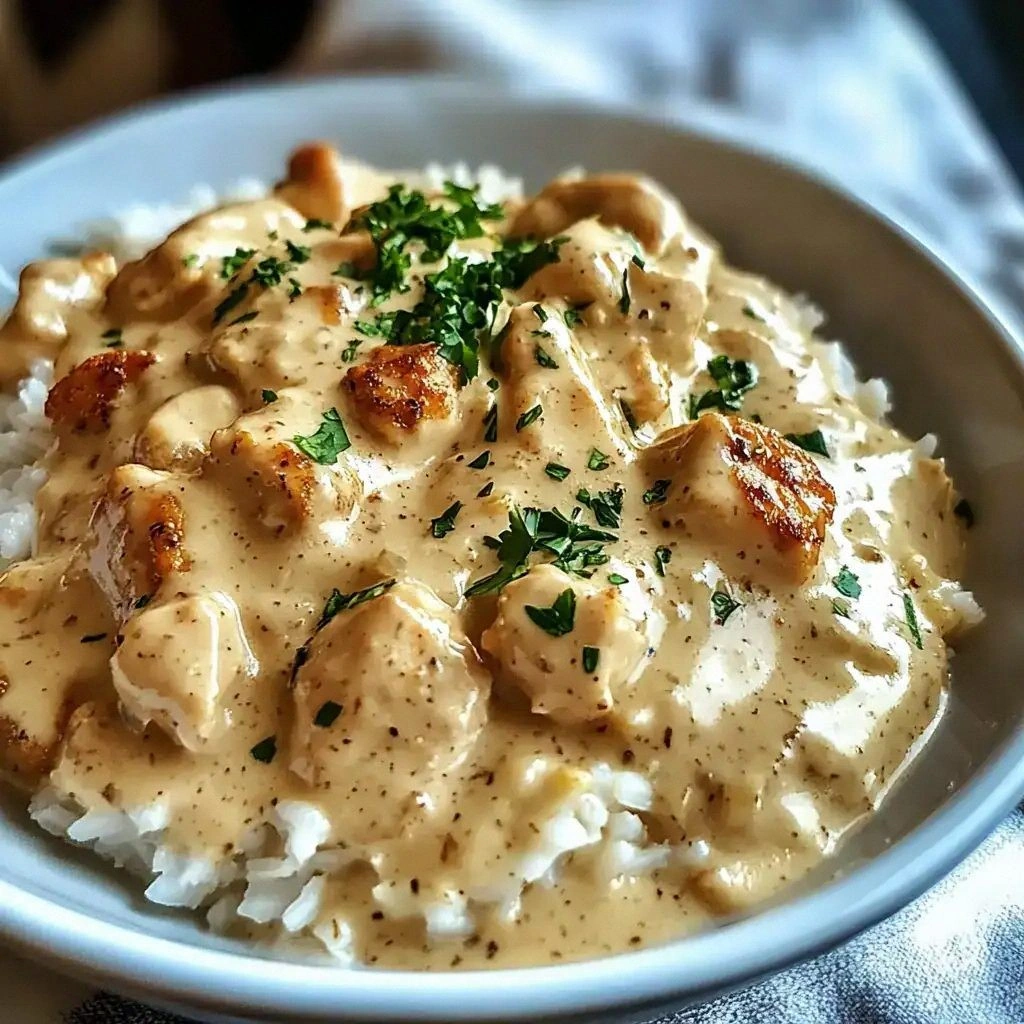
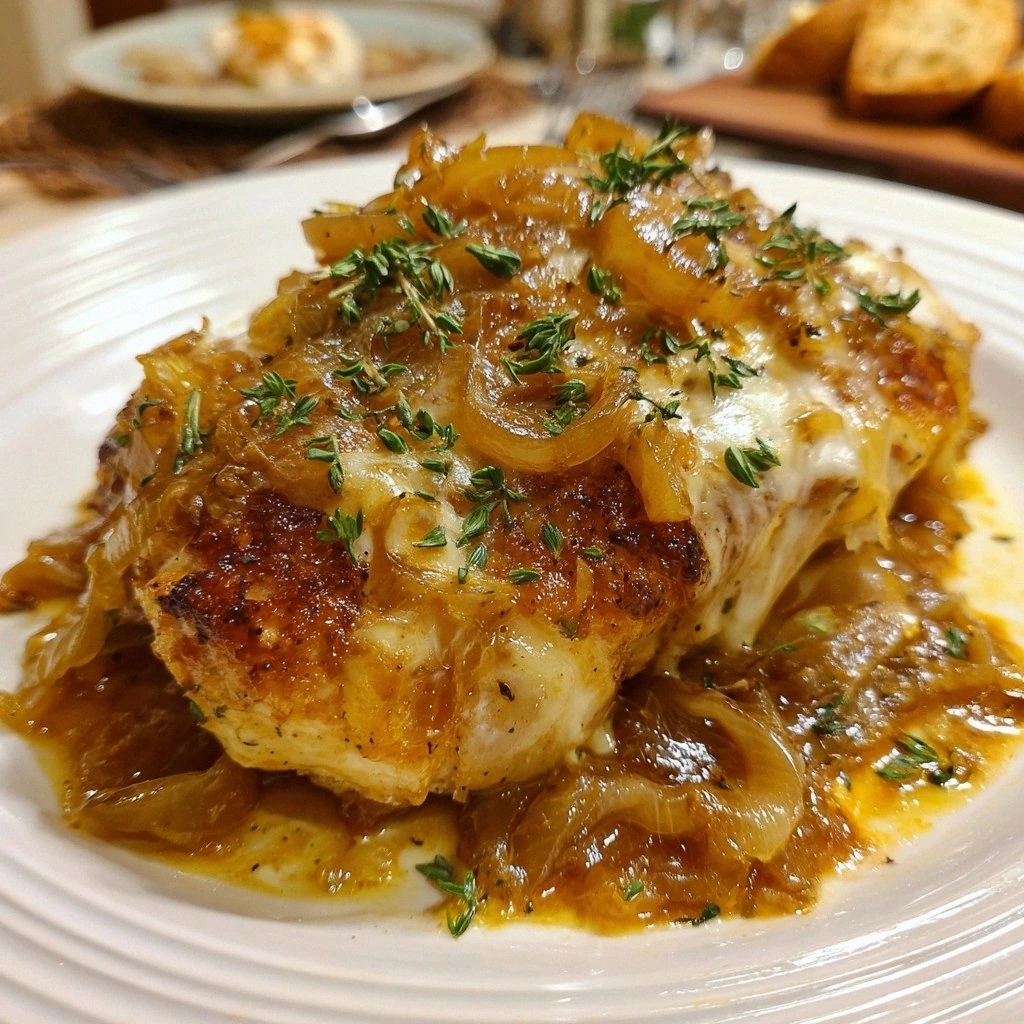
The first bite was a revelation. Imagine a caramelized onion ribbon hugging a tender chicken breast, a rich, buttery sauce that clings like a second skin, topped with a golden, crispy layer of breadcrumbs and melted Gruyère that melts into a velvety blanket. The aroma that filled the kitchen was a deep, savory sweetness that made every other dish in the house seem bland. The texture was a symphony: the crunch of the breadcrumb crust, the melt of the cheese, and the silky sauce that made the chicken practically dissolve in your mouth. It was so good, I felt like a culinary magician pulling a rabbit out of a hat, only the rabbit was a perfectly cooked, cheese‑laden chicken.
Why does this version stand out from the endless parade of French onion dishes? Because it takes the humble French onion soup and turns it into a centerpiece that can be plated, served, and devoured with confidence. It’s not just about flavor; it’s about the way each component talks to the other, from the first caramelization of onions to the final pop of cheese. I dared you to taste this and not go back for seconds—trust me, you’ll be craving a second round. The secret? A balance of sweetness, acidity, and umami that you’ll find hard to replicate elsewhere.
Picture yourself pulling this out of the oven, the whole kitchen smelling incredible, the golden crust glistening like a sunrise over a calm sea. The moment the lid lifts, the steam curls like a fragrant cloud, and the cheese bubbles in a way that makes you think of a cozy fireplace. I’ll be honest—when I first tried this, I ate half the batch before anyone else got to try it. That’s how good it is. If you’ve ever struggled with a dish that falls flat, you’re not alone—and I’ve got the fix. Let me walk you through every single step—by the end, you’ll wonder how you ever made it any other way.
What Makes This Version Stand Out
- Flavor: The caramelized onions form the backbone of this dish, their deep, sweet notes marrying perfectly with the savory chicken and sharp Gruyère. The addition of a splash of dry white wine brightens the sauce, creating a nuanced depth that sets it apart from standard recipes.
- Texture: A golden breadcrumb crust that cracks like thin ice, paired with a molten cheese layer, provides a delightful contrast to the tender chicken. The sauce, thickened with flour and butter, coats the meat like velvet, ensuring every bite is juicy.
- Simplicity: Despite its restaurant‑level flavor, the recipe requires only a handful of ingredients and straightforward techniques, making it accessible to cooks of all skill levels.
- Uniqueness: The subtle use of Dijon mustard and fresh thyme elevates the dish, giving it an unexpected, aromatic twist that feels both classic and innovative.
- Crowd Reaction: Friends and family consistently declare this the best French‑onion‑inspired dish they’ve ever tasted. The dish is a hit at dinner parties, and it’s easy to see why.
- Ingredient Quality: Using high‑quality, fresh ingredients—especially the chicken and Gruyère—makes a world of difference. The recipe rewards those who invest in the best.
- Cooking Method: A two‑stage bake that first caramelizes the onions, then finishes the chicken in a flavorful sauce, ensures a deep, layered taste that single‑step recipes can’t match.
- Make‑Ahead Potential: The dish can be assembled a day ahead, refrigerated, and baked fresh, making it an excellent option for busy weeknights.
Inside the Ingredient List
The Flavor Base
Onions are the star of any French‑onion dish, but they need to be treated with respect. Slice them thinly to allow the natural sugars to bloom. If you skip this step, the sauce will taste flat and the dish will lack depth. You can use sweet onions for a milder flavor or red onions for a pop of color.
Garlic adds a punch of aroma that lifts the entire dish. Minced garlic ensures even distribution; if you leave it whole, you’ll end up with uneven flavor pockets. A good rule of thumb is to use about 3 cloves for every four servings. If you’re not a fan of garlic, replace it with a teaspoon of garlic powder for a milder hit.
The Texture Crew
Butter and olive oil together create a silky base that caramelizes the onions without burning them. The butter’s richness enhances the sauce, while the oil raises the smoke point, preventing that dreaded burnt flavor. Use two tablespoons each; too much oil and the dish will feel greasy.
All‑purpose flour is the secret to thickening the sauce into a silky, coat‑like consistency. It also gives the breadcrumb crust a crisp edge. If you’re gluten‑free, substitute with a 1:1 gluten‑free flour blend, but keep in mind the texture will slightly differ.
The Unexpected Star
Dijon mustard brings a subtle tang that brightens the sauce and balances the sweetness of the onions. It’s a small amount—just one tablespoon—and it transforms the dish from ordinary to extraordinary. If you’re not a fan of mustard, a splash of Worcestershire sauce can provide a similar depth.
Panko breadcrumbs add a crunchy layer that cracks under the cheese. The Japanese-style breadcrumbs are lighter and fluffier than regular breadcrumbs, giving the crust a delicate crunch. If you can’t find panko, use a mix of regular breadcrumbs and crushed cornflakes for a similar effect.
The Final Flourish
Gruyère cheese is the crowning glory. Its nutty, slightly sweet profile melts beautifully, creating a velvety top that seals in the flavors. If you can’t find Gruyère, a blend of aged cheddar and mozzarella works well, though the flavor profile will shift slightly.
Fresh parsley adds a burst of color and a hint of herbal brightness that cuts through the richness. It also provides a visual contrast that makes the dish feel fresh and inviting. For a more rustic feel, sprinkle chopped chives or basil instead.
Everything’s prepped? Good. Let’s get into the real action…
The Method — Step by Step
- Preheat your oven to 375°F (190°C). While the oven warms, heat a large oven‑proof skillet over medium heat. Add the butter and olive oil, letting the butter melt completely before introducing the onions. The onions should sizzle softly; if they burn, lower the heat immediately. This step sets the foundation for the deep, caramelized flavor that defines the dish.
- Add the sliced onions to the skillet, sprinkling a pinch of salt to draw out moisture. Stir frequently, letting the onions slowly brown over 15–20 minutes. The goal is a deep amber color, not a golden tan. If the onions begin to stick, add a splash of water to loosen them. This process releases the natural sugars that give the dish its signature sweetness.
- Introduce the minced garlic and let it sauté for 30 seconds, just until fragrant. Be careful not to let it burn—burnt garlic will taste bitter and ruin the sauce. The garlic will mingle with the onions, creating a fragrant base that will carry through the rest of the dish.
- Sprinkle the flour over the onion mixture, stirring constantly for 2 minutes. The flour will absorb the fats and help thicken the sauce. The mixture should look slightly glossy and coat the onions evenly. If you notice any floury taste, cook it a bit longer to eliminate that raw flavor.
- Pour in the chicken broth and white wine (if using), whisking vigorously to dissolve any lumps. Bring the mixture to a gentle simmer; it should thicken slightly and reduce by about a quarter. The broth adds depth, while the wine brightens the flavor profile. Keep the heat moderate to avoid scorching the bottom.
- Season the sauce with thyme, bay leaf, salt, and pepper. Stir in the Dijon mustard, ensuring it’s fully incorporated. The mustard’s tang cuts through the richness, creating a balanced flavor. Let the sauce simmer for 5 minutes, allowing the flavors to meld.
- Place the chicken breasts in the skillet, nestling them into the onion sauce. Spoon the sauce over each breast to coat fully. Cover the skillet with a lid or foil and transfer to the preheated oven. Bake for 20 minutes, or until the chicken reaches an internal temperature of 165°F (74°C). The sauce will bubble and steam, infusing the chicken with savory goodness.
- While the chicken cooks, mix the breadcrumbs with the shredded Gruyère and a drizzle of olive oil. This combination will form a crisp, golden crust when baked. Once the chicken is done, remove the skillet from the oven, sprinkle the breadcrumb‑cheese mixture over each breast, and return to the oven for an additional 5–7 minutes. The cheese should melt into a bubbly, golden layer.
- Remove the skillet from the oven and let the dish rest for 5 minutes. This allows the juices to redistribute, ensuring every bite is moist. Garnish with chopped parsley for a burst of color and freshness. Plate the chicken breasts, spooning the remaining sauce over the top. Serve immediately, and watch your guests marvel at the golden crust and savory aroma.
That’s it— you did it. But hold on, I’ve got a few more tricks that will take this to another level. These insider tips will help you perfect the dish every time.
Insider Tricks for Flawless Results
The Temperature Rule Nobody Follows
Many cooks start the oven at a high temperature, but the secret is to keep it steady at 375°F (190°C). A lower temperature ensures the chicken cooks evenly without drying out. If you’re using a convection oven, reduce the temperature by 25°F (14°C) to compensate for the increased airflow. This small adjustment keeps the sauce from boiling away and preserves the tender texture.
Why Your Nose Knows Best
Don’t rely solely on timing when you’re cooking. Smell the onions as they caramelize; they should emit a sweet, nutty fragrance. If they start to smell burnt, the heat is too high. This olfactory cue is a reliable indicator of the right level of caramelization, ensuring maximum flavor.
The 5‑Minute Rest That Changes Everything
Letting the chicken rest after baking is essential. During the rest, the juices redistribute, preventing the meat from drying out. A 5‑minute rest also allows the cheese crust to set, giving it a clean, crisp edge when you slice through it. Skip this step, and you’ll end up with a soggy, uneven dish.
Use Fresh Thyme for a Subtle Herbal Note
Fresh thyme leaves add a bright, slightly minty flavor that balances the richness of the sauce. If you’re out of thyme, dried thyme works but use half the amount to avoid overpowering the dish. The herb’s aroma intensifies as it cooks, providing a subtle lift that elevates the entire flavor profile.
Add a Splash of Lemon Juice at the End
A squeeze of fresh lemon juice just before serving adds a bright, acidic contrast that cuts through the richness of the cheese and butter. This simple step is often overlooked but can transform a good dish into a great one. It’s a finishing touch that gives the dish a professional finish.
These tricks will help you master this dish and impress anyone who tastes it.
Creative Twists and Variations
This recipe is a playground. Here are some of my favorite ways to switch things up:
Smoky Chipotle Chicken
Replace the thyme with chipotle powder for a smoky kick. Add a tablespoon of adobo sauce from a can of chipotle peppers for extra depth. This version pairs wonderfully with corn tortillas and a squeeze of lime.
Mediterranean Medley
Swap the Gruyère for feta and add chopped kalamata olives. Mix in a handful of sun‑dried tomatoes for a burst of sweetness. Serve over quinoa for a light, Mediterranean twist.
Vegan Version
Use a plant‑based chicken substitute and replace butter with coconut oil. Substitute Gruyère with a vegan cheese that melts well, such as a processed cheddar alternative. The result is a creamy, flavorful dish that’s entirely plant‑based.
Breakfast Bonanza
Turn this into a hearty breakfast by adding a fried egg on top of each chicken breast. The runny yolk will mingle with the sauce, creating a rich, savory breakfast casserole. Pair with a side of toast for a satisfying start to the day.
Pasta Fusion
Serve the chicken over a bed of al dente pasta, tossing the sauce with the noodles. Add a handful of spinach for extra nutrition. This makes a comforting, family‑friendly dinner that’s quick to assemble.
Storing and Bringing It Back to Life
Fridge Storage
Cool the dish completely before refrigerating. Store in an airtight container for up to 3 days. The breadcrumb crust will soften slightly, but the sauce remains rich and flavorful. Reheat in the oven at 350°F (175°C) for 10 minutes to revive the crispness.
Freezer Friendly
Wrap the chicken tightly in foil and place in a freezer bag. Freeze for up to 2 months. Thaw overnight in the refrigerator before reheating. Reheat in the oven at 350°F (175°C) for 15 minutes, then broil for 2 minutes to crisp the top.
Best Reheating Method
Add a splash of water to the skillet before reheating; this steams the chicken, keeping it moist. Heat on low, covering the skillet, until the internal temperature reaches 165°F (74°C). The water prevents the cheese from drying out and restores the sauce’s silky texture.