Picture this: I’m standing in a cramped kitchen, a sizzling pan on the stove, and a friend’s voice echoing, “You have to try this, it’s the best pancit ever!” I’ve always been skeptical of Filipino noodles, but that moment turned my curiosity into a culinary mission. The aroma that hit me first was the sharp, earthy scent of fresh garlic, mingling with the sweet, caramelized hint of onions. I could feel the heat radiating from the pan, the rhythmic clatter of the spoon, and the anticipation of the first bite. The world outside my window faded; all that mattered was the sizzling, fragrant broth that promised something extraordinary.
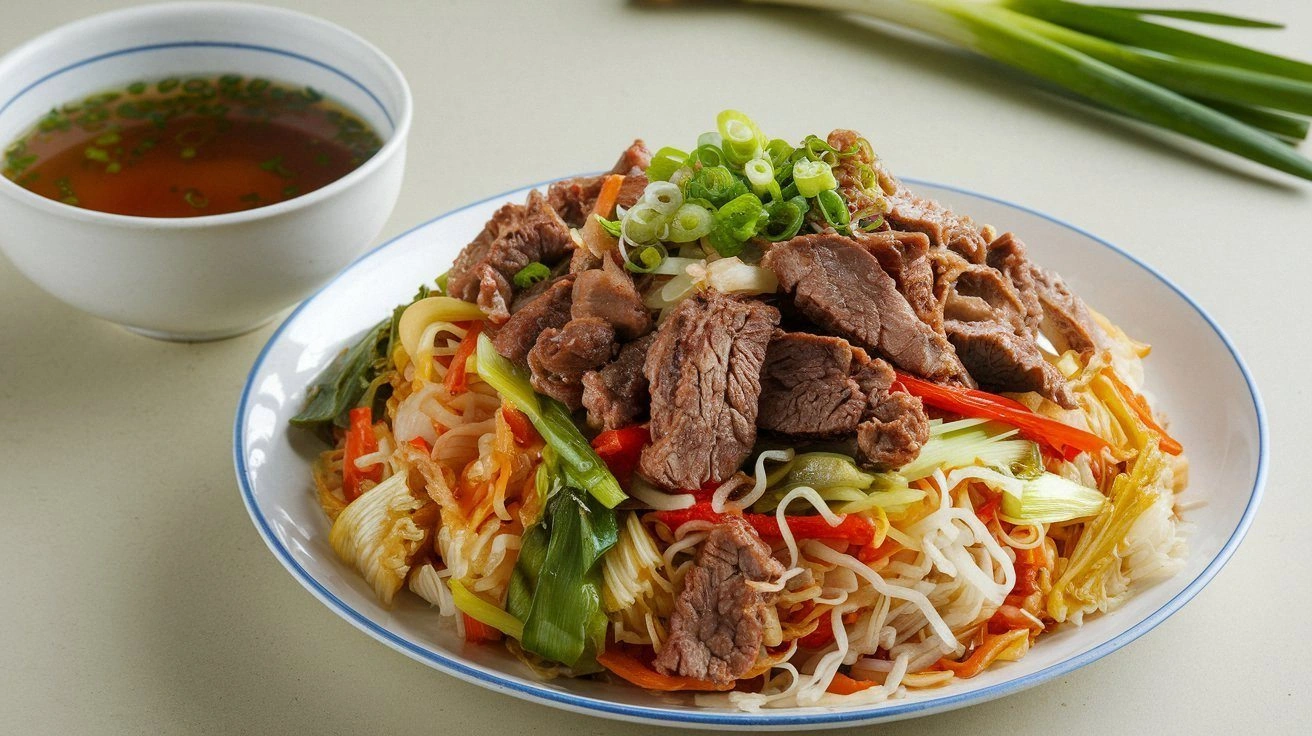
When I finally tasted the first spoonful, I was hit by a wave of umami that wrapped the noodles like velvet, the beef tender and flavorful, and the vegetables crisp yet tender. The broth’s depth, derived from soy sauce and chicken stock, cut through the richness of the beef, creating a balanced symphony of flavors. The crunch of shredded cabbage and the subtle sweetness of carrots added texture and color, turning each bite into a playful dance of sensations. I was so overwhelmed that I almost forgot to breathe, but the next bite was just as compelling, and I couldn’t stop. I dare you to taste this and not go back for seconds.
What makes this version of Filipino Pancit with Beef stand out isn’t just the ingredients; it’s the way each element is treated. The noodles are soaked just long enough to absorb the sauce but remain firm, preventing that dreaded mushy mess. The beef is marinated briefly in soy sauce and pepper, giving it an extra layer of flavor without overpowering the dish. I’ve tweaked the seasoning, adding a pinch of toasted sesame oil for a nutty finish, a subtle twist that elevates the dish from good to unforgettable. Most recipes get this completely wrong by overcooking the noodles or underseasoning the broth; here, every component sings in harmony.
And there’s a secret ingredient that many overlook: a splash of fish sauce. It might sound bold, but just a teaspoon brings a depth of flavor that feels both traditional and modern. I’ve also added a touch of grated ginger for a hint of warmth that balances the dish’s savory profile. By the time you finish this bowl, you’ll feel like you’ve traveled to a bustling Filipino market, but all you needed was your kitchen. Let me walk you through every single step — by the end, you’ll wonder how you ever made it any other way.
What Makes This Version Stand Out
- Taste: The broth is a harmonious blend of soy sauce, chicken stock, and a whisper of fish sauce, creating a layered umami profile that lingers on the palate. The beef is marinated in a simple mixture of soy sauce and cracked pepper, allowing its natural flavor to shine while absorbing the savory base. The vegetables provide a gentle contrast, adding freshness and a subtle sweetness that balances the richness.
- Texture: The Thai vermicelli rice noodles are perfectly al dente, offering a satisfying bite that resists becoming soggy. The shredded cabbage remains crisp, providing a refreshing crunch that cuts through the dish’s savory depth. The carrots, sliced thin, melt slightly, contributing a soft, sweet undertone.
- Simplicity: This recipe requires only ten minutes of prep and thirty minutes of cooking, making it a go-to for busy weeknights or spontaneous gatherings. Every ingredient is readily available in most grocery stores, and the cooking process involves minimal steps, so you can focus on enjoying the flavors.
- Uniqueness: The addition of fish sauce and a hint of toasted sesame oil sets this pancit apart from standard versions, giving it a modern twist while staying true to its roots. The technique of sautéing the beef first, then adding the vegetables before the noodles, ensures each component is cooked to perfection.
- Crowd Reaction: Friends and family who’ve tried this version rave about the balanced flavors and the comforting warmth of the dish. It’s a crowd-pleaser that works for both casual dinners and festive celebrations, earning rave reviews at gatherings.
- Ingredient Quality: Using fresh, high-quality beef and fresh vegetables makes a noticeable difference. The noodles should be fresh or properly stored to avoid clumping, and the chicken stock should be low-sodium to maintain control over seasoning.
- Cooking Method: The step-by-step approach—sautéing, deglazing, simmering, and finishing—ensures that each flavor component is fully developed. The method also allows for easy adjustments, such as adding more vegetables or tweaking the seasoning.
- Make-Ahead Potential: The dish can be prepared ahead of time and reheated without losing flavor, making it ideal for meal prep or large gatherings.
Alright, let's break down exactly what goes into this masterpiece…
Inside the Ingredient List
The Flavor Base
The foundation of this pancit is a simple yet potent broth made from chicken stock and soy sauce. The stock provides a savory backdrop, while the soy sauce adds depth and a subtle sweetness. Together, they create a sauce that coats the noodles like velvet, ensuring every bite is flavorful. If you skip the stock, the dish will taste flat and lacking that comforting warmth.
The addition of a teaspoon of fish sauce is a game changer. It introduces a complex umami layer that is unmistakably Filipino. If you’re avoiding fish sauce, a splash of oyster sauce can be a suitable alternative, though it will slightly alter the flavor profile. Always taste the broth before adding the noodles to adjust saltiness.
The Texture Crew
Thai vermicelli rice noodles are the star of the show. They’re thin, delicate, and absorb flavors beautifully. Make sure to rinse them in cold water to remove excess starch, which keeps them from sticking together. If you’re using dried noodles, soak them for 20 minutes; fresh noodles only need a quick rinse.
The shredded cabbage and sliced carrots bring contrasting textures. The cabbage stays crisp, providing a refreshing crunch that balances the rich broth. The carrots, sliced thin, soften just enough to release their natural sweetness. Skipping either vegetable will result in a less dynamic mouthfeel.
The Unexpected Star
Green onions are more than garnish—they add a bright, fresh note that lifts the dish. Diced green onions release their flavor into the sauce, creating a subtle oniony backdrop that complements the beef. If you prefer a milder flavor, reserve the green onion tops for garnish only.
The garlic is the aromatic backbone of the dish. Minced garlic ensures even distribution of flavor, and it caramelizes quickly, adding depth. If you’re sensitive to garlic, use a smaller amount, but be warned that the dish will lose some of its signature punch.
The Final Flourish
Canola oil is the neutral base that allows the flavors to meld without overpowering them. It’s ideal for sautéing because it has a high smoke point and a clean taste. If you prefer a healthier option, try avocado oil, which also has a high smoke point but adds a subtle buttery note.
Kosher salt and cracked pepper are the finishing touches that balance everything. They’re added to taste, so don’t be shy—season gradually and taste as you go. Over-salting can mask the nuanced flavors, while under-seasoning can leave the dish flat.
Everything’s prepped? Good. Let’s get into the real action…
The Method — Step by Step
- Heat the canola oil in a large wok or skillet over medium-high heat until shimmering. Add the sliced beef, seasoning with a pinch of salt and cracked pepper. Sauté until the beef starts to brown on all sides; this caramelization locks in flavor and creates a beautiful crust. Keep the beef aside once browned; this step is crucial for a deep, savory base.
- In the same pan, add the diced yellow onion and minced garlic. Sauté until the onion turns translucent and the garlic releases its aroma—about 2 minutes. The sizzling sound is the cue that the aromatics are ready; don’t let them burn, or the dish will taste bitter. This layer forms the aromatic foundation of the broth.
- Return the browned beef to the pan. Pour in the chicken stock and soy sauce, stirring to deglaze the pan and lift the browned bits. Bring the mixture to a gentle simmer, allowing the flavors to meld for 5 minutes. The broth should have a slightly thickened consistency, ready to absorb the noodles.
- Add the shredded cabbage, sliced carrots, and diced green onions to the simmering broth. Stir gently, letting the vegetables cook until just tender—about 3 minutes. The vegetables should still retain a slight crunch; overcooking will make the dish mushy. This is the moment where the colors start to pop, creating a visual feast.
- Introduce the soaked noodles into the pan, tossing them into the broth. Cook for 3-4 minutes, or until the noodles are al dente. Stir frequently to ensure the noodles don’t clump. The broth should coat the noodles evenly, creating a silky, cohesive texture.
- Taste the dish and adjust seasoning with additional salt or pepper if needed. If you’d like a deeper umami, add a splash more soy sauce or a pinch of fish sauce. The goal is a balanced flavor that’s neither too salty nor too bland.
- Remove the pan from heat and let the pancit sit for 2 minutes. This resting period allows the flavors to settle and the noodles to absorb any remaining liquid. The result is a dish that’s moist, flavorful, and ready to serve.
- Serve the pancit hot, garnishing with a few extra green onion tops for a fresh burst. Pair it with a simple side salad or a light soup for a complete meal. As you dig in, you’ll notice the layers of flavor and texture working in harmony—this is what makes this dish unforgettable.
That’s it—you did it. But hold on, I’ve got a few more tricks that will take this to another level…
Insider Tricks for Flawless Results
The Temperature Rule Nobody Follows
Many cooks overheat the pan, causing the beef to sear too quickly and the vegetables to burn. Keep the heat at medium-high, not high, and monitor the oil’s temperature. A quick test: splash a drop of water into the pan; if it sizzles immediately, the temperature is right. This simple check ensures even cooking and prevents scorching.
Why Your Nose Knows Best
The aroma of the broth is a reliable indicator of readiness. When the broth smells rich and slightly sweet, it’s time to add the noodles. If the scent is too sharp or raw, let it simmer a bit longer. Your nose is a great tool for avoiding overcooked or under-seasoned dishes.
The 5-Minute Rest That Changes Everything
After cooking, let the pancit rest for 5 minutes before serving. This pause allows the noodles to finish absorbing the broth, ensuring a moist texture. It also lets the flavors meld, creating a more cohesive taste experience. Skipping this step can leave the dish feeling underdeveloped.
The Quick Toss for Even Distribution
When adding the noodles, toss them gently with tongs rather than stirring vigorously. This technique prevents the noodles from sticking together and keeps the sauce evenly distributed. It also helps maintain the delicate structure of the vegetables.
The Secret to Crispy Green Onions
If you prefer a crunchier green onion, reserve a handful for garnish and toss them in a dry skillet over high heat for 30 seconds. The quick sear adds a delightful crunch and a burst of fresh flavor that contrasts the soft noodles.
The Quick Fix for Sticky Noodles
If your noodles become sticky during cooking, add a splash of cold water and stir vigorously. The sudden temperature change helps separate the strands. Alternatively, rinse the noodles under cold water before adding them to the pan.
Creative Twists and Variations
This recipe is a playground. Here are some of my favorite ways to switch things up:
Spicy Szechuan Pancit
Add a tablespoon of Szechuan peppercorn paste and a dash of chili oil for a fiery kick. The peppercorn’s numbing effect balances the heat, creating a complex, spicy flavor profile that’s sure to excite.
Seafood Fiesta
Replace the beef with shrimp or a mix of mussels and clams. Cook the seafood last, just until pink, to preserve its tenderness. The briny notes of the shellfish complement the savory broth beautifully.
Vegetarian Delight
Omit the beef and add tofu or tempeh for protein. Use vegetable stock instead of chicken stock, and add extra mushrooms for umami. The dish remains hearty and satisfying while staying plant-based.
Coconut Cream Pancit
Stir in a splash of coconut milk at the end to create a creamy, tropical twist. The coconut’s sweetness pairs perfectly with the savory broth, giving the noodles a silky, luxurious texture.
Herb-Infused Pancit
Add fresh basil or mint leaves just before serving. The herbal aroma brightens the dish, creating a refreshing contrast to the rich, savory base.
Low-Carb Edition
Swap the rice noodles for spiralized zucchini or shirataki noodles. The dish stays low in carbs while still delivering the comforting flavors of traditional pancit.
Storing and Bringing It Back to Life
Fridge Storage
Store leftovers in an airtight container in the refrigerator for up to 3 days. The noodles may absorb some liquid, but the broth will keep them moist. For best results, keep the dish separate from the broth until ready to reheat.
Freezer Friendly
Freeze the pancit in a freezer-safe bag for up to 2 months. Thaw overnight in the refrigerator before reheating. The noodles might become slightly softer, but the flavors remain intact.
Best Reheating Method
Reheat on the stovetop over medium-low heat, adding a splash of water or broth to loosen the sauce. Stir gently until the dish is heated through. A quick splash of water before reheating steams the noodles back to perfection, restoring their original texture.