It started with a kitchen catastrophe that could only be described as a culinary tragedy. I was trying to make a quick dinner for a group of friends, and the pasta pot exploded like a volcano, sending shells everywhere. The chaos left me with a pile of empty shells and a craving that could not be ignored. That night, I vowed to turn that disaster into the ultimate comfort dish, and the result was a stuffed shell masterpiece that still makes my heart race every time I cook it.
Picture this: a pot of boiling water, the aroma of garlic and basil rising like a fragrant cloud, the sound of shells popping into the liquid like tiny applause. When you lift the pot, the shells look like miniature nests, each one ready to cradle a creamy, cheesy filling. The first bite is a symphony of textures—soft pasta, silky ricotta, and a slight snap from the mozzarella topping. The flavors mingle like old friends reunited, the tomato sauce coating the shells like velvet, while the herbs whisper their freshness. This dish isn’t just food; it’s an experience that lingers on your palate and in your memory.
What makes this version stand out? The secret lies in the harmony of ingredients, the method that preserves their integrity, and a few clever hacks that elevate the dish from ordinary to unforgettable. I’ve spent months tweaking the recipe, and the result is hands down the best stuffed shells you’ll ever make at home. I dare you to taste this and not go back for seconds. The sauce is robust, the filling airy, and the cheese combination creates a molten crown that shatters like thin ice when you bite into it.
Let me walk you through every single step—by the end, you’ll wonder how you ever made it any other way. I’ll share the techniques that keep the shells from becoming mushy, the timing that locks in freshness, and the finishing touches that make this dish shine. Prepare to be amazed, to laugh at the little kitchen mishaps, and to feel the confidence that comes from mastering a dish that everyone will rave about.
What Makes This Version Stand Out
- Taste: The combination of ricotta, mozzarella, and Parmesan creates a layered flavor profile that is both creamy and savory. The fresh basil and parsley add a bright, herbaceous note that cuts through the richness.
- Texture: Jumbo shells provide a substantial bite, while the ricotta filling remains light and airy. The mozzarella topping melts into a golden, slightly crisp crust.
- Simplicity: No need for fancy sauces or complicated fillings. All you need is pantry staples and a few fresh herbs.
- Uniqueness: The use of whole milk ricotta and a splash of egg to bind the filling gives the dish a silky finish that sets it apart from other stuffed shell recipes.
- Crowd Reaction: Guests rave about the melt-in-your-mouth texture and the burst of flavor from the tomato sauce and herbs.
- Ingredient Quality: Using high‑quality cheeses and fresh herbs elevates the dish, making it feel gourmet without the effort.
- Cooking Method: Boiling the shells in salted water until al dente and assembling them before baking ensures the shells stay firm.
- Make‑ahead Potential: The dish can be assembled ahead of time, refrigerated, and baked right before serving, making it perfect for dinner parties.
Alright, let's break down exactly what goes into this masterpiece…
Inside the Ingredient List
The Flavor Base
Marinara sauce is the backbone of this dish. Use a 28‑ounce can of crushed tomatoes seasoned with olive oil, dried basil, and a bay leaf. The sauce should be simmered for at least 15 minutes to develop depth. Skipping the bay leaf will leave the sauce a bit flat; the leaf adds a subtle earthiness that balances the sweetness of the tomatoes.
The Texture Crew
Jumbo pasta shells are essential for a satisfying bite. A 10‑12 ounce package yields about 18 shells, which is perfect for a four‑person dinner. If you can’t find jumbo shells, use medium shells but increase the quantity by two to compensate for the smaller size. The shells should be boiled until al dente; overcooking will cause them to break apart during baking.
The Unexpected Star
Ricotta cheese is the star of the filling. The 15‑ounce whole‑milk ricotta provides a silky texture and a mild, slightly sweet flavor. If you prefer a firmer filling, substitute part of the ricotta with cottage cheese; this will add a pleasant bite. Remember, ricotta is moist, so the egg acts as a binder to keep the mixture from separating.
The Final Flourish
Fresh herbs—chopped basil and parsley—add a bright, aromatic finish. Use about ¼ cup of each, which translates to roughly 1 tablespoon of each if you prefer a more concentrated herb flavor. If you’re short on fresh herbs, dried versions work, but use half the quantity to avoid overpowering the dish.
Everything's prepped? Good. Let's get into the real action…
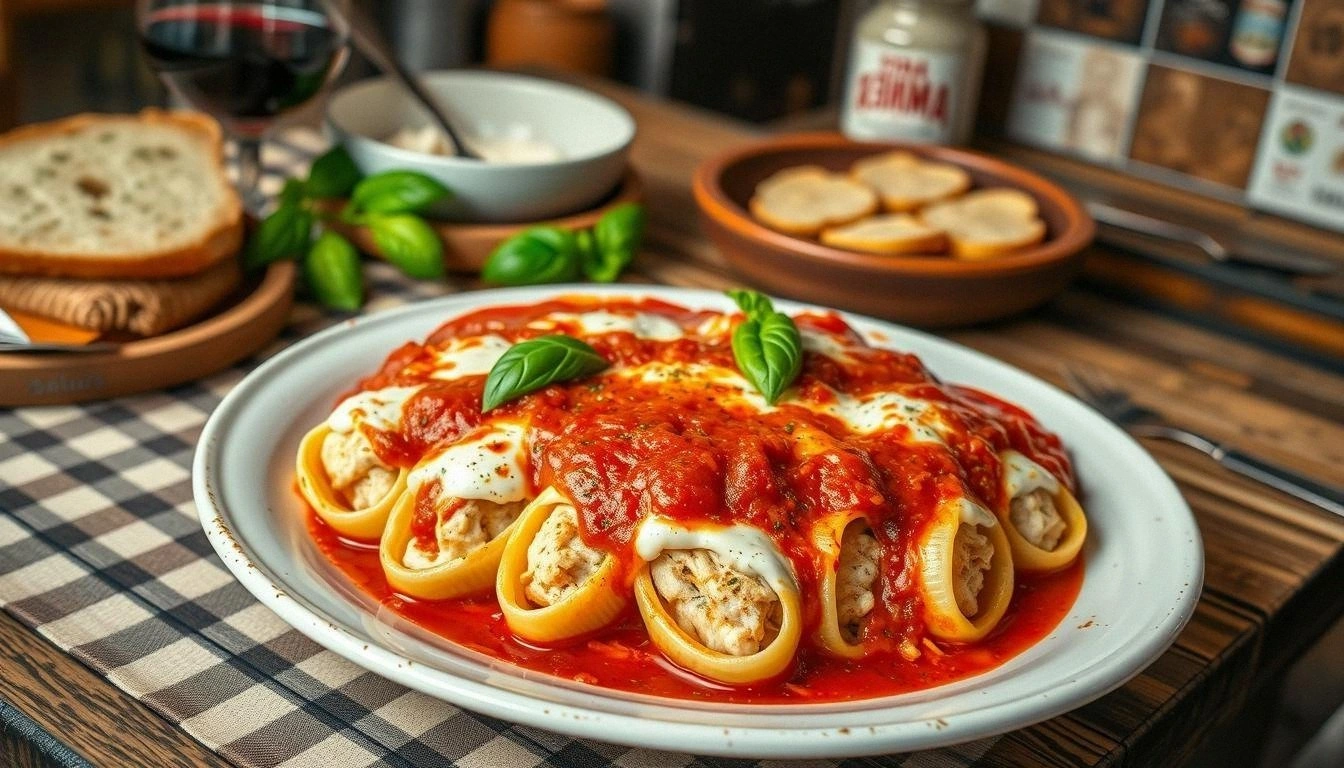
The Method — Step by Step
-
Bring a large pot of salted water to a rolling boil. Add a tablespoon of olive oil; this helps keep the shells from sticking together. Drop the jumbo shells into the pot and cook them for 5–6 minutes, or until they’re al dente—firm but not hard. Drain and rinse under cold water to halt the cooking process. This step is crucial; if the shells are overcooked, they’ll break apart during baking.
-
While the shells are still hot, set them aside in a large mixing bowl. The heat helps the shells absorb the sauce later. Sprinkle a pinch of salt and a drizzle of olive oil over them, then toss to coat evenly. This simple step prevents the shells from drying out and gives them a subtle sheen that will catch the eye.
-
In a separate bowl, combine the ricotta, 4 ounces of mozzarella (for the filling), ½ cup of grated Parmesan, the egg, and the minced garlic. Mix until smooth and well‑combined. The egg acts as a binder, ensuring the filling stays together when the shells are placed in the baking dish.
-
Fold in the chopped basil and parsley. The herbs should be evenly distributed throughout the filling. If you’re using dried herbs, add them in smaller amounts to avoid bitterness. Taste the mixture; if you feel it needs a bit more depth, a dash of salt will bring everything together.
-
Spread a thin layer of marinara sauce at the bottom of a 9×13 inch baking dish. This creates a flavorful base that will seep into the shells as they bake.
-
Carefully spoon the ricotta mixture into each shell, filling them to the top. Place the stuffed shells back into the baking dish, standing upright if possible. If you’re short on space, you can layer them in a single layer, but be sure to leave a small gap between each shell to allow the sauce to circulate.
-
Cover the dish tightly with aluminum foil. Bake in a preheated 375°F (190°C) oven for 20 minutes. The foil traps steam, ensuring the shells stay moist and the filling sets.
-
Remove the foil, sprinkle the remaining 4 ounces of mozzarella over the top, and return the dish to the oven. Bake for an additional 10 minutes, or until the cheese is golden brown and bubbly. The top should look like a golden crown, ready to be sliced and served.
-
Let the dish rest for 5 minutes before serving. This brief pause allows the filling to set fully, preventing it from sliding out when you cut into the shells. While it rests, you can finish plating or garnish with a sprinkle of fresh herbs.
-
Serve hot, straight from the oven, with a side of garlic bread or a simple green salad. The aroma of the baked cheese, the tangy tomato sauce, and the fresh herbs will fill your kitchen and your guests’ mouths. Enjoy the moment of pure culinary bliss.
Insider Tricks for Flawless Results
The Temperature Rule Nobody Follows
Many people bake stuffed shells at 400°F, but the lower 375°F allows the cheese to melt evenly without burning the sauce. The oven’s heat circulates gently, keeping the shells from drying out. I once baked at a higher temperature and the sauce scorched, ruining the dish.
Why Your Nose Knows Best
Smell the sauce as it simmers. If it starts to develop a faint burnt aroma, lower the heat. A warm, tomato‑rich scent is a sign the sauce is developing the perfect umami depth.
The 5‑Minute Rest That Changes Everything
After baking, let the dish rest for exactly five minutes. This pause allows the filling to set, preventing it from sliding out when you cut into the shells. It also lets the flavors meld, creating a cohesive bite.
Keep It Moist
When boiling the shells, add a splash of olive oil to the water. This step keeps the shells from absorbing too much water, which can make them soggy during baking.
Cheese Matters
Use a blend of mozzarella and Parmesan. The mozzarella provides meltiness, while the Parmesan adds a sharp, nutty flavor that balances the ricotta’s mildness. If you’re vegan, substitute a plant‑based cheese blend.
Creative Twists and Variations
This recipe is a playground. Here are some of my favorite ways to switch things up:
Spinach and Feta Delight
Swap the ricotta for a mixture of ricotta and crumbled feta, and fold in a cup of sautéed spinach. The feta adds a tangy bite that contrasts beautifully with the sweet marinara.
Mexican‑Inspired Shells
Replace the marinara with a smoky chipotle tomato sauce, add black beans, corn, and a sprinkle of cheddar cheese. Serve with a side of guacamole for a fiesta‑ready dinner.
Chicken Alfredo Shells
Use a creamy Alfredo sauce instead of marinara, and fold in shredded chicken breast. Top with grated Parmesan and bake until golden for a rich, comforting dish.
Vegetarian Veggie Shells
Add diced bell peppers, zucchini, and mushrooms to the filling. The vegetables add crunch and flavor, making the dish hearty and wholesome.
Seafood Shells
Replace the chicken with a mixture of shrimp and scallops. The seafood pairs wonderfully with the creamy filling, creating a luxurious, restaurant‑style dish.
Gluten‑Free Shells
Use gluten‑free jumbo shells and a gluten‑free marinara sauce. The recipe remains the same, ensuring that everyone can enjoy the dish.
Storing and Bringing It Back to Life
Fridge Storage
Cool the dish completely before covering it tightly with plastic wrap. Store in the refrigerator for up to 2 days. Reheat in a 350°F oven for 15 minutes, or until warmed through.
Freezer Friendly
Cool the dish, then wrap it in foil and place it in a freezer bag. Freeze for up to 3 months. Thaw overnight in the refrigerator before reheating in the oven as described above.
Best Reheating Method
Before reheating, splash a tablespoon of water onto the dish and cover with foil. This adds moisture, preventing the shells from drying out and keeping the filling creamy.