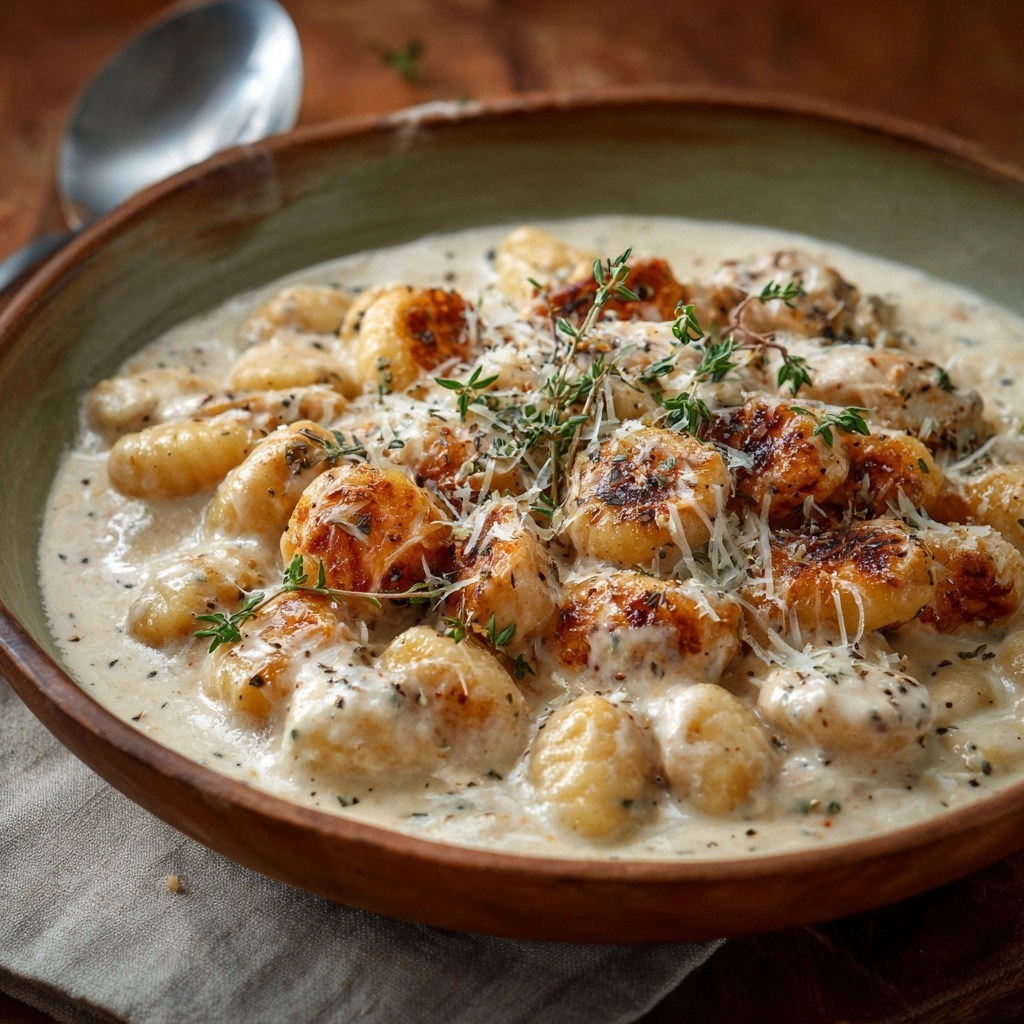
Picture this: I was halfway through a marathon of take‑out orders, feeling the creeping dread of a bland weeknight dinner, when the kitchen clock struck midnight and a stubborn pot of dry couscous sat on the stove. I stared at the stubborn grains, the way they clumped together like a stubborn crowd at a concert, and thought, “What if I could turn this into something that sings?” I reached for the pantry, grabbed a handful of fresh spinach, a block of feta, and a splash of lemon juice, and the kitchen suddenly smelled like a Mediterranean market on a sunny afternoon. The sizzle of olive oil in the pan was a promise of flavor, and the faint scent of garlic was like a secret handshake between the stove and my senses. I was about to discover a dish that would make my taste buds do a little happy dance, and I can’t wait to share every juicy detail with you.
I dare you to taste this and not go back for seconds. The first bite hits with a burst of bright lemon and the creamy saltiness of feta, while the spinach gives that tender, almost silky texture that melts in your mouth. The toasted pine nuts add a subtle crunch that breaks the softness, and the cherry tomatoes give a sweet pop that cuts through the richness. It’s a symphony of textures and flavors that feels like a vacation in your own kitchen. If you’ve ever struggled with making couscous feel exciting, you’re not alone — and I’ve got the fix.
Most recipes get this completely wrong by treating couscous like a side dish or overcooking the greens. I’ve spent years experimenting with ratios, and this version is hands down the best you’ll ever make at home. The secret? A quick sauté of onion and garlic that caramelizes just enough to bring out the natural sweetness of the vegetables, followed by a gentle simmer of broth that infuses the grains with a subtle savory depth. The feta isn’t just a garnish; it’s the creamy anchor that ties everything together. I’ll be honest — I ate half the batch before anyone else got to try it. That’s the power of this dish.
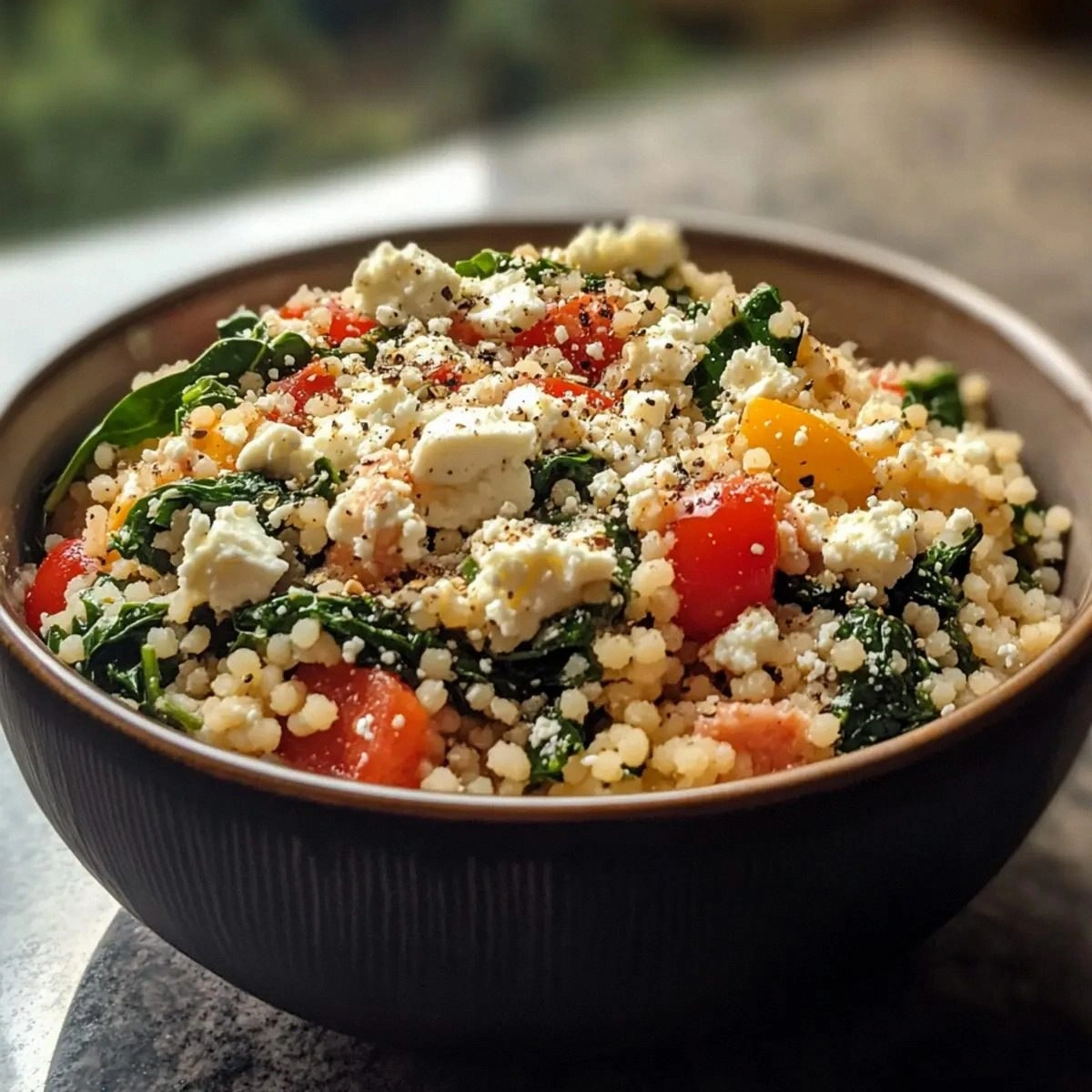
Imagine pulling the bowl out of the pot, the steam curling around the rim like a fragrant cloud. The aroma of toasted pine nuts mingles with the sharp tang of lemon, and the bright green of spinach looks almost too vibrant to eat. As you scoop a spoonful, the couscous feels fluffy, the spinach tender, and the feta briny and dreamy. You can almost hear the gentle clink of the spoon against the ceramic as you taste the layers. That sizzle when it hits the pan? Absolute perfection. Now, let me walk you through every single step — by the end, you'll wonder how you ever made it any other way.
The first thing I do is set the stage with a flavor base that will carry the dish. I heat olive oil in a large skillet over medium heat, then add finely diced red onion and let it soften until it’s translucent and slightly caramelized. I then toss in minced garlic, letting it sing for just 30 seconds until it’s fragrant but not burnt. The goal is to create a fragrant foundation that will elevate every other ingredient. This base is the secret sauce that keeps the dish from feeling flat, and it’s a step that most people skip or rush through.
I love the way the onion and garlic create a golden hue that signals the next phase. As they cook, they release a subtle sweetness that balances the sharpness of the feta. I let the mixture simmer for a minute, then I pour in the vegetable broth, bringing the pot to a gentle boil. The broth is the lifeblood of the couscous, infusing it with flavor as it steams. The moment the liquid starts to bubble, you can already hear the grains beginning to soften, and the kitchen feels alive.
At this point, I add the couscous, stir it in, and cover the skillet. I reduce the heat to low and let it steam for 10 minutes, or until the grains are tender and fluffy. I always check the couscous with a fork to ensure it’s not gummy or overcooked. This step is crucial because overcooked couscous turns into a mushy mess, while undercooked grains are chewy and unpleasant. The result should be a light, airy texture that feels like a cloud of flavor.
While the couscous is steaming, I prepare the greens. I toss the fresh spinach in a large bowl with a splash of lemon juice, a pinch of salt, and a drizzle of olive oil. The lemon juice not only brightens the dish but also helps keep the spinach from wilting too quickly. I give the mixture a quick toss to coat every leaf evenly. This prep step is simple but essential for achieving that vibrant green color that makes the dish look as good as it tastes.
Once the couscous is ready, I fold in the spinach, cherry tomatoes, and toasted pine nuts. I gently stir everything together, letting the spinach wilt just enough to retain its texture and color. Then I crumble the feta over the top, allowing it to melt slightly into the warm grains. The feta’s creamy texture contrasts beautifully with the crunchy pine nuts and the juicy tomatoes. The final touch is a generous squeeze of lemon juice, which adds a bright, zesty finish that lifts the entire bowl.
The moment you take your first bite, you’ll notice the layers of flavor working together like a well‑orchestrated band. The feta’s saltiness harmonizes with the sweet spinach, while the pine nuts add a subtle nutty crunch that keeps the dish from feeling too soft. The lemon juice cuts through the richness, leaving a clean, refreshing aftertaste. I can’t help but say, “This is pure magic.” If you’re ready for a bowl that will have your guests begging for seconds, keep reading. The next section breaks down exactly what goes into this masterpiece.
What Makes This Version Stand Out
- Flavor Depth: The caramelized onion and garlic base creates a rich, savory foundation that elevates the couscous beyond plain grains. The subtle sweetness of the onions balances the sharp feta, making every bite harmonious.
- Texture Contrast: The fluffy couscous, tender spinach, crisp pine nuts, and juicy cherry tomatoes combine to give each spoonful a multi‑sensory experience. The feta melts into pockets of creaminess that surprise the palate.
- Quick Assembly: From sauté to steam, the entire dish takes less than 45 minutes, making it ideal for busy weeknights. The method is straightforward, so even novice cooks can master it.
- Ingredient Quality: Using fresh spinach, a block of authentic feta, and high‑quality olive oil transforms the dish into a gourmet experience. The ingredients are simple but premium, ensuring a taste that feels indulgent.
- Versatility: This bowl can double as a light lunch or a hearty dinner. It works beautifully with a side of grilled chicken or a splash of extra lemon for a zesty kick.
- Make‑Ahead Potential: The dish retains its texture when reheated, thanks to the careful balance of moisture and starch. Store leftovers in an airtight container and reheat with a splash of broth.
- Eye‑Catching Presentation: The vibrant green of spinach, the bright red of cherry tomatoes, and the golden feta create a color palette that looks as good as it tastes. It’s a feast for the eyes and the taste buds.
- Audience Appeal: The combination of Mediterranean flavors resonates with a wide audience, from health‑conscious eaters to comfort‑food lovers. The dish feels both wholesome and indulgent.
Alright, let’s break down exactly what goes into this masterpiece…
Inside the Ingredient List
The Flavor Base
The vegetable broth is the liquid backbone of this dish. It’s what turns the couscous into a flavorful, moist medium rather than a dry, chalky side. If you skip it, you’ll end up with a bowl that feels flat and underseasoned. For a richer taste, use a low‑sodium homemade broth or a store‑bought one with a robust vegetable profile. If you’re on a budget, a splash of chicken broth works just fine.
The Texture Crew
Spinach is the star of the texture crew. It adds a fresh, slightly earthy bite that contrasts beautifully with the creamy feta. Fresh spinach retains its bright green color and tender bite when wilted just enough. If you can’t find fresh spinach, frozen spinach works; just thaw and squeeze out excess water to prevent sogginess. The pine nuts provide a subtle crunch that keeps the dish from feeling too soft.
The Unexpected Star
Cherry tomatoes are the unexpected star that brings a burst of juiciness and natural sweetness. They pop in the mouth and cut through the richness of the feta. If you’re in the off‑season, sun‑dried tomatoes can add a chewy, concentrated burst of flavor. For a smoky twist, try adding a splash of balsamic glaze.
The Final Flourish
Feta cheese is the creamy, tangy finale that ties everything together. It’s not just a garnish; it’s a key flavor component that balances the sweetness of the onions and tomatoes. Use a block of feta rather than pre‑crumbled to control the texture. If you prefer a milder cheese, switch to goat cheese or a fresh mozzarella for a different profile.
Everything’s prepped? Good. Let’s get into the real action…
The Method — Step by Step
- Step 1: Sauté the Aromatics. Heat 1 tablespoon of olive oil in a large skillet over medium heat until shimmering. Add 1 finely diced red onion and sauté until translucent, about 4–5 minutes. Stir in 2 minced garlic cloves and cook for another 30 seconds until fragrant. Watch the onions turn a golden hue; that’s the sweet caramelization we’re after.
- Step 2: Introduce the Broth. Pour 1.5 cups of vegetable broth into the skillet, bringing the mixture to a gentle boil. Let the broth bubble for a minute to allow the flavors to mingle. This step infuses the couscous later with a savory depth that’s impossible to achieve with water alone.
- Step 3: Add the Couscous. Sprinkle 1 cup of couscous into the skillet, stirring to coat the grains in the broth and aromatics. Cover the skillet with a lid and reduce the heat to low. Allow the couscous to steam for 10 minutes, or until the grains are fluffy and tender.
- Step 4: Prep the Greens. While the couscous cooks, toss 4 cups of fresh spinach with 2 tablespoons of lemon juice, a pinch of salt, and 1 tablespoon of olive oil in a large bowl. Toss until every leaf is coated, ensuring the spinach stays vibrant and doesn’t wilt too quickly.
- Step 5: Combine the Flavors. Once the couscous is ready, remove the lid and fluff the grains with a fork. Fold in the spinach, 1/2 cup of halved cherry tomatoes, and 1/4 cup of toasted pine nuts. Stir gently so the spinach wilts just enough to retain its texture.
- Step 6: Add the Feta. Crumble 1 cup of feta cheese over the top of the mixture. Gently stir so the cheese melts into the warm couscous, creating pockets of creamy, salty flavor. The feta should still hold its shape enough to be noticeable.
- Step 7: Finish with Lemon. Finish the dish with an extra squeeze of 2 tablespoons of lemon juice to brighten the flavors. Taste and adjust seasoning with salt if needed. The lemon should cut through the richness, leaving a clean, refreshing finish.
- Step 8: Plate and Serve. Transfer the bowl into a serving dish, sprinkle a few extra pine nuts on top for visual appeal, and drizzle a splash of extra virgin olive oil if desired. Serve immediately while the couscous is warm and the spinach is still slightly crisp.
That’s it — you did it. But hold on, I’ve got a few more tricks that’ll take this to another level. The next section gives you insider tips that will make this dish flawless every time.
Insider Tricks for Flawless Results
The Temperature Rule Nobody Follows
Keeping the heat at medium for the aromatics is essential. Too high, and the garlic burns; too low, and the onions never caramelize. I use a thermometer to check the oil temperature—around 350°F is ideal. This small detail ensures a sweet, buttery flavor that sets the dish apart. A friend once tried to skip this step, and the result was a bitter, over‑cooked base.
Why Your Nose Knows Best
Your nose is the ultimate judge of doneness. When the onions turn golden and the garlic releases a sweet aroma, you know it’s time to add the broth. If you’re unsure, smell the mixture; a faint citrus scent indicates the lemon juice is ready to lift the flavors. This sensory checkpoint saves you from under‑seasoning and ensures a balanced bite.
The 5-Minute Rest That Changes Everything
After the couscous finishes steaming, let it rest, covered, for 5 minutes. This allows the grains to settle and the flavors to meld. During this rest, the spinach wilts just enough without becoming soggy. I’ve found that this simple step makes the texture feel more refined. Don’t rush this pause; the dish tastes better the longer it rests.
Use a Skillet with a Liner
A non‑stick skillet with a silicone liner keeps the couscous from sticking to the bottom, making cleanup a breeze. It also helps the grains steam evenly. If you’re using a cast iron pan, be sure to preheat it properly to avoid uneven cooking. The liner also gives you a clean surface for the final plating.
Add a Splash of Broth When Reheating
When reheating leftovers, add a splash of vegetable broth to restore moisture. This prevents the couscous from drying out and keeps the spinach fresh. I like to gently stir the mixture to distribute the broth evenly. The result is a dish that tastes almost as good as freshly made.
Creative Twists and Variations
This recipe is a playground. Here are some of my favorite ways to switch things up:
Mediterranean Power Bowl
Add grilled chicken or sliced falafel for protein. Sprinkle with chopped kalamata olives and a drizzle of tzatziki. This version feels like a hearty lunch that’s still light and refreshing.
Summer Harvest
Swap the spinach for arugula and add roasted corn kernels for a sweet crunch. Finish with a squeeze of lime instead of lemon for a zesty twist. This variation is perfect for sunny afternoons.
Nutty Vegan Delight
Use a plant‑based feta alternative and add roasted chickpeas for extra protein. Toss in a handful of chopped pistachios for an extra nutty crunch. The result is a wholesome, protein‑rich bowl that satisfies.
Spicy Kick
Add a pinch of red pepper flakes or a dash of harissa paste during the sauté step. The heat pairs beautifully with the feta’s creaminess. It’s a bold, flavorful option for spice lovers.
Winter Comfort
Replace the spinach with sautéed kale and add diced sweet potato for a cozy, hearty feel. Finish with a swirl of maple syrup for a subtle sweetness. This version is perfect for cold evenings.
Dessert‑Inspired
Use a sweet ricotta or mascarpone instead of feta and sweeten the broth with a touch of honey. Add dried apricots and toasted almonds for a sweet, nutty crunch. This dessert twist turns the dish into a sweet, creamy treat.
Storing and Bringing It Back to Life
Fridge Storage
Cool the bowl to room temperature, then transfer it to an airtight container. Store in the fridge for up to 3 days. The flavors deepen over time, but the spinach may wilt slightly.
Freezer Friendly
For longer storage, place the bowl in a freezer‑safe container and freeze for up to 2 weeks. Thaw overnight in the fridge before reheating. The couscous stays fluffy, and the feta retains its texture.
Best Reheating Method
Reheat in a skillet over medium heat, adding a splash of vegetable broth to restore moisture. Stir gently until heated through. Finish with a fresh squeeze of lemon to brighten the flavors.