I’ve been chasing the perfect one‑pan dinner for years, and every time I think I’ve nailed it, something goes wrong: a soggy side, a salmon that flakes away like a bad joke, or a sauce that turns into a puddle. The night I tried to impress a friend with a fancy fish dinner, I ended up with a burnt tray and a kitchen that smelled like regret. That disaster sparked a mission: create a sheet‑pan salmon and veggie dish that is so simple, yet so delicious, it becomes the go‑to for any evening. I’m about to share the recipe that finally solved that problem, and I promise you, it’s hands down the best version you’ll ever make at home.
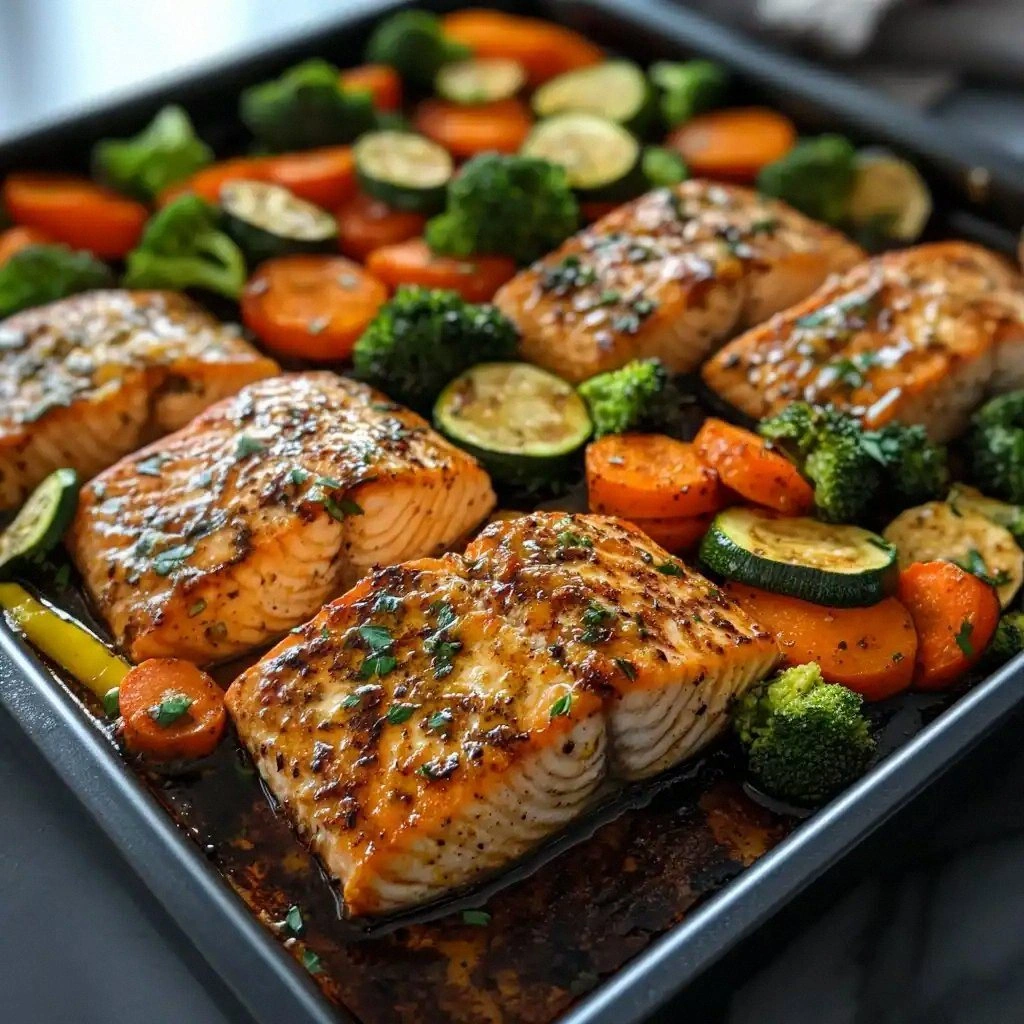
Picture this: a crisp, golden sheet of salmon fillets resting on a bed of colorful veggies, all tossed in a fragrant olive oil glaze. The moment you open the oven door, a wave of buttery garlic and smoky paprika hits your nose, and the steam curls like a savory cloud. The salmon’s flesh is tender, almost melting, while the veggies stay firm enough to bite into, offering that satisfying crunch that shatters like thin ice. Every bite is a balanced symphony of umami, citrus, and subtle heat from the red pepper flakes. I dare you to taste this and not go back for seconds.
What makes this version stand out? First, the sheet pan technique keeps everything in one place, so cleanup is a breeze. Second, the combination of paprika and Italian seasoning creates a smoky, herbaceous base that elevates the salmon’s natural flavor. Third, the use of two different olive oils—one for the salmon and one for the veggies—ensures each component receives the right amount of fat for maximum flavor without becoming greasy. Fourth, the balance of protein, fiber, and healthy fats makes this dish a nutritional powerhouse, perfect for a post‑workout meal or a quick family dinner. Fifth, the recipe is so adaptable that you can swap out any vegetable for what you have on hand. Finally, the finish with fresh lemon wedges and chopped parsley or dill adds a bright, herbal note that ties everything together. If you’ve ever struggled with sheet‑pan meals, you’re not alone—and I’ve got the fix.
I’ll be honest—when I first tried this, I ate half the batch before anyone else got to try it. That’s because the flavor profile is so addictive that you’ll want to keep reaching for more. The contrast between the buttery salmon and the peppery, slightly sweet veggies is a game‑changer. Most recipes get this completely wrong by over‑seasoning or under‑cooking the fish. Here’s what actually works: a simple seasoning blend, precise cooking times, and a final squeeze of lemon that brightens the whole plate. Picture yourself pulling this out of the oven, the whole kitchen smelling incredible, and everyone already lining up for seconds. Stay with me here—this is worth it.
What Makes This Version Stand Out
- Flavor: The blend of paprika, garlic powder, and Italian seasoning creates a smoky, herbaceous base that enhances the salmon’s natural taste without overpowering it. This subtle complexity turns a simple dish into a memorable experience.
- Texture: The salmon remains moist and flaky, while the veggies stay crisp with just the right amount of caramelization. The result is a satisfying bite that contrasts beautifully.
- Convenience: Everything cooks in a single sheet pan, so you spend less time on prep and cleanup. One pan, one tray, one delicious dinner.
- Visual Appeal: The vibrant colors of broccoli, zucchini, bell peppers, and carrots create a plate that looks as good as it tastes. Food photography lovers will appreciate the instant Instagrammable aesthetic.
- Health: Packed with omega‑3 fatty acids, fiber, and essential vitamins, this meal is a balanced, nutrient‑dense option for any diet.
- Versatility: Swap out any vegetable for seasonal produce, and adjust the spice levels to suit your palate. The recipe remains delicious no matter the variation.
- Make‑Ahead: You can prep the veggies and season the salmon in advance, then simply pop the pan in the oven when you’re ready. This is perfect for busy weeknights or meal‑prep enthusiasts.
Inside the Ingredient List
The Flavor Base
The olive oil, garlic powder, paprika, and Italian seasoning form the aromatic foundation of this dish. Olive oil is the carrier for the spices, allowing them to bloom evenly across the salmon and veggies. Garlic powder delivers a subtle, all‑day presence that doesn’t overpower, while paprika adds a gentle smokiness that complements the fish. Italian seasoning brings depth with oregano, basil, and thyme, giving the dish a Mediterranean twist.
The Texture Crew
Broccoli florets, zucchini slices, bell peppers, and baby carrots are chosen for their contrasting textures. Broccoli offers a satisfying bite and a pop of green, while zucchini adds a tender, slightly sweet element. Bell peppers bring crispness and a burst of color, and baby carrots provide a subtle sweetness that balances the peppery notes. Together, they create a mosaic of flavors that dance on the palate.
The Unexpected Star
Red pepper flakes are the secret weapon that injects a hint of heat without overwhelming the dish. They’re a small addition that makes the meal feel elevated and sophisticated. If you’re heat‑averse, you can reduce the flakes to a quarter teaspoon or omit them entirely—just know you’ll miss that subtle kick.
The Final Flourish
Fresh lemon wedges and chopped parsley or dill finish the dish with bright, herbaceous notes. The citrus cuts through the richness of the salmon, while the herbs add a fresh, almost floral aroma. If you prefer a more robust herb, try swapping parsley for cilantro or mint for a different flavor profile.
Everything’s prepped? Good. Let’s get into the real action.
The Method — Step by Step
- Preheat the oven to 425°F (220°C). Let the oven work its magic while you get the ingredients ready. The high temperature is crucial for getting a crisp edge on the salmon. Keep an eye on the oven rack; place it in the middle for even heat distribution. This step ensures the veggies will caramelize without burning.
- Prepare the salmon. Pat the fillets dry with paper towels to remove excess moisture. This step helps the olive oil and spices adhere better. Drizzle 2 tablespoons of olive oil over the fillets, then sprinkle the garlic powder and paprika evenly. Add a pinch of salt and pepper, but keep it light—your lemon will brighten the flavor later. The result is a golden, aromatic surface that will lock in juices.
- Arrange the veggies. Spread the broccoli, zucchini, bell peppers, and baby carrots on a parchment‑lined sheet pan. Drizzle the second 2 tablespoons of olive oil over the veggies, then sprinkle with Italian seasoning and ½ teaspoon of red pepper flakes. Toss everything until the vegetables are coated evenly. This coating ensures each bite is flavorful and prevents the veggies from drying out.
- Place salmon on top. Position the seasoned salmon fillets on top of the veggies, skin side down. The veggies act as a cushion, preventing the fillets from sticking to the pan. This arrangement also allows the juices from the salmon to mingle with the vegetables, creating a subtle sauce. Make sure the fillets are not crowded; space them out for even cooking.
- Roast for 15 minutes. Slide the sheet pan into the preheated oven and let the flavors mingle. After 15 minutes, you should hear a gentle sizzle as the edges of the salmon start to brown. This early roasting phase caramelizes the vegetables, creating a sweet, slightly charred flavor. It also helps the salmon develop a golden crust.
- Check the salmon’s doneness. After the initial 15 minutes, use a meat thermometer to check the internal temperature. The salmon should read 125°F (52°C) for medium‑rare or 135°F (57°C) for medium. If it’s not quite there, give it an extra 5 minutes. The key is to avoid overcooking, which can dry out the fish.
- Finish with lemon. Once the salmon reaches the desired temperature, remove the pan from the oven. Squeeze fresh lemon wedges over the fillets, letting the citrus juice pool around the fish. The acidity cuts through the richness, adding brightness. This final touch is what makes the dish feel fresh and vibrant.
- Garnish and serve. Sprinkle chopped parsley or dill over the top for a burst of herbal aroma. Plate the salmon alongside the roasted veggies, and drizzle any remaining pan juices over the top. The result is a plate that looks as good as it tastes. Serve immediately for the best texture.
- Optional: Broil for a minute. If you like a slightly charred finish, switch the oven to broil for 1–2 minutes. Keep a close eye to avoid burning. This step is optional but adds an extra layer of flavor for those who love a smoky edge.
- Enjoy. Plate your creation, breathe in the aromatic steam, and savor each bite. The combination of flaky salmon, crisp veggies, and citrusy finish will have everyone asking for a second helping. That’s the moment of truth—this dish delivers.
Insider Tricks for Flawless Results
The Temperature Rule Nobody Follows
Many people cook salmon at a lower temperature, but 425°F (220°C) is the sweet spot for crisp edges and juicy interior. The high heat caramelizes the vegetables and creates a golden crust on the fish without drying it out. If you’re using a convection oven, lower the temperature by 25°F (14°C) to avoid over‑browning. This trick ensures consistent results every time.
Why Your Nose Knows Best
As the dish cooks, the aroma of garlic and paprika will fill the kitchen. Trust your nose to tell you when the salmon is ready; the scent of fresh citrus signals that the fish is perfectly cooked. If you’re unsure, use a fork to check the fillet’s center—if it’s opaque and flakes easily, it’s done. This sensory cue saves you from guessing and ensures a flawless outcome.
The 5‑Minute Rest That Changes Everything
After removing the pan from the oven, let the salmon rest for 5 minutes. This allows the juices to redistribute, keeping the fillet moist and flavorful. The rest period also gives the vegetables a chance to finish cooking through residual heat, preventing them from being underdone. I’ve seen people skip this step, and the result is a dry, unbalanced dish.
Use Parchment Paper for Easy Cleanup
Lining the sheet pan with parchment paper means no more scrubbing after dinner. The paper prevents the veggies and salmon from sticking, and it absorbs excess oil. When you’re ready to toss the pan, simply lift the parchment with everything on it. This hack saves time and keeps your kitchen sparkling.
Add a Splash of White Wine
If you’re a wine lover, splash ¼ cup of dry white wine over the veggies before roasting. The wine adds depth and a subtle acidity that complements the lemon finish. It also helps to deglaze the pan, creating a quick sauce you can drizzle over the finished dish. This trick turns a simple dinner into a gourmet experience.
Creative Twists and Variations
This recipe is a playground. Here are some of my favorite ways to switch things up:
Asian Fusion
Swap the paprika for a teaspoon of soy sauce and add a pinch of sesame seeds. Toss the veggies with a splash of rice vinegar and a drizzle of sesame oil. Finish with a sprinkle of chopped scallions and a squeeze of lime. The result is a savory, slightly sweet dish that’s perfect for a quick weeknight.
Mediterranean Delight
Replace the Italian seasoning with a blend of oregano, thyme, and rosemary. Add a handful of kalamata olives and diced tomatoes to the veggies. Top the salmon with a dollop of tzatziki before serving. The Mediterranean flavors elevate the dish to a sophisticated dinner.
Spicy Cajun Kick
Use a Cajun spice blend instead of paprika and Italian seasoning. Increase the red pepper flakes to 1 teaspoon for extra heat. Add diced onions and a splash of hot sauce to the veggies. This variation brings bold, smoky flavors that pair well with the mild salmon.
Herb Garden
Infuse the olive oil with fresh thyme and rosemary before drizzling over the salmon. Mix chopped basil and oregano into the vegetable seasoning. Garnish with a generous amount of fresh basil leaves and a drizzle of balsamic glaze. The herbaceous notes give the dish a fresh, garden‑fresh feel.
Vegan Twist
Replace the salmon with thick slices of tofu or tempeh. Marinate the protein in soy sauce, garlic, and ginger before roasting. Use the same veggie medley and seasoning. This version is plant‑based but still delivers the same comforting, hearty flavors.
Breakfast Edition
Swap the salmon for sliced breakfast sausage or bacon. Add diced potatoes and onions to the veggies. Season with a pinch of smoked paprika and a dash of black pepper. Serve with a side of scrambled eggs for a protein‑packed start to your day.
Storing and Bringing It Back to Life
Fridge Storage
Cool the dish completely before placing it in an airtight container. Store in the refrigerator for up to 3 days. The salmon will stay moist, and the veggies will retain their crunch. When ready to eat, reheat in a skillet or microwave for 2 minutes.
Freezer Friendly
Pack the salmon and veggies separately in freezer bags. Label with the date and freeze for up to 2 months. Thaw overnight in the refrigerator before reheating. This method preserves the texture and flavor better than freezing the whole dish together.
Best Reheating Method
Reheat in a 350°F (175°C) oven for 10 minutes, or until warmed through. Add a tiny splash of water or broth before reheating to prevent the salmon from drying out. Cover loosely with foil to keep moisture in. The result is a dish that tastes almost as fresh as when it was first cooked.