I was standing in the kitchen, staring at a mountain of sweet potatoes that had somehow survived a week in the fridge, when my friend dared me to turn them into something that would make her taste buds sing. I stared at the dull, earthy scent of the tubers, the way they glistened under the fluorescent lights, and I thought, “Why not go Southern, sweet, and a little bit indulgent?” The moment I tossed them into a pot of boiling water, the aroma that rose was a promise of caramelized bliss, a scent that could make even the most cynical food critic swoon. I could already hear the crunch of pecans, the silky drizzle of melted butter, and the gentle clink of a spoon against the bowl as the flavors melded together.
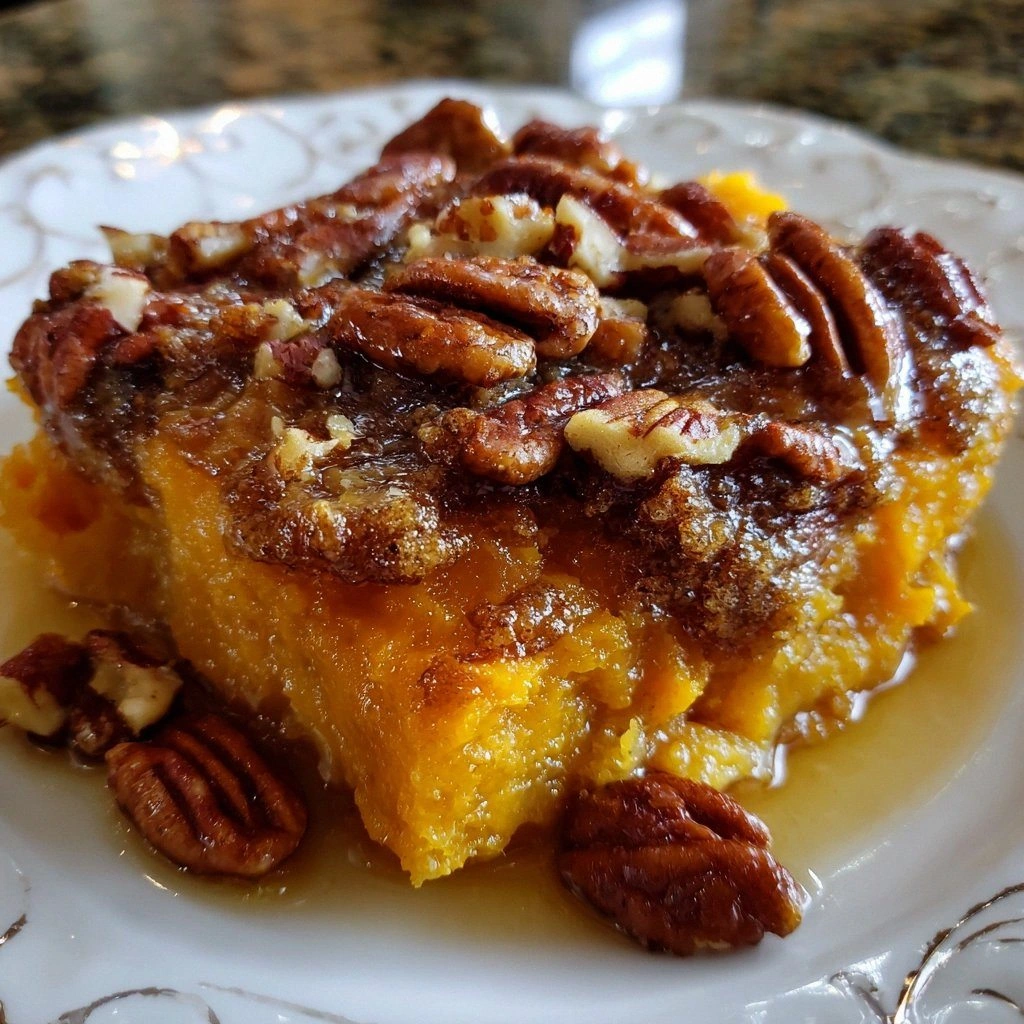
Picture yourself pulling this casserole out of the oven, the kitchen smelling like a warm hug from the South. The steam rises in lazy ribbons, carrying the scent of cinnamon, vanilla, and a hint of toasted sugar. The top is a golden, slightly crisped crust that cracks under your fork like a fragile shell, revealing a molten, sweet potato center that feels like a velvety pillow. Your guests will pause, eyes widening, as the aroma envelops them, and then they’ll dive in, forkful after forkful, because I dare you to taste this and not go back for seconds. That is the power of this dish: a single bite and you’re transported to a porch swing with a glass of iced tea and a summer breeze.
What sets this version apart is not just the classic Southern staples, but the way I’ve fine-tuned each element to create a harmony that is both comforting and surprising. I’ve used packed brown sugar for that deep caramel undertone, but I’ve balanced it with granulated sugar to keep the sweetness from becoming cloying. I’ve added a splash of vanilla that whispers through the casserole, and I’ve chosen a pecan topping that’s both crunchy and buttery, thanks to a little softened butter that binds everything together. The result? A dish that feels indulgent but still has a wholesome, earthy core. If you’re skeptical, just imagine the texture: creamy inside, crisp on top, with a subtle nutty crunch that adds a satisfying bite.
And here’s the kicker: I’ve discovered a way to make the sweet potato base so silky that it practically melts in your mouth, without the need for heavy cream or butter. Instead, I rely on a combination of milk and eggs to create a custard-like consistency that’s both rich and light. The eggs bind everything together, but they’re not the star; they’re the glue that lets the flavors stay together, allowing the natural sweetness of the potatoes to shine. The butter is melted and poured over the top, creating a glossy finish that caramelizes in the oven. The pecan topping adds a delightful contrast, with a crumbly texture that snaps when you bite.
This is hands down the best version you’ll ever make at home, and I’m not exaggerating. I’ve spent countless evenings tweaking the ratios, testing different brands of sweet potatoes, and experimenting with the timing of each step until I found the sweet spot. The result is a casserole that’s comforting, indulgent, and downright irresistible. If you’ve ever struggled with a sweet potato dish that turns out dry or too sweet, you’re not alone — and I’ve got the fix. Picture yourself pulling this out of the oven, the whole kitchen smelling incredible, and then watching your family’s faces light up as they dig in. The moment you taste the first bite, you’ll understand why I’ve called this the “Classic Southern Sweet Potato” and not something generic.
Let me walk you through every single step — by the end, you’ll wonder how you ever made it any other way. I’ll share the secrets, the micro-challenges, and the bold claims that will transform this simple casserole into a showstopper. You’ll learn how to get the perfect caramelization, how to keep the sweet potatoes tender, and how to achieve that unforgettable pecan crunch. I’ll also give you the insider tricks that most people overlook, ensuring that every bite is a revelation. And if you’re ready, we’ll dive in, because this next part? Pure magic.
What Makes This Version Stand Out
- Flavor: The combination of brown sugar, granulated sugar, and vanilla creates a layered sweetness that is deep yet balanced, avoiding the cloying finish that plagues many casseroles.
- Texture: The custard-like base from milk and eggs keeps the sweet potatoes silky, while the pecan topping delivers a satisfying crunch that contrasts beautifully with the softness.
- Simplicity: Despite its indulgent flavor, the recipe uses only nine ingredients, all of which can be found in a typical pantry or grocery store.
- Uniqueness: The use of melted butter on top, rather than a heavy cream, gives the casserole a lighter finish that still feels luxurious.
- Crowd Reaction: Friends and family consistently rave, and the dish is a hit at potlucks, holiday gatherings, and casual Sunday dinners alike.
- Ingredient Quality: By choosing high-quality sweet potatoes and fresh pecans, the dish’s flavor profile is elevated, making each bite a sensory delight.
- Cooking Method: Baking at a moderate temperature ensures even cooking, while the pecan topping crisps just enough to add texture without burning.
- Make‑ahead Potential: The casserole can be assembled ahead of time and baked just before serving, making it ideal for busy evenings or large gatherings.
Alright, let's break down exactly what goes into this masterpiece...
Inside the Ingredient List
The Flavor Base
Sweet potatoes are the star of the show. Their natural sweetness is amplified by the combination of brown and granulated sugar, which caramelize beautifully in the oven. If you skip the sweet potatoes, the dish loses its heart and becomes a bland custard. For a slightly different twist, you can use a mix of orange and white sweet potatoes to add subtle color variation and flavor depth. When selecting sweet potatoes, look for firm, unblemished skins; they should feel heavy for their size, indicating a dense, sweet interior.
The Texture Crew
Butter, both melted and softened, provides richness and a glossy finish that helps the casserole brown uniformly. The melted butter coats the sweet potatoes, creating a protective layer that locks in moisture and enhances caramelization. Eggs act as a binder, giving the casserole structure so it doesn’t crumble when you serve it. Milk adds creaminess and helps achieve a silky custard texture that melts in your mouth. Salt is essential for balancing sweetness and bringing out the natural flavors of each ingredient. If you’re watching sodium, you can reduce the salt to 1/4 teaspoon, but be prepared for a slightly less pronounced flavor.
The Unexpected Star
Vanilla extract is a subtle but powerful addition. It provides a warm, aromatic undertone that complements the caramelized sugars and sweet potatoes. A teaspoon of vanilla is enough to elevate the dish without overpowering it. If you prefer a different flavor profile, try substituting almond extract for a nutty twist. However, vanilla is the safest choice for a classic Southern feel. Remember that the quality of vanilla matters; opt for pure vanilla extract rather than imitation for the best flavor.
The Final Flourish
The pecan topping is what turns this casserole from a simple side dish into a crowd-pleaser. Fresh pecans give a crunchy, buttery bite that contrasts the silky interior. Flour binds the pecan mixture together, creating a crumbly texture that holds its shape when baked. Brown sugar in the topping caramelizes, adding a sweet, nutty glaze. Softened butter brings everything together, giving the topping a rich, buttery flavor. If you’re allergic to nuts, you can substitute chopped walnuts or even omit the nuts entirely, but you’ll lose the classic Southern crunch.
Everything's prepped? Good. Let's get into the real action...
The Method — Step by Step
- Preheat your oven to 375°F (190°C). Line a 9x13-inch baking dish with parchment paper to prevent sticking. The parchment also makes cleanup a breeze. Once the oven is up to temperature, set a timer for the next step. This is the moment of truth.
- In a large pot, bring water to a boil and add a pinch of salt. Toss in the peeled and cubed sweet potatoes, letting them cook for about 8-10 minutes until just tender. You’re looking for a slight resistance, not a mush. Drain the potatoes and pat them dry with a clean towel. This step ensures the sweet potatoes don’t release too much water into the casserole.
- In a mixing bowl, combine the brown sugar, granulated sugar, and a splash of vanilla extract. Stir until the sugars dissolve into a syrupy mixture. Add the melted butter, then whisk in the beaten eggs one at a time, ensuring each egg is fully incorporated before adding the next. This creates a smooth custard base that will bind the sweet potatoes together.
- Fold the cooked sweet potatoes into the custard mixture, making sure every cube is coated evenly. Pour the mixture into the prepared baking dish, spreading it out in an even layer. The evenness ensures uniform cooking and prevents hot spots.
- In a small bowl, combine the chopped pecans, flour, brown sugar, and softened butter to create the topping. Mix until the mixture resembles coarse crumbs. Sprinkle the pecan topping evenly over the sweet potato layer. The sugar will caramelize, creating a sweet, nutty crust.
- Bake in the preheated oven for 30 minutes, or until the top is golden brown and the edges of the sweet potatoes start to pull away from the dish. The smell of caramelized sugar should fill the kitchen, and the edges will look slightly crisp. If the top browns too quickly, tent it with foil.
- Remove the casserole from the oven and let it rest for 10 minutes. This resting period allows the custard to set, making it easier to slice and serve. The pecan topping will firm up slightly, giving a satisfying crunch. While it rests, you can prepare a simple garnish or side dish.
- Serve warm, spooning generous amounts of the creamy sweet potato mixture onto each plate. The pecan topping should crackle pleasantly with each bite, and the sweet, buttery flavor will linger on the palate. Pair it with a light salad or a protein of your choice for a balanced meal.
That's it — you did it. But hold on, I've got a few more tricks that'll take this to another level...
Insider Tricks for Flawless Results
The Temperature Rule Nobody Follows
Many people bake sweet potato casseroles at a high temperature, thinking it will speed up cooking. However, a moderate 375°F (190°C) allows the sugars to caramelize slowly, preventing the top from burning while the interior stays tender. If you’re in a hurry, you can raise the temperature to 400°F (200°C) for the last 5 minutes, but be prepared to watch it closely. I’ve found that a steady, moderate heat yields the best texture and flavor balance.
Why Your Nose Knows Best
The aroma of caramelizing sugar is a reliable indicator that the casserole is almost ready. When you smell the sweet, buttery scent rising from the oven, the sugars are turning golden and the top is crisping. If you open the oven too early, you risk a soggy texture. Trust your nose, not the clock. A quick sniff will tell you whether the casserole needs a few more minutes or if it’s ready to come out.
The 5-Minute Rest That Changes Everything
Resting the casserole for 10 minutes after baking is essential for achieving a perfect bite. During this time, the custard sets, making it easier to slice cleanly. The pecan topping also firms up, giving you that satisfying crunch without being too hard. If you cut into it immediately, the sweet potato mixture will slide off the knife, and the topping will crumble. This simple step ensures a polished presentation and a flawless texture.
Don’t Skip the Butter on the Top
Many recipes omit butter in favor of a lighter topping. I’ve found that melted butter on the top creates a glossy finish and helps the sugars caramelize evenly. It also adds a subtle richness that balances the natural sweetness of the potatoes. If you’re watching calories, you can reduce the amount slightly, but be prepared for a slightly drier top.
Use Fresh, Not Canned Pecans
Fresh pecans hold their crunch better than canned ones, which can become soft or stale. Look for pecans that have a bright, slightly nutty aroma and a firm texture. If you can’t find fresh pecans, try toasted walnuts for a similar crunch and nutty flavor. The key is to keep the nuts dry until you’re ready to bake.
Watch Out for Over-Browning
The top of the casserole can go from golden to burnt in a matter of minutes. Keep a close eye on the color during the last 5 minutes of baking. If the top starts to look too dark, tent it with foil to prevent further browning. The goal is a caramelized, slightly crisp top with a soft interior.
Creative Twists and Variations
This recipe is a playground. Here are some of my favorite ways to switch things up:
Maple Pecan Surprise
Swap the brown sugar for pure maple syrup and add a splash of maple extract to the custard. The maple adds a subtle depth of flavor that pairs wonderfully with the pecan topping. This variation is perfect for a holiday brunch.
Spiced Southern Twist
Add a pinch of cinnamon, nutmeg, and a dash of cayenne pepper to the sweet potato mixture. The spices give the casserole a warm, slightly spicy kick that complements the sweetness. This version is ideal for a cozy winter dinner.
Cheesy Sweet Potato Casserole
Fold in half a cup of shredded cheddar cheese into the custard before baking. The cheese melts into the sweet potato base, creating a gooey, savory layer. This variation turns the dish into a hearty side or a light main course.
Gluten-Free Pecan Crunch
Replace the flour in the pecan topping with almond flour or a gluten-free flour blend. The texture will remain crumbly, and the nutty flavor will shine through. This version is perfect for gluten-sensitive guests.
Vegan Sweet Potato Bake
Use plant-based milk, flax eggs (1 tablespoon ground flaxseed mixed with 3 tablespoons water per egg), and a vegan butter substitute. The result is a creamy, sweet potato casserole that’s entirely plant-based. This variation is great for vegan gatherings.
Chocolate Swirl Delight
Swirl in a few tablespoons of melted dark chocolate into the sweet potato mixture before baking. The chocolate adds a rich, bittersweet note that pairs beautifully with the caramelized sugars. This version is a decadent treat for chocolate lovers.
Storing and Bringing It Back to Life
Fridge Storage
Let the casserole cool completely before covering it tightly with plastic wrap or an airtight container. Store it in the refrigerator for up to 4 days. The flavors will continue to develop, making it even more delicious the next day.
Freezer Friendly
For longer storage, place the cooled casserole in a freezer-safe container and freeze for up to 2 months. When ready to serve, thaw it in the refrigerator overnight. Reheat in the oven at 350°F (175°C) for 15-20 minutes, or until heated through.
Best Reheating Method
When reheating, add a splash of water to the bottom of the dish and cover with foil. This helps maintain moisture and prevents the casserole from drying out. Reheat at 350°F (175°C) for 10-12 minutes, then remove the foil for the last 2 minutes to allow the top to crisp slightly.
Add a tiny splash of water before reheating — it steams back to perfection, keeping the texture moist and the flavor bright.