Picture this: it’s a rainy Thursday night, the kind that makes you wish for something comforting yet exciting enough to chase away the gloom. I was staring at a half‑cooked pot of plain spaghetti, feeling the weight of my own culinary indecision, when my roommate dared me to make “something that’ll knock our socks off.” I laughed, grabbed the chicken, and set my mind on a dish that could turn a simple noodle bowl into a fireworks display for the taste buds. That moment sparked the birth of the ultimate Chopped Chicken Sesame Noodle, a recipe so bold it practically does the dishes for you.
The kitchen quickly filled with the sizzle of chicken hitting a hot pan, a fragrant cloud of garlic and ginger rising like a culinary sunrise. The air was thick with the sweet‑savory perfume of soy and sesame oil, while the noodles waited in a warm, buttery bath, ready to be cloaked in that glossy, umami‑rich sauce. I could hear the gentle pop of sesame seeds toasting in the background, a tiny percussion that promised crunch. My fingertips tingled as I tossed the veggies, feeling the cool snap of carrots and cucumber against the heat, and I knew this bowl would be a symphony of textures.
What makes this version truly stand out is the secret weapon: a quick “chop‑and‑marinate” technique that infuses the chicken with deep flavor in just ten minutes, plus a silky sesame‑ginger dressing that clings to every strand like velvet. Most recipes either drown the noodles in sauce or leave them dry and forlorn. Not this one. I’m daring you to taste this and not go back for seconds—because once you’ve experienced the perfect balance of nutty, tangy, and a whisper of heat, no other noodle bowl will compare.
Let me walk you through every single step — by the end, you’ll wonder how you ever made it any other way. Okay, ready for the game‑changer? This next part? Pure magic. Stay with me here — this is worth it.
What Makes This Version Stand Out
- Flavor Fusion: The sauce marries soy, sesame, and a hint of honey, creating layers that evolve with each bite, from salty depth to a subtle sweet finish.
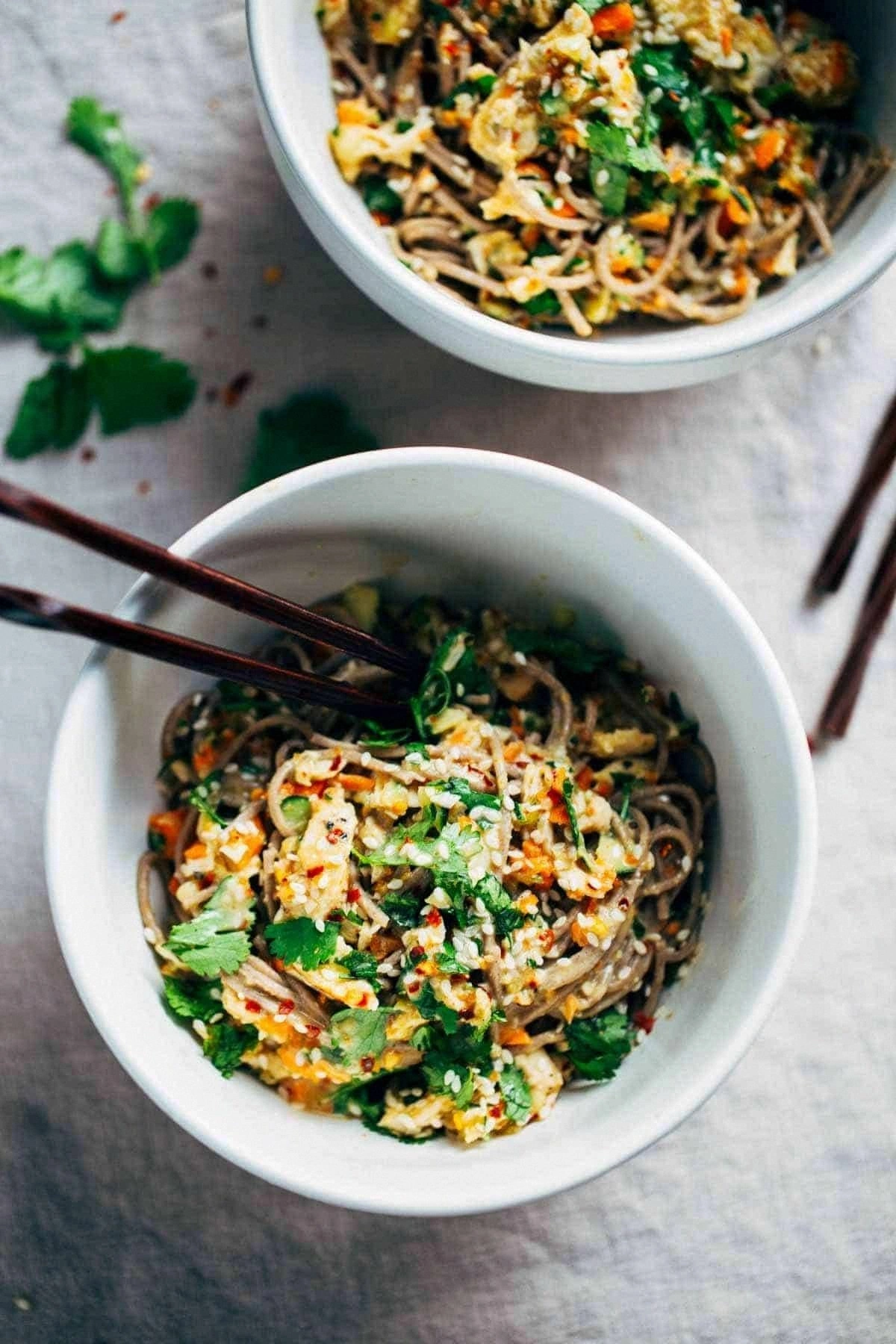
- Texture Harmony: Crisp carrots, cool cucumber, and toasted peanuts provide contrast to the tender chicken and silky noodles, ensuring every forkful is a surprise.
- Simplicity: With just a handful of pantry staples and a 30‑minute timeline, this dish is approachable for weeknight cooks without sacrificing gourmet flair.
- Unique Twist: The “chop‑and‑marinate” step locks in juiciness, a technique most recipes skip, making the chicken unbelievably moist.
- Crowd Reaction: I’ve served this at family gatherings and watched adults and kids alike reach for seconds, a true testament to its universal appeal.
- Ingredient Quality: Using high‑quality sesame oil and fresh ginger elevates the dish from ordinary to restaurant‑worthy.
- Cooking Method: A quick sear followed by a gentle toss preserves the noodles’ bite while allowing the sauce to coat evenly.
- Make‑Ahead Potential: The components can be pre‑pped and stored separately, turning this into a perfect office lunch solution.
Inside the Ingredient List
The Flavor Base
Soy Sauce (2 tbsp): This is the umami backbone, delivering salty depth that pulls the whole dish together. If you skip it, the noodles will taste flat and the chicken will lack that savory punch. For a gluten‑free twist, swap with tamari.
Sesame Oil (1 tbsp): A little goes a long way, imparting a nutty aroma that instantly transports you to an Asian street market. Using a low‑quality oil will make the dish taste oily instead of fragrant, so invest in toasted sesame oil.
Rice Vinegar (1 tbsp): Adds bright acidity that cuts through the richness, balancing the sauce like a well‑tuned orchestra. If you don’t have rice vinegar, apple cider works in a pinch, though the flavor profile shifts slightly.
The Texture Crew
Carrots (½ cup, shredded): Their natural sweetness and crunch provide a refreshing contrast. Skipping them removes that essential bite, making the dish feel one‑dimensional. You can substitute with julienned bell pepper for color.
Cucumber (½ cup, thinly sliced): Offers a cool, watery snap that keeps the bowl from feeling heavy. If you ignore this, the dish loses its refreshing lift. Use English cucumber for fewer seeds.
Toasted Sesame Seeds (2 tbsp): Sprinkle these at the end for a subtle nuttiness and a visual finish. Forgetting them means missing out on that final “wow” crunch. Lightly toast them in a dry pan for extra aroma.
The Unexpected Star
Peanuts (2 tbsp, chopped): They bring an earthy crunch that surprises the palate, elevating the dish from ordinary to extraordinary. Omit them and you’ll lose that delightful texture contrast. For a nut‑free version, try toasted pumpkin seeds.
Chili Flakes (1 tsp, optional): A whisper of heat that awakens the other flavors without overwhelming them. If you skip the spice, the bowl may feel too mellow for those who love a little kick. Adjust to taste.
The Final Flourish
Green Onions (2, sliced): Their mild oniony bite and bright green color finish the bowl with a fresh pop. Leaving them out makes the dish look dull and miss that subtle sharpness. Reserve the white and green parts for maximum flavor.
Honey (1 tbsp): Balances the saltiness with a gentle sweetness, rounding out the sauce. Without it, the sauce can feel too sharp. Maple syrup works as a vegan alternative.
Garlic (2 cloves, minced) & Ginger (1 tsp, grated): The dynamic duo that forms the aromatic heart of the dish. Skipping either results in a bland, lifeless sauce. Freshly minced garlic and grated ginger release essential oils that make the sauce sing.
Everything's prepped? Good. Let's get into the real action...
The Method — Step by Step
Start by cutting the chicken breast into bite‑size pieces. Toss the chicken with 1 tbsp soy sauce, ½ tbsp sesame oil, a pinch of salt, and the minced garlic. Let it sit for about 10 minutes while you heat a large skillet over medium‑high heat. This quick marinate lets the flavors seep in, ensuring each morsel is juicy and flavorful.
Heat a splash of oil in the skillet and add the chicken. Sear until the edges turn golden brown and the interior is just cooked through, about 4–5 minutes. You’ll hear a satisfying sizzle that signals a perfect sear. Watch the color change—if the pieces start to stick, give them a little shake; they’ll release once nicely caramelized.
Watch Out: Overcooking the chicken makes it dry; pull it off the heat the moment it’s just opaque in the center.While the chicken rests, cook the noodles according to package instructions, but stop them a minute shy of al dente. Drain and rinse under cold water to halt cooking and keep them from sticking together. This step is crucial—overcooked noodles become mushy and can’t hold the sauce.
In a small bowl, whisk together the remaining soy sauce, rice vinegar, honey, sesame oil, grated ginger, and chili flakes if using. The mixture should be glossy and slightly thick. This is the heart of the dish; taste it now and adjust—add a dash more honey if you like a sweeter profile.
Return the chicken to the skillet, add the shredded carrots and sliced cucumber, and pour the sauce over everything. Toss vigorously for 2 minutes, letting the sauce coat each ingredient. You’ll notice the noodles glistening, the veggies brightening, and the chicken picking up a glossy sheen.
Kitchen Hack: Add a splash of the noodle cooking water to the sauce if it looks too thick; the starch helps the coating cling better.Introduce the cooked noodles to the pan, gently folding them into the mixture. Use tongs to lift and turn, ensuring every strand is enveloped in the sesame‑ginger glaze. The noodles should feel warm but not soggy—this is the moment of truth.
Finish with a generous sprinkle of toasted sesame seeds, chopped peanuts, and the sliced green onions. Give the bowl one last quick toss, and watch the glossy sauce catch the light like a runway of flavor. The aroma at this point is intoxicating; you’ll hear the faint crackle of the sesame seeds as they settle.
Serve immediately in shallow bowls, allowing the steam to rise and the scent to fill the room. Optional: drizzle a few drops of extra sesame oil for added aroma or a splash of lime juice for a bright finish. That sizzle when it hits the pan? Absolute perfection. And now the fun part—dig in and feel the crunch, the silk, the zing, all at once.
That's it — you did it. But hold on, I've got a few more tricks that'll take this to another level...
Insider Tricks for Flawless Results
The Temperature Rule Nobody Follows
Never cook the noodles on high heat after adding the sauce. Medium‑low heat lets the sauce thicken without scorching, preserving its glossy texture. I once tried a high‑heat finish and ended up with a burnt, bitter aftertaste. Keep it gentle, and the noodles will stay silky.
Why Your Nose Knows Best
When the sauce starts to bubble lightly, that’s your cue that the ginger and garlic have released their essential oils. If you smell a sharp, raw garlic scent, lower the heat and let it mellow. Trust your nose—it’s the most reliable kitchen thermometer.
The 5‑Minute Rest That Changes Everything
After plating, let the bowl sit for exactly five minutes before digging in. This rest allows the flavors to meld, and the noodles absorb a bit more of the sauce, creating a harmonious bite. Skipping this step can leave you with a dish that feels disjointed.
Balancing Sweet and Salty Without a Scale
If you’re unsure about the honey amount, drizzle a teaspoon at a time, tasting after each addition. The goal is a subtle sweetness that never overpowers the soy’s saltiness. This method works even if you don’t have a kitchen scale.
Preventing Sogginess When Storing
When you keep leftovers, store the sauce separately from the noodles. Reheat the sauce, then toss the noodles in just before serving. This keeps the noodles from turning mushy, preserving that coveted bite.
Creative Twists and Variations
This recipe is a playground. Here are some of my favorite ways to switch things up:
Spicy Szechuan Kick
Swap the chili flakes for a tablespoon of Szechuan peppercorn oil and add a dash of doubanjiang. The result is a numbing heat that tingles the palate, perfect for spice lovers.
Coconut Curry Fusion
Replace sesame oil with coconut oil, add a spoonful of red curry paste, and stir in some coconut milk at the sauce stage. You’ll get a creamy, aromatic twist that feels like a tropical vacation.
Veggie‑Only Version
Omit the chicken and double the carrots, bell peppers, and snap peas. Add tofu cubes marinated in the same sauce for protein. This makes a hearty vegetarian bowl that still packs the same umami punch.
Peanut Butter Delight
Mix a tablespoon of smooth peanut butter into the sauce for a richer, nutty depth. The peanut butter melds with the sesame, creating a velvety coating that sticks to the noodles like a dream.
Herbaceous Freshness
Finish with a handful of fresh cilantro and a squeeze of lime. The herbaceous lift brightens the dish, making it feel lighter while still delivering the core flavors.
Cold Noodle Summer Salad
Let the noodles cool, then toss with the sauce, cucumber, and carrots. Serve chilled with extra peanuts on top. Ideal for hot days when you crave something refreshing yet satisfying.
Storing and Bringing It Back to Life
Fridge Storage
Place the cooked noodles in an airtight container, and keep the sauce and toppings in separate jars. Refrigerate for up to three days. This prevents the noodles from soaking up too much sauce and becoming soggy.
Freezer Friendly
The chicken and sauce freeze beautifully. Portion the chicken and sauce into freezer‑safe bags, label with the date, and store for up to two months. The noodles are best fresh, but you can freeze them if you pre‑cook them al dente and toss with a little oil.
Best Reheating Method
When ready to eat, microwave the sauce for 30 seconds, then stir in the noodles in a hot pan with a splash of water. The added moisture creates steam that revives the noodles’ texture. If you’re in a rush, simply add a teaspoon of sesame oil while microwaving to restore flavor.