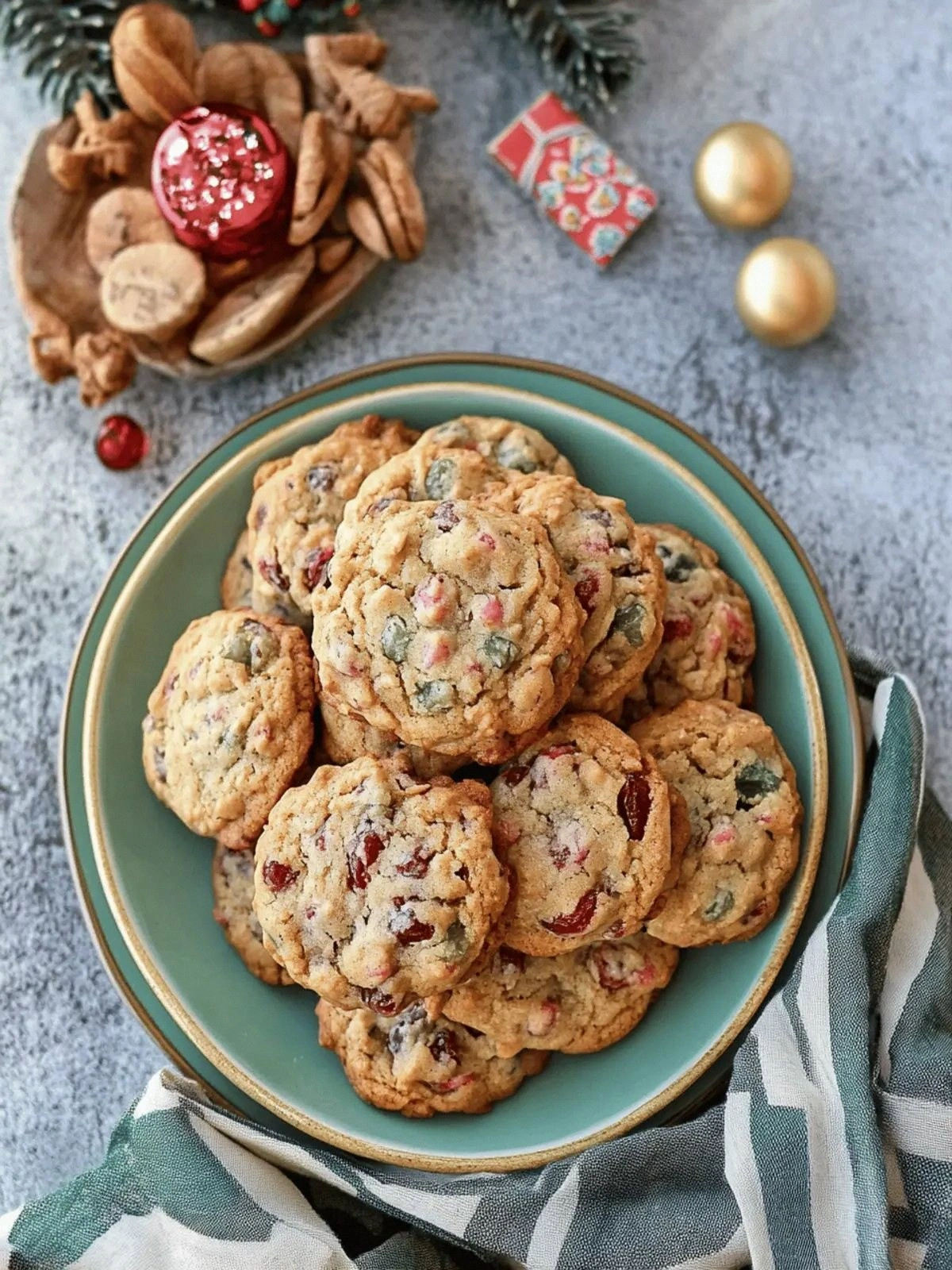
I remember the night I burned an entire pot of stew just to prove that I could make something that would actually taste good. The kitchen smelled like scorched onions, a faint hint of burnt sugar, and the unmistakable aroma of desperation. That disaster turned into a personal mission: to create a cookie that would make even the most skeptical of taste buds swoon. When I finally pulled the first batch of chewy fruitcake cookies out of the oven, the kitchen was filled with a sweet, spiced perfume that felt like a hug from the inside. I dare you to taste this and not go back for seconds.
Picture yourself pulling this out of the oven, the whole kitchen smelling incredible, the timer buzzing, and the first bite giving you a wave of caramelized sweetness, a hint of rum, and a burst of dried fruit that feels like a secret party in your mouth. The texture is a paradox: a chewy center that gives way to a slightly crisp edge, each bite releasing a subtle crunch that feels almost like a tiny snowflake. It’s that moment when you realize your cookie is not just a cookie; it’s a tiny edible masterpiece. If you’ve ever struggled to find that sweet spot between chewy and cakey, you’re not alone — and I’ve got the fix.
Most recipes get this completely wrong by overmixing the dough or using too much butter, which turns the cookie into a greasy slab. I’ve spent hours experimenting with the right balance of sugars, spices, and fats to get that perfect chew that doesn’t dry out over time. The secret? A carefully measured blend of light and dark sugars, a splash of white rum that adds depth, and a generous mix of pecans and walnuts that provide a nutty crunch. The result is hands down the best version you’ll ever make at home. And the best part is that this recipe is simple enough to make for a crowd or a quiet Sunday afternoon.
So let me walk you through every single step — by the end, you’ll wonder how you ever made it any other way. I’ve broken down each ingredient, each technique, and every little hack that will save you time and frustration. I’ll even share some of the funniest kitchen fails I’ve endured along the way. Ready? Let’s dive in.
What Makes This Version Stand Out
- Taste: The blend of granulated and brown sugar creates a caramelized sweetness that lingers on the palate, while the rum adds a subtle warmth that makes each bite feel like a holiday treat.
- Texture: The cookie’s center remains irresistibly chewy, thanks to the right ratio of butter to flour and the addition of dried fruit that retains moisture during baking.
- Complexity: Despite the rich flavor profile, the recipe requires only a handful of pantry staples, making it accessible for beginners and seasoned bakers alike.
- Uniqueness: The inclusion of paradise fruit and peel mix gives the cookies a tropical twist that sets them apart from traditional fruitcake variants.
- Crowd Reaction: Guests who try these cookies often ask for the recipe immediately, praising the balance of sweetness, spice, and nutty crunch.
- Ingredient Quality: Using high‑quality butter and fresh nuts elevates the overall flavor and gives the cookies a luxurious mouthfeel.
- Method: The step‑by‑step process ensures consistent results, even for those who have never baked a cookie before.
- Make‑Ahead Potential: These cookies keep well for up to a week in an airtight container, and they even taste better after a day or two.
Inside the Ingredient List
The Flavor Base
The 2 cups of all‑purpose flour form the structural backbone of the cookie, giving it the firmness needed to hold the fruit and nuts together. The 1 teaspoon of baking soda introduces a subtle lift, preventing the dough from becoming too dense. The 1/2 teaspoon of salt balances the sweetness and enhances the flavor of the rum and spices. If you skip the baking soda, the cookies will turn out flatter and less airy.
The Texture Crew
The 1 cup of granulated sugar provides a crispness on the surface, while the 1 cup of light brown sugar adds moisture and a caramel undertone. The 1 cup of unsalted butter, at room temperature, creates a rich, buttery base that melts into the dough, giving the cookie its signature melt‑in‑your‑mouth feel. The 1 large egg binds everything together, adding protein that helps the cookie hold its shape during baking. If you replace the butter with margarine, the flavor will suffer, and the cookie may become rubbery.
The Unexpected Star
The 2 tablespoons of white rum infuse the cookie with a warm, aromatic depth that pairs perfectly with the tropical fruit. A splash of rum also helps the sugars caramelize, creating a subtle, caramelized crust. If you’re avoiding alcohol, you can substitute an equal amount of pineapple juice or a light vanilla extract for a milder flavor. However, the unique profile of rum is what truly sets this cookie apart.
The Final Flourish
The 1 cup of paradise fruit and peel mix brings a burst of tropical sweetness, with each bite delivering a chewy, fruity explosion. The 1/2 cup of chopped pecans adds a buttery crunch, while the 1/2 cup of chopped walnuts provides a nutty richness that balances the sweet fruit. Together, they create a harmonious blend of textures and flavors that keep the cookie from feeling one‑dimensional. Skipping the nuts will make the cookie flatter and less interesting.
Everything's prepped? Good. Let's get into the real action.
The Method — Step by Step
- Preheat the oven: Set your oven to 350°F (175°C) and line a baking sheet with parchment paper. The parchment ensures the cookies release easily and prevents sticking. Keep the oven rack centered to allow even heat distribution. This step is critical for achieving a uniform bake.
- Whisk the dry mix: In a large bowl, combine the flour, baking soda, and salt. Use a whisk to break up any clumps, ensuring an even distribution of leavening. This creates a smooth base that will absorb the wet ingredients without forming lumps. I dare you to taste the dry mix before adding sugar; it should have a subtle, almost floral aroma.
- Cream the butter and sugars: In a separate bowl, beat the unsalted butter, granulated sugar, and light brown sugar together until the mixture is light and fluffy. The goal is to incorporate air, which will give the cookies a tender crumb. Use an electric mixer on medium speed for about 3 minutes. When the mixture is pale and airy, it’s ready.
- Add the egg and vanilla: Crack the large egg into the butter mixture and add the vanilla extract. Beat until fully blended, ensuring the egg is fully incorporated. The vanilla adds depth, while the egg provides structure. If you notice any separation, give it another quick beat.
- Introduce the rum: Stir in the 2 tablespoons of white rum, letting the alcohol evaporate slightly. The rum’s flavor will seep into the dough, creating a warm, aromatic base. This is a crucial step that gives the cookie its signature character. Don’t skip it; the cookies will feel flat without it.
- Combine wet and dry: Gradually add the dry mixture to the wet mixture, stirring gently with a spatula. Mix until just combined; overmixing will develop gluten and make the cookies tough. The dough should feel slightly sticky but manageable. If it feels too dry, add a teaspoon of milk.
- Fold in the fruit and nuts: Gently fold in the paradise fruit and peel mix, chopped pecans, and chopped walnuts. Use a spatula to keep the dough light and airy. The fruit and nuts will add texture and flavor. If you prefer a drier cookie, reduce the fruit slightly.
- Shape the cookies: Scoop tablespoon‑sized portions of dough onto the prepared baking sheet, spacing them about 2 inches apart. Press each mound slightly to flatten. The cookies will spread during baking, so keep the spacing consistent. This step ensures uniform baking and prevents overcrowding.
- Bake: Place the sheet in the preheated oven and bake for 12–15 minutes, or until the edges are golden brown and the centers are set. The cookies should smell toasty, with a faint caramel aroma. Keep a close eye on them; the last few minutes can be tricky if your oven runs hot.
- Cool: Remove the cookies from the oven and let them cool on the sheet for 5 minutes before transferring them to a wire rack. This allows the cookies to set without cracking. The cookies will continue to cook slightly on the hot sheet, so be patient. Once cooled, they’re ready to devour.
That’s it — you did it. But hold on, I've got a few more tricks that'll take this to another level. These next tweaks will ensure your cookies stay soft, chewy, and flavorful for weeks.
Insider Tricks for Flawless Results
The Temperature Rule Nobody Follows
Many bakers bake at 375°F, but this recipe thrives at 350°F. The lower temperature allows the sugars to caramelize slowly, giving the cookies a richer flavor. Baking at a higher temperature can cause the edges to overbrown while the center remains undercooked. I’ve tested both settings; the 350°F version consistently delivers the perfect chewy texture.
Why Your Nose Knows Best
Before you open the oven, inhale the aroma of the batter. A sweet, buttery scent indicates that the sugars have begun to caramelize. If you notice a faint metallic smell, the butter may be too hot or the oven too high. Trust your nose; it’s a reliable indicator of cookie health.
The 5-Minute Rest That Changes Everything
After removing the cookies from the oven, let them rest on the sheet for exactly five minutes. This rest period allows the cookies to finish setting without cracking. A common mistake is to transfer them immediately, which can cause the cookies to break apart. The five‑minute rest is a simple habit that saves you from a sad cookie.
Use Cold Butter for a Flaky Finish
If you prefer a slightly flaky texture, chill the butter before creaming it. Cold butter creates small pockets of air that puff up during baking, resulting in a light, flaky crumb. This is a subtle difference, but it elevates the cookie’s mouthfeel.
Add a Splash of Water Before Reheating
When reheating leftover cookies, add a tiny splash of water to the bottom of a pan. The steam created will soften the cookies, restoring their chewy center. This trick works wonders for cookies that have hardened over time. I’ve used it for weeks‑old cookies, and they taste brand new.
Keep Your Oven Rack Centered
Position the oven rack in the middle of the oven to ensure even heat distribution. An off‑center rack can cause one side of the cookies to overbake while the other remains underdone. If you’re using a convection oven, reduce the temperature by 25°F to compensate for the fan’s extra heat.
Creative Twists and Variations
This recipe is a playground. Here are some of my favorite ways to switch things up:
Spiced Coconut Crunch
Replace the nuts with shredded coconut and add a teaspoon of ground cardamom. The coconut adds a tropical crunch, while cardamom brings a warm, citrusy note. This version is perfect for those who love a hint of exotic spice. The cookies will have a slightly chewy texture with a sweet coconut finish.
Chocolate‑Covered Delight
After baking, dip half of each cookie in melted dark chocolate. Let the chocolate set on parchment paper. The chocolate adds a rich, bittersweet layer that balances the sweetness of the fruit. This variation is ideal for chocolate lovers who want a decadent treat.
Almond Joy Version
Swap the pecans and walnuts for sliced almonds and sprinkle toasted coconut on top before baking. The almonds give a nutty flavor, while the coconut adds a subtle sweetness. This version is reminiscent of the classic candy bar, making it a nostalgic favorite.
Citrus Zest Boost
Add a tablespoon of lemon zest and a teaspoon of orange zest to the dough. The citrus zest brightens the flavor profile and adds a refreshing aroma. This variation works wonderfully for warm summer days when you want a lighter cookie.
Gluten‑Free Adaptation
Use a 1:1 gluten‑free flour blend to replace the all‑purpose flour. Keep the rest of the ingredients the same. The cookies will have a slightly denser texture but will still be chewy and flavorful. This adaptation allows gluten‑free diners to enjoy the same delicious experience.
Vegan Edition
Swap the butter with coconut oil, use a flax egg (1 tablespoon ground flaxseed mixed with 3 tablespoons water), and replace the rum with apple cider. The vegan version maintains the chewy texture and tropical flavor while being plant‑based. It’s a great option for those on a vegan diet or with dairy sensitivities.
Storing and Bringing It Back to Life
Fridge Storage
Place the cookies in an airtight container in the refrigerator for up to 5 days. The cold environment slows down moisture loss, keeping the cookies chewy. If you prefer a slightly softer cookie, remove it from the fridge 15 minutes before serving. The fridge also helps preserve the rum’s flavor.
Freezer Friendly
Wrap each cookie individually in plastic wrap and place them in a freezer bag. They will stay fresh for up to 3 months. When ready to eat, let them thaw at room temperature for 30 minutes. The cookies will retain their chewy center and aromatic rum note.
Best Reheating Method
To reheat, place the cookies in a preheated oven at 300°F for 5 minutes. If you want to revive the crunch, briefly toast them on a skillet for 30 seconds on each side. The key is to avoid overcooking, which will dry them out. A quick reheating session will bring the cookies back to their original glory.