Picture this: I’m standing in my tiny kitchen, the stove already humming, and a friend drops a challenge on my table: “Make me a wrap that’s so good I’ll forget about pizza.” I’ve always been a fan of buffalo chicken, but the crunchy, buttery bite that makes every bite a thrill? I was skeptical. The moment the hot sauce hit the pan, the aroma turned my apartment into a smoky, buttery wonderland. That’s when I decided to put my own spin on a classic, and what followed was a revelation that has now become the go-to comfort food for any night.
I was about to give up on the idea of a “crunchy” wrap when a stray piece of chicken slipped off the skillet and landed on the countertop with a satisfying crack. I laughed, because that was the first sign that something epic was about to happen. The sizzle that followed was a promise of a crispy edge that shatters like thin ice, a texture that will have you craving the next bite. The sauce coats the chicken like velvet, while the buttery panko gives it that coveted crunch. The crunch, the heat, the buttery finish—this is not just a wrap, it’s a flavor explosion that will have you begging for seconds.
If you’ve ever tried a standard buffalo wrap that feels like a soggy disappointment, you’re not alone. Most recipes get this completely wrong, using too much sauce or not enough crunch. The secret? A crispy coating that holds the heat, a balanced sauce that’s tangy but not overpowering, and a fresh, crisp lettuce base that keeps everything together. I dare you to taste this and not go back for seconds. That’s the kind of confidence that only comes from a recipe that has been fine-tuned over countless trials and errors.
And so, here’s the deal: I’m going to walk you through every single step, from marinating that chicken to the final heat of the wraps. By the end, you’ll wonder how you ever made it any other way. The technique that sets this apart is a secret coating that gives you that buttery crunch while still letting the buffalo flavor shine through. The sauce isn’t just hot; it’s a silky, tangy companion that balances the heat. Let’s dive in, and trust me—once you try it, you’ll never look back.
What Makes This Version Stand Out
- Crunch: The panko coating is the secret to that buttery, golden crunch that doesn’t crumble. The panko is lightly dusted with flour, then fried to a crisp that holds up against the hot sauce. Every bite delivers a satisfying snap.
- Heat: The sauce is a perfect blend of hot sauce, butter, and ranch. The butter adds depth, while the ranch balances the heat with a creamy coolness. The result is a sauce that coats the chicken like velvet without being overpowering.
- Texture: The lettuce and cucumber add a refreshing crunch that contrasts the warm chicken. The tortilla is warmed just enough to be pliable but not soggy. This layering of textures makes each bite a complex experience.
- Freshness: Using fresh romaine and cucumber means the wrap stays crisp and bright. The freshness cuts through the richness of the sauce and the buttery coating. It’s a balanced bite that’s both indulgent and refreshing.
- Make‑Ahead Potential: The chicken can be marinated and cooked ahead, while the sauce can be prepped and refrigerated. The wraps themselves are assembled fresh, but the components can be stored for up to 24 hours. That’s a game‑changer for busy weeknights.
- Ingredient Quality: Using high‑quality chicken breast and a real hot sauce makes a difference. The butter is unsalted to control the saltiness, and the ranch is homemade for depth. Quality ingredients mean the flavor sings.
- Audience Reaction: Friends who taste this wrap usually ask for the recipe immediately. The crunch and heat are so addictive that even the most cautious eaters come back for more. It’s the kind of dish that turns a casual dinner into a memorable event.
Alright, let's break down exactly what goes into this masterpiece…
Inside the Ingredient List
The Flavor Base
The heart of this wrap is the buffalo sauce, a marriage of fiery hot sauce and mellow butter. The butter not only adds richness but also helps the sauce coat the chicken evenly. The ranch dressing is the cooling agent that tempers the heat, creating a silky finish that lingers on the palate. If you skip the ranch, the sauce becomes overpoweringly hot, and the wrap loses its balanced profile.
The chicken itself is the canvas for the sauce. Using boneless, skinless breast gives a clean, lean protein that absorbs the flavors beautifully. If you prefer a more robust flavor, a thigh cut can be used, but it will be slightly fattier. The key is to keep the chicken tender, so marinating it in buttermilk overnight helps break down proteins and adds subtle tang.
A pinch of paprika and garlic powder gives the coating a smoky undertone that pairs perfectly with the heat. These spices also help the coating brown nicely, giving you that golden finish. If you’re on a low‑sodium diet, you can reduce the salt to taste, but be careful not to under‑season the chicken.
The Texture Crew
The coating is a hybrid of flour and panko breadcrumbs, lightly seasoned. The flour gives the coating a smooth base that helps the butter adhere, while the panko provides the crunch. If you’re craving extra crunch, a sprinkle of crushed cornflakes can be added to the coating mixture.
The tortilla is a critical element. A large, flour tortilla that’s slightly warmed in a dry skillet keeps it pliable and prevents tearing. If you prefer a gluten‑free option, a corn tortilla works, but it’s less forgiving when you fold it around the filling.
The lettuce and cucumber are the fresh, crisp components that cut through the richness. Shredded romaine provides a sturdy base, while sliced cucumbers add a subtle, watery crunch. If you’re allergic to cucumbers, bell pepper slices can be a crunchy alternative.
The Unexpected Star
The butter in the sauce is more than just flavor; it’s a binder that creates a silky coating on the chicken. Butter also contributes to the golden color of the coating, giving the wrap that visual appeal. If you’re vegan, a plant‑based butter can be used, though the flavor will differ slightly.
The ranch dressing is a surprising hero that balances the heat with its cool, creamy profile. It’s made from buttermilk, which also adds a subtle tang that complements the hot sauce. If you don’t have ranch, a simple yogurt‑based sauce can replace it with a similar effect.
The Final Flourish
The shredded cheddar cheese is the finishing touch that adds a creamy, melty element to the wrap. It melts over the warm chicken, creating a gooey layer that binds everything together. If you’re lactose intolerant, a dairy‑free cheese alternative works, but be sure to choose one that melts well.
The final touch is a drizzle of hot sauce on top of the assembled wrap. This extra layer of heat amplifies the flavor profile and gives the wrap a visual appeal with its glossy, spicy sheen. If you’re a heat‑averse eater, you can reduce the amount of sauce to taste.
Everything's prepped? Good. Let’s get into the real action…
Before you even touch the skillet, take a moment to gather your ingredients. Having everything at hand reduces kitchen chaos and lets you focus on the flavors. The rhythm of the kitchen—sizzling, chopping, stirring—will become a comforting soundtrack as you cook. And remember, the secret to this wrap is in the balance of heat, crunch, and fresh crispness.
The Method — Step by Step
- Marinate the chicken in buttermilk, paprika, garlic powder, onion powder, salt, and pepper for at least 30 minutes, or overnight if you’re planning ahead. The buttermilk tenderizes the meat, while the spices infuse the chicken with depth. While the chicken marinates, you can prep the coating mixture: combine flour, panko breadcrumbs, a pinch of salt, and a dash of black pepper in a shallow dish. This dual preparation ensures everything is ready when you’re ready to fry.
- Heat a large skillet over medium heat and add 2 tablespoons of melted butter. As the butter foams, add the marinated chicken pieces, letting them sizzle for 3-4 minutes on each side. The butter not only adds flavor but also creates a barrier that keeps the chicken juicy. Keep an eye on the temperature; you want a gentle sizzle, not a roaring boil.
- While the chicken cooks, coat each piece in the flour and panko mixture. Shake off excess coating before placing the chicken back in the skillet. The coating should be light and even; this ensures the crunch remains crisp after frying. If you’re in a hurry, a quick pat with a paper towel will remove any loose crumbs.
- Continue cooking until the chicken is golden brown and reaches an internal temperature of 165°F (74°C). The edges should pull away from the pan, indicating a crisp finish. Flip only once to preserve the coating’s integrity. The aroma at this point will have your mouth watering.
- While the chicken rests, whisk together the hot sauce, melted butter, and ranch dressing to create the buffalo sauce. The sauce should be glossy and slightly thick. This mixture should coat the chicken without making it soggy.
- Warm the tortillas in a dry skillet or microwave for a few seconds until pliable. Warmed tortillas hold their shape better, preventing tears when you roll them. A warm tortilla also adds a subtle buttery flavor.
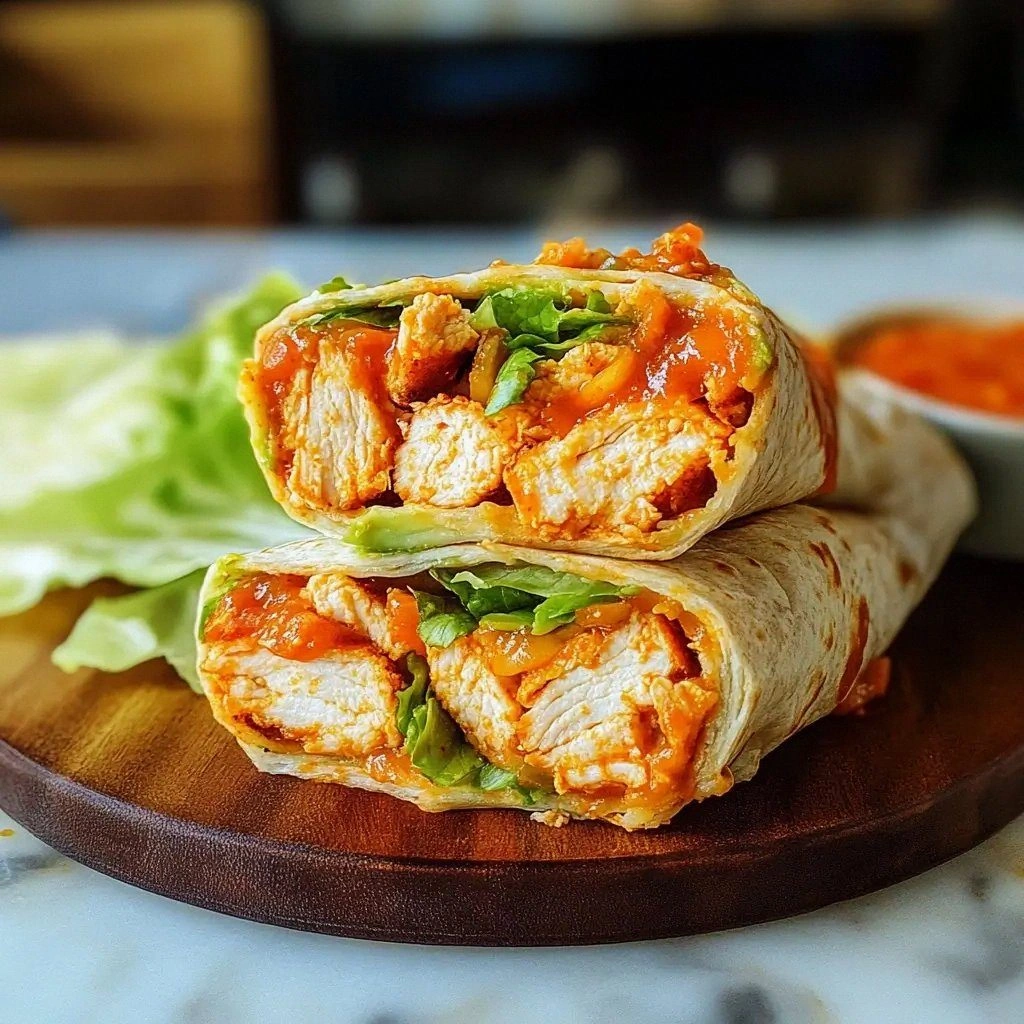
- Assemble each wrap: lay a tortilla flat, add a handful of shredded lettuce, a few cucumber slices, a generous portion of chicken, a drizzle of buffalo sauce, a sprinkle of cheddar, and a final splash of hot sauce. Fold the sides in, then roll tightly to secure the filling. The layering ensures each bite has the crunch, heat, and freshness you crave.
- Serve immediately, optionally with extra buffalo sauce on the side for dipping. The wrap should still be warm and the cheese slightly melted. If you’re hosting, offer a side of ranch dressing or blue cheese for extra flavor. The combination of textures and flavors will leave your guests raving.
That's it — you did it. But hold on, I've got a few more tricks that'll take this to another level…
Insider Tricks for Flawless Results
The Temperature Rule Nobody Follows
Many cooks assume higher heat is always better, but for this wrap, a steady medium heat is essential. A hotter pan can burn the coating before the chicken cooks through, leading to a dry interior. Keep the temperature steady, and let the chicken sear slowly. This technique ensures a juicy center and a crisp exterior.
Why Your Nose Knows Best
As you cook, your nose will alert you to the perfect moment to flip the chicken. The scent of toasted panko and butter is a clear indicator that the coating is crisping properly. Trust your senses; the aroma will guide you to the ideal cooking time. This sensory check is a quick, reliable way to avoid overcooking.
The 5‑Minute Rest That Changes Everything
After you remove the chicken from the pan, let it rest for five minutes. This short pause allows the juices to redistribute, ensuring each bite remains moist. The rest period also lets the coating set, preventing it from becoming soggy when you add the sauce. A rested chicken is the difference between a good wrap and a great one.
Freshness Is Key
The lettuce and cucumber should be crisp and fresh. If you’re using pre‑shredded lettuce, rinse it well and pat dry to avoid excess moisture. The moisture will otherwise steam the tortilla and make the wrap soggy. Fresh veggies keep the wrap light and bright.
Layering for Balance
Start with the lettuce, then the chicken, followed by the sauce, cheese, and finally the cucumber. This layering ensures that the sauce doesn’t soak into the tortilla before the other flavors mingle. It also prevents the cheese from melting too quickly and making the wrap slippery.
Reheat with Care
If you need to reheat a leftover wrap, do it in a skillet over low heat, covering the tortilla with a lid to trap steam. This method keeps the tortilla warm and the filling juicy, without drying out the cheese. Avoid microwaving, as it can cause the tortilla to become chewy.
Creative Twists and Variations
This recipe is a playground. Here are some of my favorite ways to switch things up:
Buffalo Chicken Quesadilla
Swap the tortilla for a flour tortilla, add a layer of shredded cheese, and grill the wrap until the cheese melts. The result is a crispy, melty version that’s perfect for a quick lunch. The heat of the sauce pairs wonderfully with the gooey cheese.
Spicy Chicken Lettuce Wraps
Use large lettuce leaves like romaine or butter lettuce as the wrapper, and add diced avocado for creaminess. This low‑carb version is ideal for a light, refreshing meal. The crunch from the lettuce replaces the tortilla’s bite.
Buffalo Chicken Pizza Roll
Wrap the chicken and sauce in a pre‑baked pizza dough, then bake until golden. The dough absorbs the sauce, creating a pizza‑in‑a‑wrap. It’s a fun twist that merges pizza and buffalo flavors.
Buffalo Chicken Salad
Toss the cooked chicken with mixed greens, blue cheese crumbles, and a drizzle of ranch. This salad version offers a lighter take on the wrap, perfect for a warm afternoon. The buffalo sauce adds a spicy kick that elevates the greens.
Buffalo Chicken Tacos
Use soft corn tortillas and add a sprinkle of cilantro, a squeeze of lime, and a dollop of sour cream. The tacos bring a Mexican flair to the classic buffalo flavor. The lime brightens the dish, balancing the heat.
Buffalo Chicken Stuffed Sweet Potatoes
Bake sweet potatoes until tender, then top with shredded chicken, sauce, and cheddar. The sweet potato base adds natural sweetness that contrasts the spicy sauce. This hearty option is perfect for a cozy dinner.
Storing and Bringing It Back to Life
Fridge Storage
Store the pre‑assembled wraps in an airtight container for up to 24 hours. Keep the sauce separate until you’re ready to serve, as it will otherwise make the tortilla soggy. The wraps remain fresh and the cheese stays melty if refrigerated properly.
Freezer Friendly
For longer storage, wrap each portion in foil and place them in a freezer bag. Freeze for up to two weeks. When ready to eat, thaw in the refrigerator overnight, then reheat in a skillet for a minute on each side. The coating will retain its crispness if reheated properly.
Best Reheating Method
The secret to reheating these wraps is gentle heat and moisture control. Warm them in a skillet over low heat, covering the tortilla with a lid for a minute. Add a splash of water to create steam, which keeps the cheese from drying out. This method restores the wrap’s original texture and flavor.