I was standing in my kitchen, staring at a half‑roasted tomato that had stubbornly stuck to the pan, when a friend yelled, “You’ve got to taste this before you finish the rest of the dish!” That moment turned into a culinary revelation: a single splash of balsamic, a dash of garlic, and the creamy embrace of hummus could elevate an ordinary snack into an unforgettable experience. The air smelled like caramelized onions and sweet vinegar, the sound of sizzling oil echoed against the countertop, and the sight of the tomatoes’ glossy skins made my eyes water with anticipation. I could almost taste the tangy bite, feel the velvety hummus spread across the toasted bread, and hear the crunch of the edges cracking like thin ice. If you’ve ever found yourself bored with the same old hummus toast, this recipe is the antidote you’ve been waiting for.
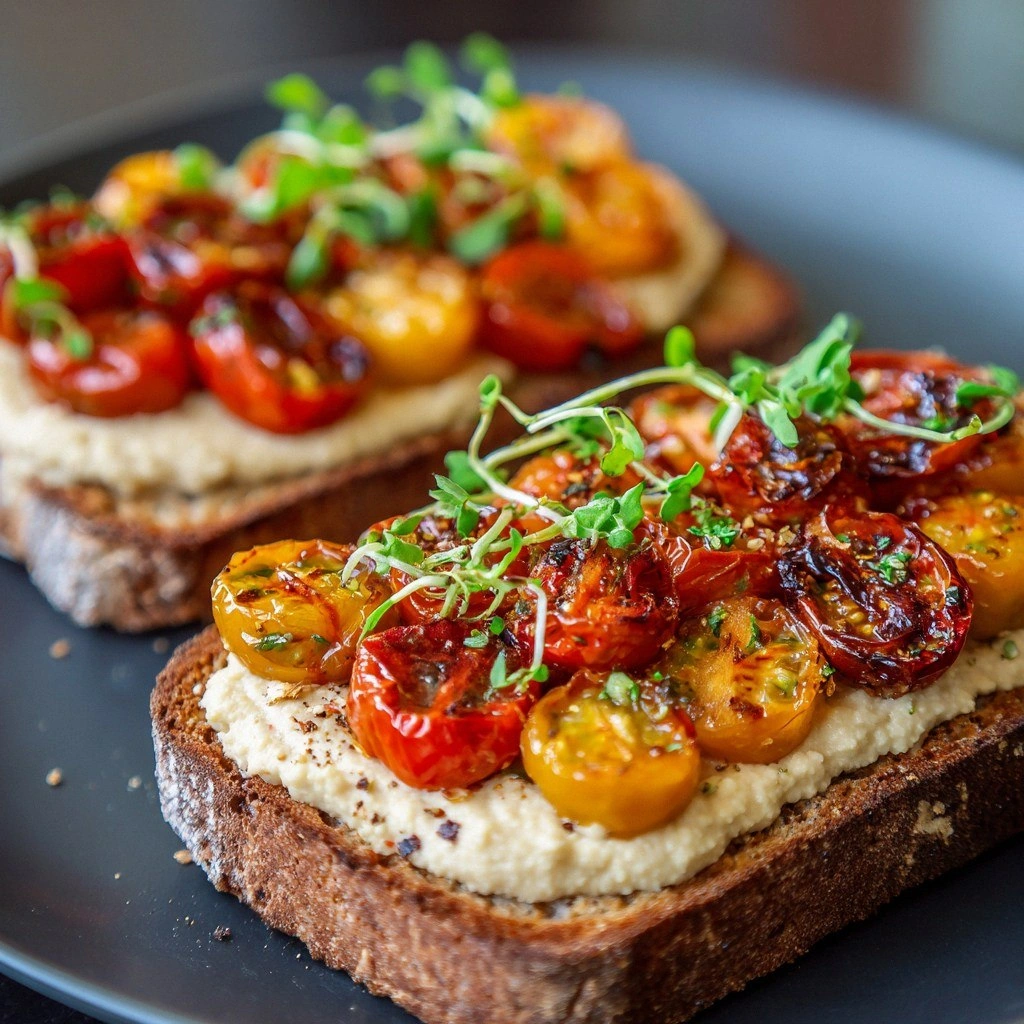
Picture yourself pulling this masterpiece from the oven, the whole kitchen smelling incredible, and the first bite delivering a burst of sweet, smoky, and savory flavors that dance on your palate. The tomatoes are blistered to perfection, their skins crackling like a crispy shell that holds a juicy, sweet center, while the hummus coats the bread like a silky velvet that melts in your mouth. The balsamic glaze coats everything in a glossy, caramel‑like sheen, and the fresh basil adds a bright, herbal note that lifts the entire dish. I dare you to taste this and not go back for seconds, because once you experience the harmony of these flavors, you’ll never settle for bland hummus again. This is hands down the best version of roasted tomato hummus you’ll ever make at home, and I’m about to walk you through every single step—by the end, you’ll wonder how you ever made it any other way.
Most recipes get this completely wrong by over‑roasting the tomatoes until they’re charred and bitter, or by using a bland, store‑bought hummus that lacks depth. Instead, I’ve paired a simple, high‑quality hummus with fresh, seasonal tomatoes that are roasted just enough to bring out their natural sweetness without compromising their texture. The secret lies in the balanced acidity of the balsamic, the aromatic heat of garlic, and the subtle crunch of toasted bread that provides a satisfying contrast to the creamy filling. I’ll also share a trick that ensures every bite has the same depth of flavor, even if you’re not a seasoned chef. If you’ve ever struggled with roasting tomatoes or making hummus from scratch, you’re not alone—and I’ve got the fix.
I’m not just telling you the recipe; I’m inviting you to become a part of a little kitchen revolution. The combination of sweet, tangy, and savory in this dish is a bold claim that will leave your taste buds shouting for more. And trust me, this next part is pure magic—stay with me here, because the way we finish the hummus will blow your mind. And now the fun part: let’s dive into the ingredients that make this dish sing.
What Makes This Version Stand Out
- Flavor: The balanced sweetness of roasted tomatoes paired with the sharp bite of balsamic vinegar creates a flavor profile that is both comforting and exciting.
- Texture: Crispy edges of toasted bread contrast with the smooth, velvety hummus, delivering a satisfying bite that keeps you coming back.
- Ingredient Quality: Using fresh, locally sourced tomatoes and a premium hummus elevates the dish beyond the average take‑out experience.
- Simplicity: With just a handful of ingredients and minimal prep time, you can achieve restaurant‑grade flavor in under an hour.
- Make‑Ahead Potential: The roasted tomatoes and hummus can be prepared a day ahead, allowing the flavors to meld and making it a stress‑free dinner for busy weeknights.
- Versatility: Serve it as an appetizer, a light lunch, or a side dish that pairs beautifully with grilled proteins or a fresh salad.
- Visual Appeal: The glossy glaze and vibrant basil garnish make it Instagram‑ready, so you can share the brag‑worthy dish with friends.
- Audience Impact: Whether you’re a seasoned foodie or a novice, the bold flavors and comforting textures make this dish universally appealing.
Alright, let's break down exactly what goes into this masterpiece...
Inside the Ingredient List
The Flavor Base
Fresh tomatoes are the star of this dish; choose vine‑grown or heirloom varieties for their natural sweetness and firm texture. The roasting process concentrates their flavors, turning them into little pockets of caramelized juiciness that cling to the hummus. If you’re short on time, substitute with pre‑roasted cherry tomatoes, but be sure to drain excess moisture to avoid sogginess. When selecting tomatoes, look for skins that are glossy, unblemished, and firm to the touch—those are the ones that hold up best under heat.
Balsamic vinegar is the secret sauce that brings depth and a subtle tang to the dish. A good quality, aged balsamic will give you a complex, syrupy glaze that coats the tomatoes without overpowering them. If you prefer a milder flavor, use a reduced‑sugar balsamic, but keep in mind that it will be less sweet. A splash of balsamic also adds a beautiful glossy sheen that makes the dish look as good as it tastes.
Olive oil is the medium that carries the flavors and helps the tomatoes caramelize. Use a light, fruity olive oil for a clean finish, or a robust extra‑virgin olive oil if you want a punchier taste. The oil also helps the hummus spread smoothly across the toasted bread. A drizzle of oil before roasting also prevents the tomatoes from sticking to the pan.
The Texture Crew
Toasted bread—ciabatta, baguette, or whole‑grain pita—provides the crunchy foundation. The crust should be golden and crisp, offering a satisfying bite that balances the creamy hummus. Toast the bread slices in a skillet or oven until they’re just turning golden; this step is crucial for preventing sogginess when the hummus is applied. If you’re using pita, cut it into wedges and lightly toast them for a similar effect.
Hummus is the creamy medium that ties everything together. A homemade hummus made from chickpeas, tahini, lemon juice, and garlic offers a depth of flavor that store‑bought versions can’t match. If you’re short on time, a high‑quality jarred hummus works too, but be sure to whisk it to loosen the texture. The hummus should be thick enough to hold its shape on the bread yet creamy enough to spread easily.
The Unexpected Star
Fresh basil adds a bright, herbal note that cuts through the richness of the hummus and the sweetness of the tomatoes. Chop the basil finely so that it distributes evenly across the toast. If basil isn’t in season, a handful of chopped parsley or cilantro can offer a similar freshness, though the flavor profile will shift slightly.
Crumbled feta or goat cheese introduces a salty, tangy element that contrasts with the sweet balsamic glaze. The cheese should be crumbled finely so that it melts slightly into the hummus, creating pockets of savory richness. For a vegan version, sprinkle nutritional yeast or a vegan cheese alternative on top.
The Final Flourish
A drizzle of extra olive oil or a dusting of crushed red pepper adds a subtle finishing touch that enhances the overall flavor profile. A pinch of sea salt and freshly ground black pepper balances the dish, ensuring that every bite is perfectly seasoned. A final sprinkle of chopped nuts—such as walnuts or pine nuts—adds crunch and a nutty undertone that elevates the texture.
Everything's prepped? Good. Let's get into the real action...
The Method — Step by Step
- Preheat your oven to 425°F (220°C). Arrange the whole tomatoes on a sheet pan, cut side down, and drizzle them with olive oil, balsamic vinegar, salt, and pepper. The oil prevents sticking, and the balsamic starts to caramelize as the tomatoes roast. Roast for 25 minutes, or until the skins blister and the flesh is tender.
- While the tomatoes are still hot, use a spoon to scoop out the flesh, leaving the skins behind. Place the roasted tomato flesh in a bowl and mash it with a fork, then stir in the minced garlic and a splash of balsamic glaze. The garlic adds depth, and the glaze coats the tomatoes with a glossy finish.
- In a separate bowl, combine the hummus with the mashed roasted tomatoes. Stir until the mixture is smooth and the colors blend beautifully. The hummus should be thick enough to spread but still creamy enough to hold the tomato flavors.
- Spread the tomato‑hummus mixture evenly over each toasted bread slice. The mixture should form a thick, even layer that covers the entire surface. This ensures every bite has the same flavor intensity.
- Sprinkle crumbled feta or goat cheese over the top, allowing it to melt slightly into the hummus. The cheese adds a salty, tangy contrast that balances the sweet glaze.
- Add a handful of chopped fresh basil, a drizzle of extra olive oil, and a pinch of crushed red pepper for a final burst of freshness and heat. These finishing touches elevate the dish from simple to unforgettable.
- Serve immediately while the toast is still warm and the hummus is creamy. If you’re prepping ahead, cover the assembled toast with plastic wrap and refrigerate until ready to serve; reheat briefly in a warm oven to revive the crunch.
That’s it — you did it. But hold on, I've got a few more tricks that'll take this to another level...
Insider Tricks for Flawless Results
The Temperature Rule Nobody Follows
Many people roast tomatoes at a lower temperature, which can lead to uneven caramelization. I always set my oven to 425°F (220°C) because it ensures that the skins blister quickly while the flesh stays juicy. The higher heat also reduces the overall roasting time, preserving the fresh flavor. If your oven runs hot, keep an eye on the tomatoes to avoid burning.
Why Your Nose Knows Best
When the tomatoes are roasting, trust your nose to tell you when they’re done. A sweet, caramelized aroma indicates that the sugars have started to bloom. If you smell a faint burnt scent, the tomatoes are overcooked. This olfactory cue is more reliable than a timer for achieving the perfect balance of sweet and savory.
The 5‑Minute Rest That Changes Everything
After roasting, let the tomatoes rest for five minutes before scooping them out. This brief pause allows the juices to redistribute, making the mash smoother and less watery. A rushed mash can make the hummus soggy, ruining the crunch of the toast. I’ve found that a short rest also intensifies the flavor, giving the dish that wow factor.
Use Fresh Garlic, Not Powder
Fresh garlic offers a bright, punchy flavor that complements the sweetness of the tomatoes. Garlic powder can taste flat and metallic, especially when combined with balsamic. Mince the garlic finely to release its essential oils, and let it mingle with the roasted tomatoes for a few minutes before mashing.
Choose the Right Bread
The bread’s crust-to-soft ratio is critical for texture. A denser, whole‑grain bread absorbs less oil, keeping the toast crisp. If you prefer a lighter bite, a baguette works well because its airy interior won’t soak up the hummus. Experiment with different breads to find your personal favorite.
Add a Touch of Sweetness
If you’re a fan of sweet‑savory combos, drizzle a small amount of honey over the finished toast. The honey caramelizes slightly when baked, adding a glossy finish and a subtle caramel note. Just a teaspoon or less—too much honey can overpower the delicate balance of flavors.
Creative Twists and Variations
This recipe is a playground. Here are some of my favorite ways to switch things up:
Mediterranean Medley
Swap the feta for crumbled goat cheese, add roasted red pepper strips, and sprinkle chopped olives on top. The olive oil’s briny undertone pairs beautifully with the goat cheese’s tang, creating a Mediterranean vibe that’s perfect for a summer gathering.
Spicy Southwest
Add a pinch of chipotle powder to the hummus for smoky heat, and top the toast with sliced avocado and a squeeze of lime. The creamy avocado balances the spice, while the lime adds a fresh citrus kick.
Herb Garden
Replace basil with a mix of fresh oregano, thyme, and rosemary. The earthy herbs add depth, and the aromatic bouquet transforms the dish into a fragrant garden delight.
Vegan Vibes
Use a plant‑based hummus and sprinkle nutritional yeast for a cheesy flavor. Add toasted sunflower seeds for crunch and a splash of tamari for umami. This version keeps the dish dairy‑free while still delivering on flavor.
Breakfast Boost
Serve the toast with a poached egg on top and a dash of hot sauce. The runny yolk adds richness, and the heat gives a breakfast‑style kick that’s surprisingly satisfying.
Dessert‑Inspired
Drizzle a thin layer of dark chocolate over the finished toast and sprinkle crushed pistachios. The bittersweet chocolate contrasts with the sweet tomato glaze, while the pistachios add a nutty crunch. This sweet‑savory combo is a daring twist that will wow adventurous diners.
Storing and Bringing It Back to Life
Fridge Storage
Store the roasted tomatoes and hummus mixture separately in airtight containers for up to 3 days. Keep the toasted bread in a paper bag to preserve crispness. When ready to serve, spread the hummus on the bread and reheat briefly in a warm oven for 3–5 minutes.
Freezer Friendly
Freeze the hummus‑tomato blend in a freezer‑safe container for up to 2 months. Thaw overnight in the fridge, then reheat on a skillet or in the oven. The texture remains smooth, and the flavors intensify during freezing.
Best Reheating Method
The ideal way to reheat is to place the assembled toast on a baking sheet and bake at 350°F (175°C) for 5–7 minutes, or until the bread is crisp and the hummus is warm. Add a tiny splash of water to the hummus before reheating to keep it from drying out. This method preserves the contrast between crunchy bread and creamy filling.