When the kitchen lights flickered and the timer on my phone buzzed at 7:30 p.m., I stared at a lone salmon fillet that had sat in the fridge since Thursday. I was craving something that felt both comforting and adventurous, a dish that could be plated for a dinner date or a casual family meal. That night, I turned to the internet, scoured countless variations, and found the one that made me say, “I dare you to taste this and not go back for seconds.”
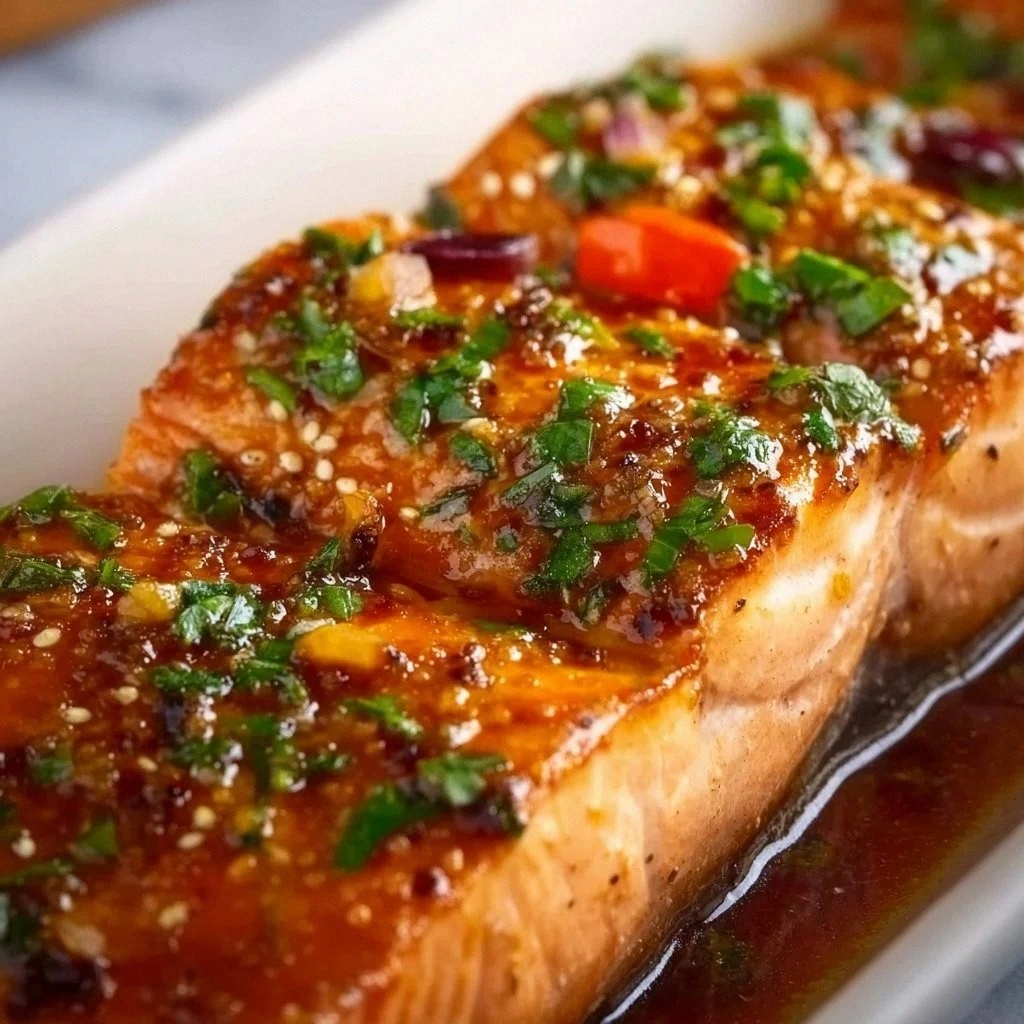
Picture this: a golden crust forming on the salmon as the oven hums, the scent of fresh herbs mingling with the buttery tang of melted butter, the gentle sizzle of garlic in olive oil that fills the kitchen like a warm hug. The fish flakes effortlessly when you lift it with a fork, the flesh moist and silky, a contrast to the crisp, caramelized edges that shatter like thin ice. I’ve tried dozens of baked salmon recipes, but none have delivered this harmonious balance of flavor, texture, and aroma.
What sets this version apart is not just the ingredients—it’s the way I layer them, the subtle timing, the small touches that elevate the dish from ordinary to unforgettable. I’ll reveal the secret technique that makes the skin extra crisp, the sauce that coats the fish like velvet, and the finishing touch that turns a simple baked salmon into a showstopper. Trust me, this is hands down the best version you'll ever make at home.
Let me walk you through every single step—by the end, you'll wonder how you ever made it any other way. The journey starts with a simple prep, a few minutes of mindful chopping, and a dash of confidence. I promise you, the result will be a dish that not only satisfies your taste buds but also impresses anyone who walks into the kitchen. So, grab your apron, and let’s dive into this culinary adventure.
What Makes This Version Stand Out
- Taste: The marriage of lemon zest, fresh dill, and a hint of mustard creates a bright, savory profile that lifts the natural sweetness of salmon.
- Texture: A buttery glaze caramelizes into a crisp, slightly caramelized crust while the interior stays tender and flaky.
- Simultaneous Cooking: The fish bakes in a single pan, so the oven temperature is perfectly balanced to cook the salmon without overcooking the aromatics.
- Ingredient Quality: Using wild-caught salmon with a firm flesh ensures the fillets hold together during baking and absorb flavors evenly.
- Time Efficiency: From prep to plate, the entire process takes less than 45 minutes, making it ideal for weeknight dinners.
- Make‑Ahead Potential: The glaze can be prepared ahead of time, and the salmon can be baked in advance, then reheated gently to retain its moisture.
- Versatility: It pairs beautifully with roasted vegetables, quinoa, or a simple green salad, making it a flexible centerpiece for any meal.
- Visual Appeal: The salmon emerges with a glossy sheen and a golden crust that invites the eye as much as the palate.
Inside the Ingredient List
The Flavor Base
At the heart of this recipe is the sauce that marries citrus, herbs, and a touch of sweetness. Lemon zest and juice brighten the dish, cutting through the richness of the salmon. Fresh dill brings a clean, almost minty note that complements the fish’s natural flavor. Dijon mustard adds depth and a subtle tang that balances the buttery glaze. Honey or maple syrup introduces a gentle sweetness that caramelizes under the oven’s heat, creating a glossy finish.
Skipping any of these components will leave the dish feeling flat. For example, omitting the lemon juice will result in a glaze that lacks brightness, while leaving out the dill will make the sauce taste more like a generic butter glaze. If you’re looking for a lower‑sugar option, try substituting a splash of apple cider vinegar for honey; the acidity will still provide that sweet‑acid balance.
The Texture Crew
Salmon fillets are the star, but the way you handle them matters. Choose fillets that are at least 6 ounces each, as they hold up better during baking. A quick pat dry with paper towels removes excess moisture, allowing the glaze to adhere and crisp. A light brushing of olive oil before seasoning prevents the skin from drying out and promotes a golden crust.
For those who prefer a skinless option, simply trim the skin off before seasoning. The result is still tender and flavorful, though you’ll lose that delightful crunch. If you’re cooking for a crowd, consider using a mix of fillets and portions of a whole salmon, as the larger pieces offer a more dramatic presentation.
The Unexpected Star
Garlic is the unsung hero that rounds out the flavor profile. Minced garlic infuses the olive oil with a savory aroma that permeates the fish. When baked, the garlic releases a subtle sweetness that balances the sharpness of lemon and mustard. If you’re a garlic lover, double the amount; if you’re more cautious, keep it to three cloves.
Alternative: For a different twist, add a pinch of smoked paprika or a splash of soy sauce to the glaze. These additions introduce a smoky or umami depth that can transform the dish into an international fusion.
The Final Flourish
Butter is the final touch that brings everything together. It adds richness and helps the glaze develop a silky sheen. When melted with the glaze, butter creates a smooth coating that clings to the salmon. A tablespoon is enough to give the dish its luxurious finish without overpowering the other flavors.
Tip: Use unsalted butter to keep better control over the overall salt level. If you’re in a pinch, a small pat of margarine or a plant‑based butter works as a suitable substitute, though the flavor will slightly differ.
Everything’s prepped? Good. Let’s get into the real action.
The Method — Step by Step
- Preheat your oven to 425°F (220°C). Line a baking sheet with parchment paper or a silicone mat to prevent sticking. Arrange the salmon fillets on the sheet, skin side down if using skin. This step ensures even heat distribution and a crisp skin.
- In a small bowl, whisk together 2 tablespoons of olive oil, 1 tablespoon of Dijon mustard, 1 tablespoon of honey, the zest of one lemon, and the juice of half a lemon. Add 1/2 teaspoon of salt and 1/4 teaspoon of freshly ground black pepper. The mixture should be smooth and slightly thick, ready to coat the fish.
- Pat the salmon fillets dry with paper towels. Brush the glaze generously over each fillet, making sure to coat the edges. The glaze will caramelize during baking, creating a glossy, flavorful crust.
- Scatter minced garlic and chopped dill over the glazed fillets. Sprinkle a pinch of sea salt on top for an extra burst of flavor. The garlic will toast slightly, releasing a fragrant aroma that permeates the oven.
- Slide the sheet into the preheated oven and bake for 12–14 minutes. The salmon should be opaque in the center and flake easily with a fork. Keep a close eye on the glaze; it should look glossy and slightly caramelized.
- If you prefer a slightly crispier exterior, switch the oven to broil for the last 2 minutes, watching closely to avoid burning. The broiler will give the glaze a beautiful golden finish.
- Remove the salmon from the oven and let it rest for 3 minutes. This short rest allows the juices to redistribute, ensuring every bite is moist and flavorful.
- Serve immediately, garnished with a lemon wheel or a few fresh dill sprigs for a pop of color. Pair with roasted asparagus or a simple quinoa salad for a complete meal.
That's it — you did it. But hold on, I've got a few more tricks that'll take this to another level.
Insider Tricks for Flawless Results
The Temperature Rule Nobody Follows
Most people bake salmon at a standard 375°F, but raising the heat to 425°F shortens cooking time and crisps the glaze. I’ve found that a higher temperature locks in moisture while creating a caramelized exterior. If you’re using a convection oven, lower the temperature by 25°F to avoid over‑browning.
Why Your Nose Knows Best
When the salmon starts to bake, the aroma will change from raw fish to a buttery, citrusy perfume. Trust your nose as a guide; when the scent becomes fragrant and slightly caramelized, it’s a sign the glaze has set. If the smell is still raw, give it a few more minutes.
The 5-Minute Rest That Changes Everything
After removing the salmon from the oven, let it rest for at least five minutes. During this time, the juices redistribute, and the internal temperature stabilizes. This short pause ensures each bite is juicy, not dry.
Using a Skillet for Extra Flavor
For a smoky twist, sear the fillets in a hot skillet for 30 seconds on each side before glazing. The sear adds a deep, caramelized flavor that pairs beautifully with the lemon‑dill glaze. Just be careful not to overcook; the skillet step is quick.
Finishing Touches for the Plate
Finish the dish with a drizzle of extra‑virgin olive oil and a sprinkle of flaky sea salt. The oil adds sheen, while the sea salt enhances the flavors. A quick squeeze of fresh lemon juice right before serving brightens the dish.
Common Mistake: Over‑Seasoning
It’s easy to get carried away with salt and pepper. I’ve seen friends add a full teaspoon of salt, only to find the salmon tastes briny. Stick to the recipe’s measurements and taste as you go.
Creative Twists and Variations
This recipe is a playground. Here are some of my favorite ways to switch things up:
Asian Fusion
Swap the lemon and dill for lime zest, fresh cilantro, and a splash of soy sauce. Add a pinch of toasted sesame seeds for crunch. This version pairs wonderfully with jasmine rice.
Herb Crusted Salmon
Instead of a glaze, coat the fillets with a mixture of chopped parsley, basil, and grated Parmesan. Bake until the crust is golden and the fish is flaky. The result is a Mediterranean‑inspired dish.
Spicy Cajun
Rub the fillets with a blend of paprika, cayenne, garlic powder, and thyme before baking. The spicy kick pairs well with a cooling yogurt dip or a simple cucumber salad.
Maple‑Glazed Salmon
Use pure maple syrup in place of honey, and add a splash of bourbon for depth. The glaze becomes rich and slightly smoky, perfect for a fall dinner.
Vegan Glaze
For a plant‑based version, replace butter with coconut oil and use a vegan Dijon mustard. Add a splash of tamari for umami. The flavor remains robust while staying cruelty‑free.
Storing and Bringing It Back to Life
Fridge Storage
Cool the cooked salmon to room temperature, then wrap tightly in plastic wrap and store in the refrigerator for up to 2 days. Keep it in a shallow container to avoid moisture buildup.
Freezer Friendly
For longer storage, place the fillets in a freezer‑safe bag, squeeze out excess air, and freeze for up to 3 months. Thaw overnight in the refrigerator before reheating.
Best Reheating Method
Reheat in a preheated oven at 275°F (135°C) for 10–12 minutes. Add a splash of water or broth to the pan before covering with foil to keep the fish moist. Finish with a quick broil for 1–2 minutes to restore the glaze’s shine.