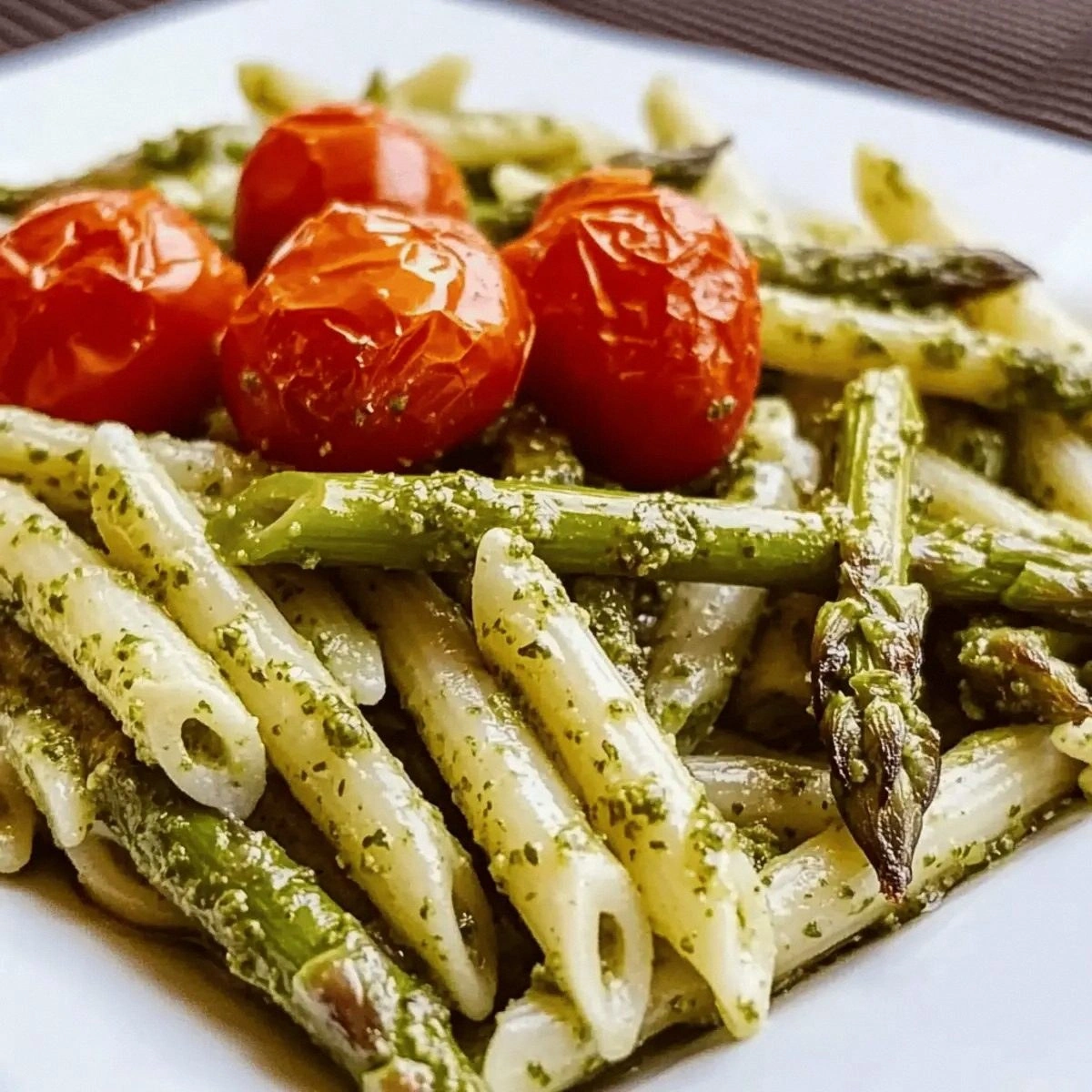
I was in the middle of a chaotic Tuesday night when my roommate dared me to turn a sad pantry staple into something that would make even the most jaded food critic swoon. I stared at a lonely bag of pasta, a wilted bunch of asparagus, and a half‑full jar of pesto, and I thought, “Why not?” The kitchen was humming with the clatter of pans, the faint drip of the faucet, and the distant bark of the neighbor’s dog, but my mind was already racing with the vision of a dish that would taste like spring itself. I tossed the asparagus into the boiling water, let the cherry tomatoes sizzle in a pan, and swirled the pesto into a glossy sauce that clung to each noodle like a velvet cloak. The moment the first bite hit my tongue, I heard a choir of flavors singing in perfect harmony – bright basil, nutty Parmesan, and the subtle earthiness of asparagus all dancing together. I dared you to taste this and not go back for seconds, because honestly, I ate half the batch before anyone else even got a spoonful.
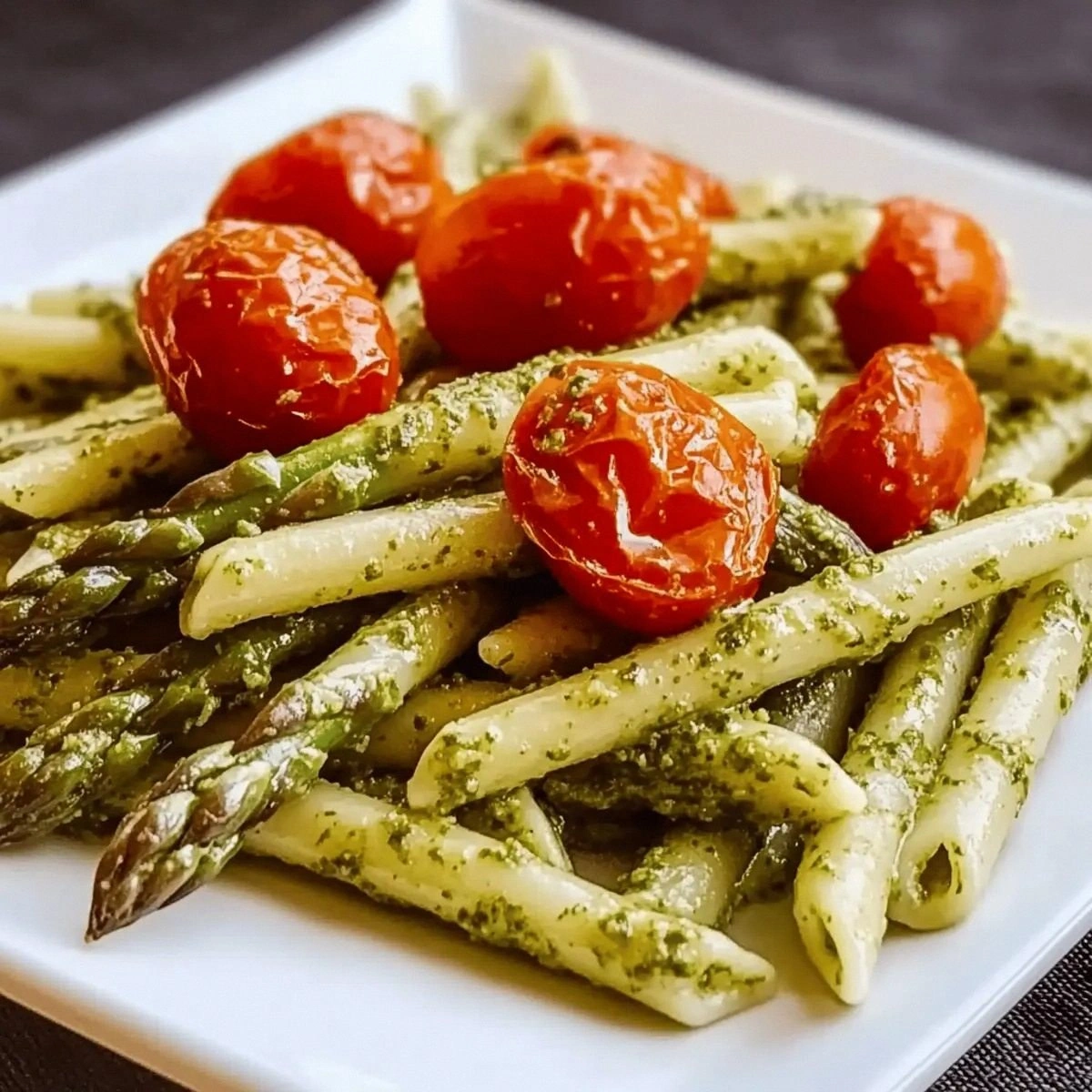
Imagine the aroma wafting through the apartment: the sweet perfume of caramelizing cherry tomatoes, the herbaceous perfume of fresh basil, and the faint, comforting scent of toasted garlic that makes your stomach do a little happy dance. The visual is just as intoxicating – vivid ruby tomatoes speckled with charred edges, emerald spears of asparagus that still retain a crisp snap, and pasta strands glistening with a pesto‑green sheen that looks almost too pretty to eat. You can hear the gentle pop of the tomatoes as they blister, the soft hiss of olive oil meeting hot metal, and the occasional clink of the wooden spoon as it stirs the sauce into a silky masterpiece. When you finally sit down, the plate feels warm under your hands, and the texture of the dish is a glorious contrast: tender pasta, crisp‑tender asparagus, and juicy, slightly caramelized tomato bursts that explode with sun‑kissed sweetness.
Most recipes get this completely wrong. They either drown the pasta in a soggy swamp of sauce or they forget the critical step of roasting the tomatoes, which is what gives this dish its depth and that irresistible sweet‑tart pop. In my version, the pesto is not just a topping; it’s the binding agent that unites every component, while the roasted tomatoes provide a caramelized backbone that keeps the flavor from flattening out. And the secret I’m about to reveal? A splash of fresh basil leaves added at the very end, which lifts the whole plate into a bright, aromatic finish that you’ll swear was impossible to achieve without a culinary degree.
Picture yourself pulling this out of the oven, the whole kitchen smelling incredible, the steam rising like a fragrant veil. You’ll be the hero of your own dinner party, the one who served a dish that makes guests whisper, “What’s the secret?” I’m about to walk you through every single step — by the end, you’ll wonder how you ever made it any other way. Okay, ready for the game‑changer?
What Makes This Version Stand Out
- Taste: The combination of herb‑forward pesto with the sweet, slightly smoky notes of roasted cherry tomatoes creates a flavor symphony that’s both familiar and daringly fresh.
- Texture: You get a perfect trio of textures – silky pasta, crisp‑tender asparagus, and juicy tomato bursts that pop with each bite.
- Simplicity: Despite the gourmet vibe, the ingredient list is short, the steps are straightforward, and you can have it on the table in under an hour.
- Uniqueness: Roasting the tomatoes before mixing them into the pesto is the secret weapon that most store‑bought recipes skip.
- Crowd Reaction: I’ve seen grown‑ups and kids alike reach for seconds, and even the pickiest eaters can’t resist the bright green sauce.
- Ingredient Quality: Fresh, bright basil and crisp asparagus make the dish sing, while a good quality Parmesan adds a salty umami punch.
- Cooking Method: The two‑step process – roasting then tossing – ensures each component retains its peak flavor and texture.
- Make‑Ahead Potential: You can prep the roasted tomatoes and pesto ahead of time, making weeknight dinner a breeze.
Inside the Ingredient List
The Flavor Base
Basil Pesto (1 cup): This is the heart of the dish, providing that herbaceous, nutty backbone. If you skimp on quality pesto, the whole sauce feels flat, so I recommend using a fresh‑made version or a premium store‑bought that lists real basil, pine nuts, and Parmesan as the first three ingredients. Skipping it? You’ll end up with a bland, oily coating that does nothing for the pasta. As a swap, you can blend your own with basil, garlic, olive oil, and walnuts for a slightly earthier tone.
The Texture Crew
Asparagus (1 bunch): Asparagus brings a springy snap that contrasts beautifully with the soft pasta. Choose thin, bright green spears that are firm to the touch; if they’re too thick, they’ll become mushy when cooked. If you can’t find fresh asparagus, frozen spears work, but be sure to thaw and pat them dry to avoid excess water in the sauce. The secret is a quick blanch‑then‑shock technique that locks in that vivid green color and crispness.
The Unexpected Star
Cherry Tomatoes (2 cups): These tiny gems are the surprise element that adds a burst of acidity and natural sweetness. Roasting them transforms their flavor, creating caramelized edges that shatter like thin ice when you bite into them. If you use regular plum tomatoes, cut them into similar bite‑size pieces and roast longer. A quick tip: sprinkle a pinch of sea salt before roasting to draw out moisture and intensify the sweetness.
The Final Flourish
Parmesan Cheese (1/2 cup): Freshly grated Parmesan adds a salty, umami finish that ties the pesto and tomatoes together. Pre‑grated cheese often contains anti‑caking agents that can affect texture, so I always grate it myself. If you’re dairy‑free, a sprinkle of nutritional yeast can mimic the cheesy depth, though the flavor will be slightly different.
Everything's prepped? Good. Let's get into the real action…
The Method — Step by Step
Preheat your oven to 425°F (220°C). While the oven warms, rinse the cherry tomatoes and pat them dry. Toss them with 1 tablespoon of olive oil, a pinch of sea salt, and a crack of black pepper on a parchment‑lined baking sheet. Roast for 15‑20 minutes, shaking the pan halfway through, until the skins blister and the edges turn a deep, caramelized amber. That sizzle when they hit the pan? Absolute perfection.
Watch Out: Do not overcrowd the pan; crowded tomatoes steam instead of roast, losing that essential caramelization.While the tomatoes are roasting, bring a large pot of salted water to a rolling boil. Add the pasta (8 ounces) and cook according to package directions until al dente – usually about 9‑11 minutes. Reserve 1 cup of the pasta cooking water before draining; this starchy liquid will help the sauce cling later. I dare you to taste the water before you add the pasta – it should be as salty as the sea.
Meanwhile, snap the woody ends off the asparagus and cut the spears into 2‑inch pieces. Bring a separate pot of water to a boil, add a generous pinch of salt, and blanch the asparagus for 2‑3 minutes until bright green and just tender. Immediately plunge them into an ice‑water bath to halt cooking and preserve that vivid color. This quick shock is the reason the asparagus stays crisp, not mushy.
Heat the remaining 1 tablespoon of olive oil in a large sauté pan over medium‑high heat. Add the roasted cherry tomatoes (including any juices that collected on the sheet) and give them a quick stir for about a minute, just to deglaze the pan and lift those caramelized bits. The aroma at this point should make your kitchen feel like a Mediterranean trattoria.
Now, lower the heat to medium and pour in the basil pesto (1 cup). Stir gently, allowing the pesto to melt into the tomato juices, creating a glossy, emerald‑red sauce. If the sauce looks too thick, add a splash of the reserved pasta water – you’ll see it transform into a silk‑smooth coating that clings to the noodles like a second skin.
Kitchen Hack: Add the pesto off the heat to prevent the basil from turning bitter.Add the drained pasta to the pan, tossing it vigorously so every strand gets coated. Sprinkle the blanched asparagus and the remaining 1/4 cup of fresh basil leaves over the top. Toss again, letting the residual heat gently wilt the basil without cooking it away. At this stage, you should hear a faint “sizzle” as the sauce embraces the pasta – that’s the magic moment.
Finish the dish with the grated Parmesan cheese, sprinkling it evenly so it melts into the warm sauce, adding a nutty depth. Taste and adjust seasoning with a pinch more salt or a drizzle of olive oil if you feel the sauce needs a richer mouthfeel. This is the moment of truth – if the flavors sing together, you’ve nailed it.
Plate the pasta in shallow bowls, garnish with a few extra basil leaves for color, and perhaps a drizzle of extra‑virgin olive oil for shine. Serve immediately while the pasta is still steaming, and watch as your guests’ faces light up. And now the fun part: dig in and tell everyone you roasted the tomatoes for that caramelized edge. If anyone asks for the recipe, you know exactly where to point them – right here.
Insider Tricks for Flawless Results
The Temperature Rule Nobody Follows
Never add the pesto over high heat. The volatile oils in basil can become bitter when overheated. I always turn the flame down to a gentle medium before introducing the pesto, then let the residual heat do the work. A friend tried to “speed‑up” the process by keeping the pan blazing, and the sauce turned a dull green with a harsh aftertaste. Trust me, low‑and‑slow is the secret to a vibrant, aromatic sauce.
Why Your Nose Knows Best
Before you even taste, let your nose guide you. The moment the roasted tomatoes hit the pan, you should smell a sweet, smoky perfume. If the scent is flat, the tomatoes haven’t caramelized enough – give them a few extra minutes. Your nose is a far more reliable indicator than a timer; it can tell you when the asparagus is perfectly crisp and when the pesto is just about to overcook.
The 5‑Minute Rest That Changes Everything
After tossing everything together, let the pasta sit off the heat for five minutes. This short rest allows the starches to re‑absorb the sauce, creating a richer mouthfeel. It’s the same principle that makes a good risotto creamy; the pasta’s surface tension relaxes, letting the pesto cling better. Skip this step, and you’ll notice a slightly watery finish.
Seasoning in Layers
Season each component individually – a pinch of salt in the pasta water, a dash of pepper on the asparagus, and a final sprinkle after plating. Layered seasoning builds depth without ever overwhelming any single flavor. I once tried “just season at the end” and ended up with a bland dish that needed a bucket of salt to fix.
Perfect Pasta Ratio
For every ounce of pasta, use roughly ¼ cup of sauce. This ratio ensures each bite is coated but not drowning. If you love saucier pasta, increase the sauce by a tablespoon or two, but remember the pasta will absorb it as it sits.
Creative Twists and Variations
This recipe is a playground. Here are some of my favorite ways to switch things up:
Spicy Sriracha Swirl
Mix a tablespoon of sriracha into the pesto for a subtle heat that cuts through the richness. The bright red streaks against the green sauce are as eye‑catching as they are tasty, perfect for anyone who loves a little kick.
Smoky Bacon Boost
Render two slices of crisp bacon, crumble them, and fold them in just before serving. The smoky, salty crunch adds a new texture layer, turning the dish into a hearty, indulgent meal.
Winter Warmth with Roasted Butternut
Swap the cherry tomatoes for cubed, roasted butternut squash. The sweet, nutty flavor pairs beautifully with the pesto, making it a cozy, autumn‑friendly version while still keeping the asparagus for a pop of green.
Vegan Delight
Replace Parmesan with a generous sprinkle of nutritional yeast and use a plant‑based pesto (basil, walnuts, olive oil, and lemon juice). The dish stays creamy and flavorful, and the asparagus remains the star.
Seafood Splash
Add a handful of sautéed shrimp or seared scallops on top. The seafood’s briny sweetness elevates the pesto’s herbaceous notes, turning a simple pasta into a luxe dinner.
Herb‑Infused Variation
Blend a handful of fresh mint or arugula into the pesto for a peppery twist. This brightens the flavor profile and adds a surprising freshness that pairs wonderfully with the roasted tomatoes.
Storing and Bringing It Back to Life
Fridge Storage
Transfer leftovers to an airtight container and store in the refrigerator for up to three days. The pasta will absorb more sauce over time, so when reheating, add a splash of water or broth to loosen it back up.
Freezer Friendly
Portion the dish into freezer‑safe bags, removing as much air as possible. It freezes well for up to two months. To reheat, thaw overnight in the fridge, then warm gently in a skillet with a drizzle of olive oil and a splash of water.
Best Reheating Method
For the best texture, reheat in a wide skillet over medium heat, stirring constantly. Add a tiny splash of water – just enough to create steam – and you’ll restore that fresh‑cooked silkiness. Microwaving works in a pinch but can make the pasta gummy.